
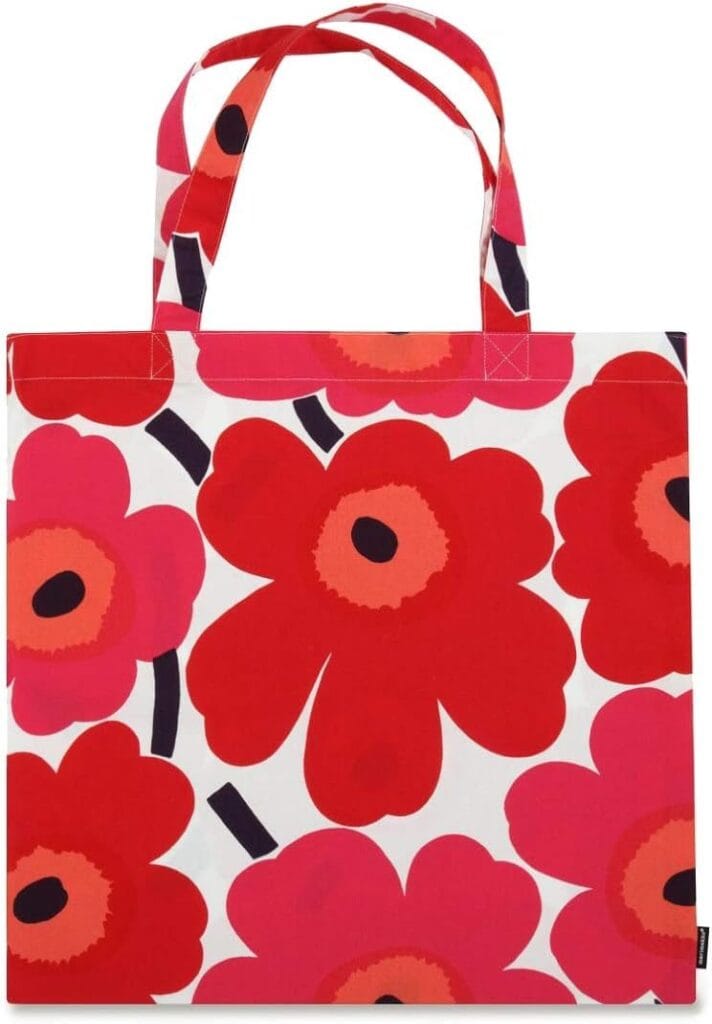
Marimekko patterns are the bold printed textiles of Marimekko, the Finnish company Armi and Viljo Ratia founded in Helsinki in 1951. Two designers set their look. Vuokko Nurmesniemi gave the brand its graphic stripes with the Jokapoika shirt (1956), and Maija Isola drew more than 500 patterns, among them the Unikko poppy (1964). Unikko has been in production ever since, and the fabrics are still printed at Marimekko’s own textile factory in Helsinki.
The Heritage of Marimekko
Marimekko‘s journey, spanning over seven decades, is a story of innovation and color. From its inception in post-war Finland, the brand has stood as a symbol of creativity and resilience. The diversity of its patterns and the vibrancy of its colors have captivated generations, forming a rich tapestry of design history.
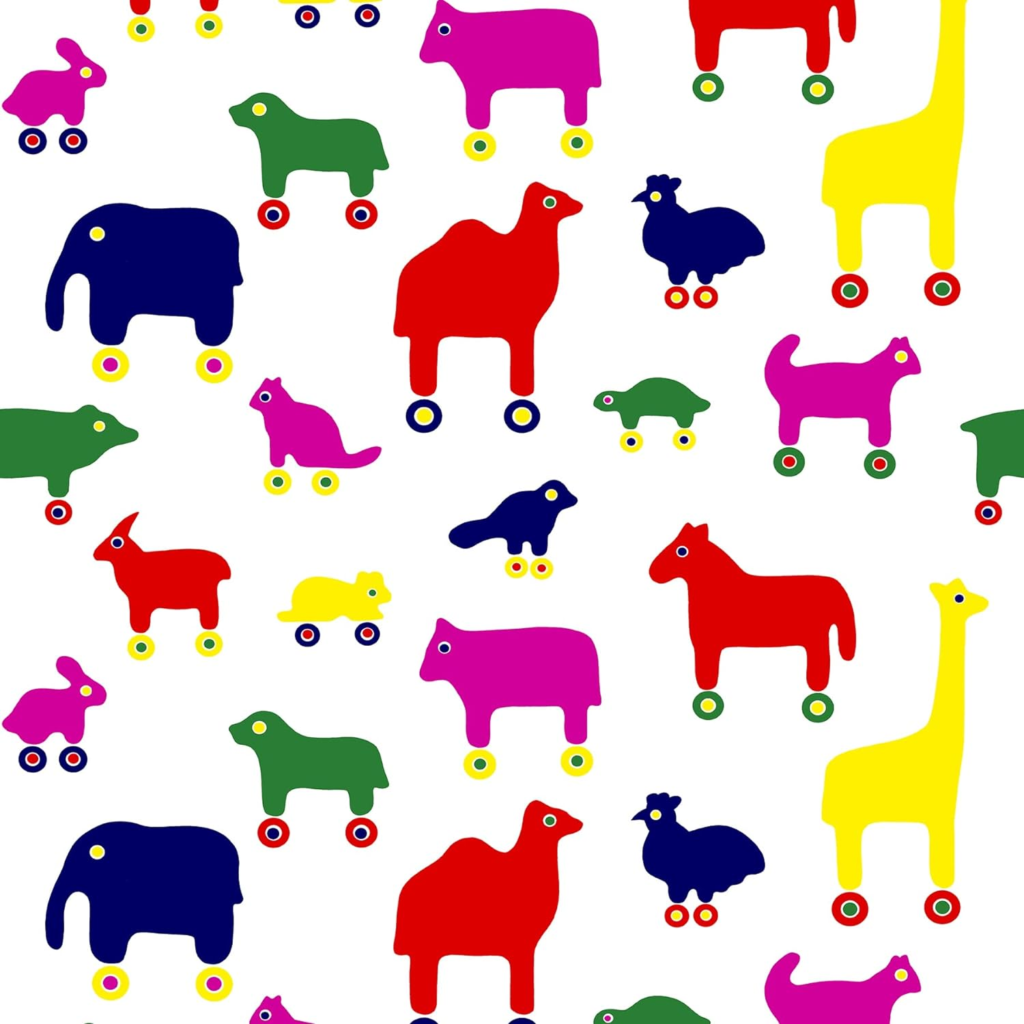
Our unique identity has developed throughout the years, treading the boundaries between art, design, fashion, and architecture
Tiina Alahuta-Kasko, President and CEO, Marimekko Corporation
Timeless Appeal Across Generations: Marimekko Design Inspiration
Marimekko’s designs have a unique ability to resonate across age groups. The brand’s patterns have adorned homes and wardrobes from grandparents to their grandchildren, becoming a cherished part of family legacies. This cross-generational appeal is a testament to the timeless nature of Marimekko’s designs.
The Art of Marimekko’s Patterns
Each Marimekko design tells a story, often rooted in nature, abstract art, and the rich cultural heritage of Finland. The brand’s distinctive approach to pattern-making combines boldness with simplicity, creating designs that are both striking and approachable.
How Marimekko Began: Armi Ratia and Printex
Marimekko started as a way to sell fabric. Viljo Ratia’s oilcloth factory, Printex, had failed and been converted to garment work, and in 1951 Armi Ratia asked artist friends to put their graphic designs on cotton. To show customers what the prints could do, the company sewed them into simple dresses. The name followed from that: Mari, from Armi’s middle name Maria, and mekko, the Finnish word for dress. For where this sits in the wider Nordic story, see our history of Scandinavian design.
Vuokko Nurmesniemi and the Stripe
Vuokko Nurmesniemi joined Marimekko in 1953, trained in ceramics rather than textiles. Her red and white striped Jokapoika shirt of 1956 became one of the company’s signature pieces, and through the 1950s she and Maija Isola drew most of Marimekko’s patterns between them. She left in 1960 after clashing with Armi Ratia and founded her own company, Vuokko Oy, in 1964.
Maija Isola and Unikko
Armi Ratia spotted Maija Isola’s student work, including her Amfora print, in 1949 and hired her for Printex. Isola became Marimekko’s principal textile designer, turning out eight to ten patterns a year. Her Luonto (Nature) series of 1957 to 1963 was built from pressed plants, and her Ornamentti series, begun in 1958, drew on Slavic folk art.
Unikko came out of an argument. Ratia disliked floral prints, and in 1964 Isola painted a poppy anyway, in pink, red and black on white. It became the pattern most people picture when they hear the name Marimekko. Isola kept going: Albatrossi, Meduusa and Osteri in her sun-and-sea designs of 1965 to 1967, Lovelovelove in 1968, and the marigold-based Primavera in 1974. Her daughter Kristina Isola later designed for the company too.
The Marimekko Logo
The Marimekko logo has been in use since 1954. Armi Ratia wanted something simple that would not date, and graphic designer Helge Mether-Borgström built the wordmark from modified Olivetti typewriter letters.
What Marimekko Still Prints
Many of the early designs, Unikko first among them, never left production. Isola’s prints are still sold under the Marimekko name, and the fabrics are printed at the company’s textile factory in Helsinki, while finished products are made in several countries, including China, India, Thailand, Portugal and Lithuania. For the pieces worth owning now, see our guide to the best Marimekko home products.
Marimekko’s Distinctive Design Philosophy
At the core of Marimekko’s philosophy is a commitment to bring joy and beauty into everyday life. This philosophy is reflected in every pattern they create, aiming to inspire and uplift through the power of design.
Marimekko has always been about bringing energy and joy to people’s everyday lives through bold prints and colors.
Tiina Alahuta-Kasko, President and CEO, Marimekko Corporation
Marimekko in the Global Fashion and Design Scene
Marimekko’s impact extends far beyond Finland’s borders. The brand has become an influential player in global design and fashion, known for its bold prints and commitment to sustainability and innovation.
Expanding Marimekko’s Global Footprint
With a focus on expanding its presence worldwide, particularly in the Asia-Pacific region, Marimekko is embracing digitalization and customer-centric strategies to connect with a broader audience.
Sustainability and Innovation at Marimekko
Sustainability is not just a buzzword for Marimekko; it’s a core value. The brand’s sustainable design approach involves using eco-friendly materials and processes, ensuring that its products are beautiful and kind to the planet.
Marimekko’s Sustainable Design Approach
Marimekko’s sustainable practices are integrated at every stage of the design and production process, reflecting a deep commitment to environmental stewardship and ethical manufacturing.
Customer Experiences and Stories
Marimekko’s designs have touched the lives of many, creating personal and emotional connections. Customers often share stories of their first Marimekko dress or the family tradition of gifting Marimekko designs, highlighting the brand’s impact on individual lives.
Marimekko Design Inspiration
The emotional resonance of Marimekko’s designs is a significant part of its appeal. The brand’s ability to evoke joy and nostalgia has fostered a loyal customer base that spans the globe.
Conclusion
As Marimekko continues to weave its colorful threads into the fabric of the design world, its commitment to joy, sustainability, and innovation remains unwavering. Join us in celebrating Marimekko – a brand that brings patterns to life and life to patterns.
For the broader context of this work, see the Design Brands & Ateliers hub — a guide to the brands and studios driving contemporary design. For guidance on how to introduce Marimekko into a home interior, see how to use Marimekko in your home.
Frequently Asked Questions
What are Marimekko’s most famous prints?
Unikko, Maija Isola’s poppy of 1964, is the most famous by a wide margin. Close behind are Vuokko Nurmesniemi’s Jokapoika stripes (1956) and Isola’s Primavera (1974), Lovelovelove (1968) and her sun-and-sea prints Albatrossi and Meduusa from the mid-1960s.
Who designed the Unikko pattern?
Maija Isola designed Unikko in 1964. She painted it against the wishes of founder Armi Ratia, who disliked floral prints, and it has been in production since.
Is Marimekko Finnish or Japanese?
Marimekko is Finnish. Armi and Viljo Ratia founded it in Helsinki in 1951, and the name is Finnish as well: Mari, from Armi Ratia’s middle name Maria, plus mekko, the Finnish word for dress. Its fabrics are printed in Helsinki, though finished goods are made in several countries.
Who designed the Marimekko logo?
Graphic designer Helge Mether-Borgström designed the Marimekko logo, in use since 1954. He based the wordmark on modified Olivetti typewriter letters because Armi Ratia wanted a logo that was simple and timeless.
Is Marimekko out of style?
No. Its core patterns have stayed in continuous production for decades, Unikko since 1964. The company has had hard years, and was close to bankruptcy in the early 1990s before Kirsti Paakkanen bought it from Amer and turned it around, but the classic prints have stayed in the catalog through each change in taste.
Can I buy Marimekko fabric online?
Yes. Marimekko sells its printed fabrics, Unikko included, through its own online store at marimekko.com, and authorized design retailers stock them too. For ideas on using the prints at home, see how to use Marimekko in your home.

About Zoe Post
Zoe Post holds a BFA and a Master of Architecture from the School of the Art Institute of Chicago. She now works as a product marketing leader at an architectural product design firm, bringing hands-on industry perspective to everything she writes. At ADI she covers contemporary artists, textile and pattern design, and the design objects that sit at the boundary of art and function.