
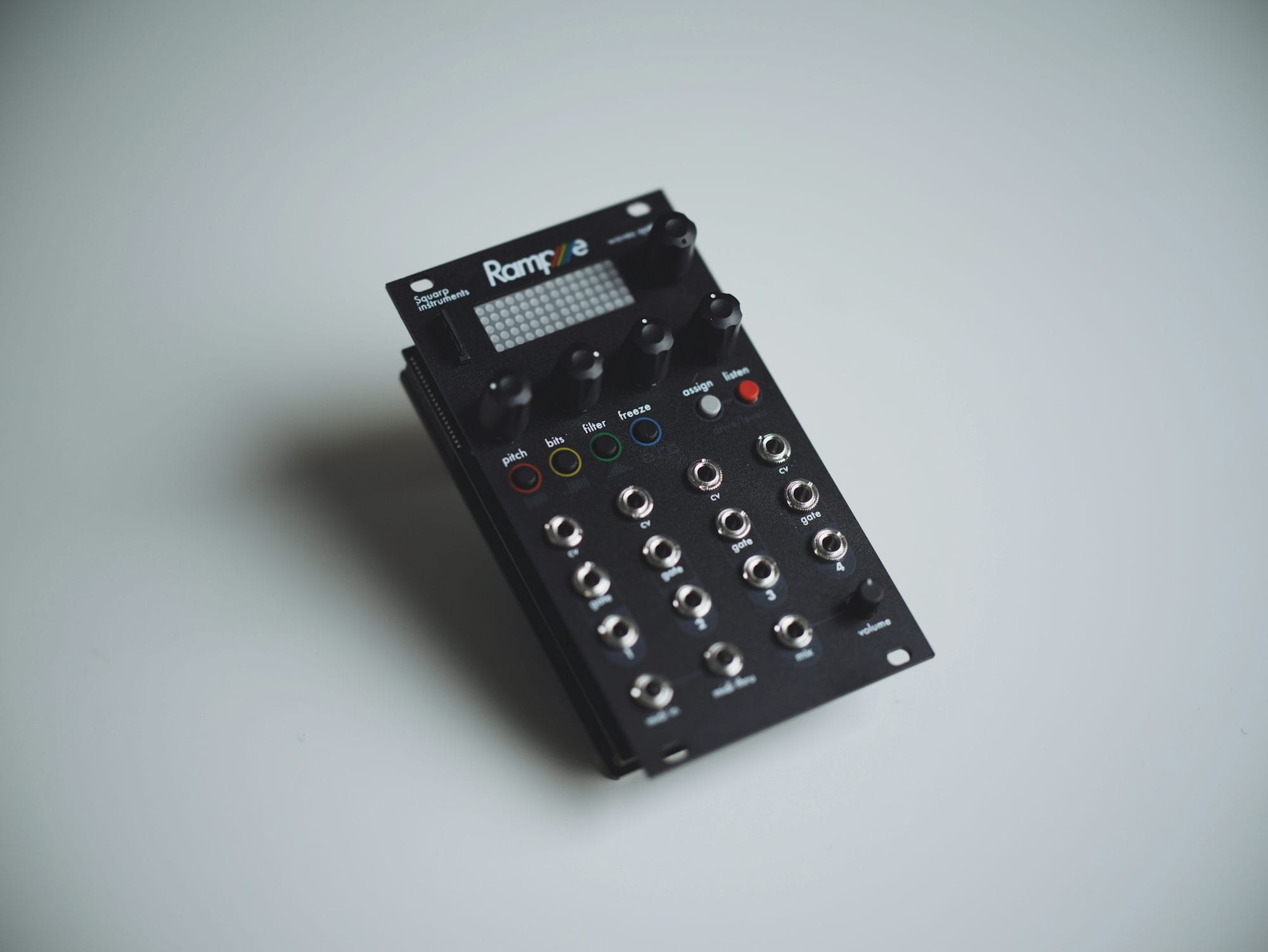
Teenage Engineering is a Swedish design company founded in Stockholm in 2005 by Jesper Kouthoofd, David Eriksson, Jens Rudberg and David Möllerstedt. Its design style is the clearest living heir to Dieter Rams and Braun: geometric forms, RAL industrial colors, color-coded controls and exposed components. The OP-1 synthesizer (2010) set that language, the Pocket Operators (2015) put it on a bare circuit board, and collaborations with IKEA, Panic’s Playdate and Nothing carried it beyond music.
The instruments cost as much as furniture and argue harder than most of it.
Teenage Engineering built the company Dieter Rams would have made if he cared about music
The question is not whether Teenage Engineering makes good instruments. The question is whether they are an instrument company at all.
Jesper Kouthoofd left advertising in the early 2000s because it used creativity only for print and film. He wanted to apply it to making real objects. Along with David Eriksson, Jens Rudberg, and David Möllerstedt, who had run Netbabyworld (a computer games company) and before that worked in game audio at EA DICE, Kouthoofd founded Teenage Engineering in Stockholm in 2005. They spent five years building a design position before releasing anything. The OP-1 debuted at NAMM 2010. Not a prototype. A complete position.
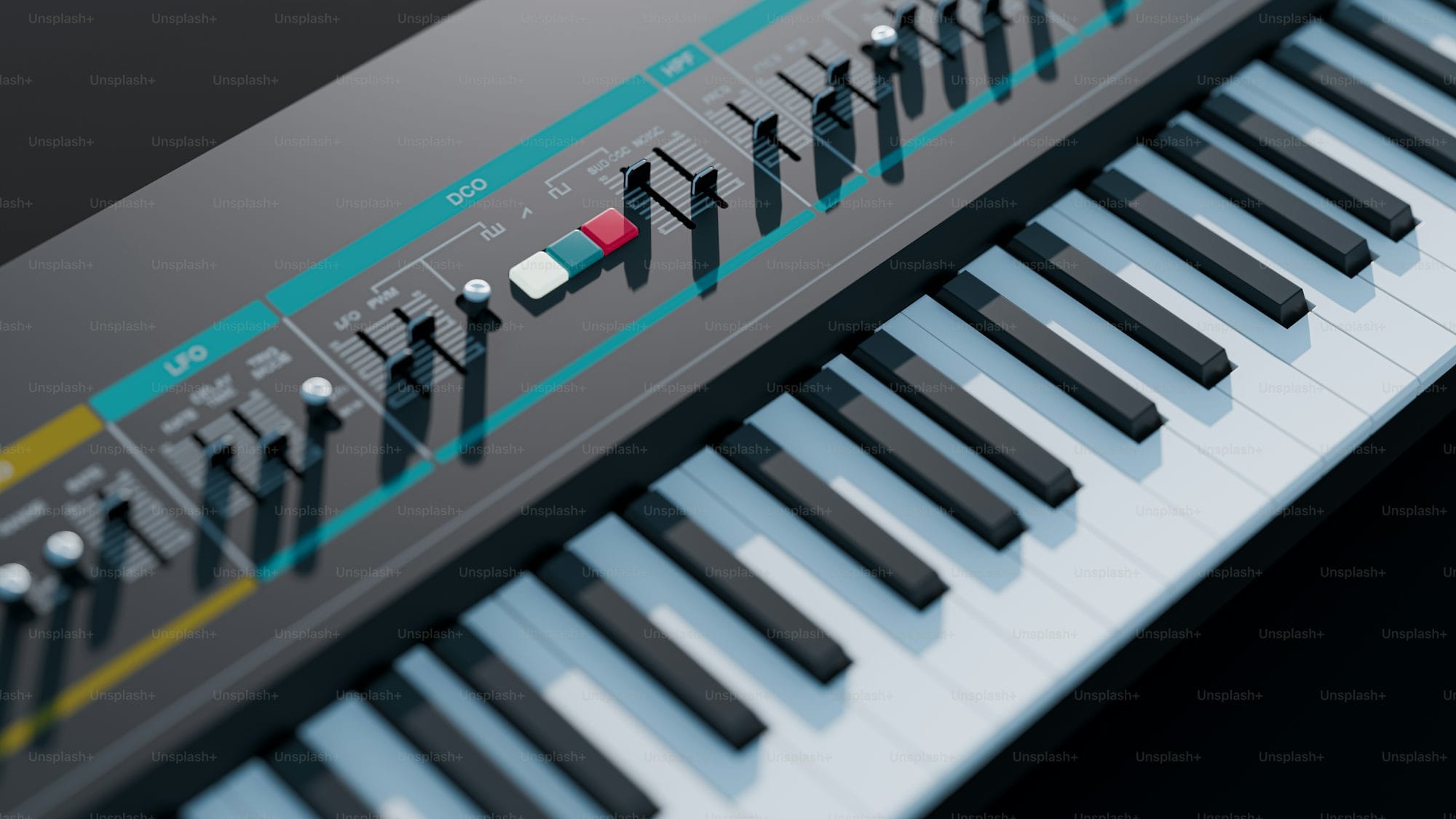
The design philosophy is not intuited from the products. Kouthoofd has stated it plainly: he works with simple geometric shapes and RAL colors exclusively. RAL is a 40-color German industrial scale, the system used to specify the color of traffic signs, factory equipment, and government infrastructure. Using it to build a portable synthesizer is a formal declaration. Orange means recording across every TE product. That is not branding. That is a color system with assigned meaning.
The Dieter Rams connection is real and documented. Rams’ influence on Apple is widely noted; his influence on Teenage Engineering and on Carl Pei’s Nothing brand runs through the same formal lineage. But collapsing TE into “Braun for the 21st century” misreads it. Kouthoofd adds what Rams explicitly removed: wit, narrative, object-as-story. “When designing a product, it’s like making a film — you tell a story — and a product can be entertaining and be a tool, which is a different way to think about industrial design,” Kouthoofd told SFMOMA curator Joseph Becker in a published interview. That is Italian design thinking grafted onto German formal discipline. Neither Braun nor Olivetti. Something specific.
Kouthoofd adds what Rams explicitly removed: wit, narrative, object-as-story.
The company’s institutional recognition arrived when SFMOMA acquired the TP-7 field recorder for its permanent collection. A museum did not accept it as a consumer electronic. They accepted it as a designed object with a position.
This matters for how we read the products in the design legends of the 20th century tradition. TE is not making instruments that happen to look good. They are making arguments that happen to produce sound.
Why Teenage Engineering charges $1,400 for a synthesizer that fits in a pocket
The price is not a premium. It is a statement.
The OP-1 Field, the current version of TE’s flagship instrument at 589 grams and 28.7 centimeters long, costs approximately $1,399. The OP-XY, released in 2024, costs $2,299. Both fit in a bag. Neither is a value proposition. They are complete formal objects, and you pay for the object’s position, not just its function.
Dieter Rams’ ten principles include the instruction that good design is thorough down to the last detail. TE applies this to interface logic: orange means recording across every product in the line. Knobs, displays, and buttons are designed for muscle memory. “A knob is an invitation to remember what touch feels like,” Kouthoofd has said. The phrase has circulated through design writing because it compresses the entire TE argument into nine words. Touch is not accidental. It is designed.
The Pocket Operators, introduced in 2015 with clothing brand Cheap Monday, run from $59. Three initial models: PO-12 rhythm, PO-14 sub, PO-16 factory. No enclosure; the circuit board is the product. The Pocket Operators are not a budget line in the usual sense. They are a proof of position: the formal conviction does not require premium materials. What it requires is that every decision be made.
TE products do not hide their components. The TX-6 mixer, the Pocket Operators, and the OP-Z all expose their visual logic. This is not the transparency-as-branding that technology companies perform. It is the position that designed objects should declare what they are.
A TE instrument tells you it is a tool before you touch it.
The Braun design objects Rams produced from the mid-1950s onward operated on a similar principle: honest materials and honest form were not aesthetics but ethics. TE translates that ethics into a context Braun never entered. The synthesis is not nostalgic. It is a contemporary application of a formal discipline to a product category that had no such discipline before 2010.
The objects that made the teenage engineering design argument
The OP-1 Field (2022, current production; original 2010) is 589 grams, aluminum body, 28.7 by 10.1 by 1 cm. It contains a synthesizer with 12 engines, a 4-track tape recorder, a sampler, a drum machine, and a speaker. The AMOLED display shows interface state in real time. It runs for up to 24 hours on a charge. The design argument it makes is that a portable instrument can be a primary studio instrument, not a sketch tool, but the thing itself.
The EP-133 K.O. II (2023) is a sampling drum machine at approximately $349. It has 64 megabytes of memory, 999 sample slots, a four-track sequencer, pressure and velocity-sensitive pads, and a built-in microphone. It is substantially rebuilt from the Pocket Operator PO-33 K.O. The EP-133 demonstrates that the TE design position is not tied to flagship pricing. The same formal discipline, the same color logic and interface thinking, scales to a beat production tool at a third of the price.
The TX-6 (2022) is a six-channel portable mixer the size of a deck of cards. It runs on battery for eight hours and functions as a USB audio interface. The category it occupies, the mixing desk, has historically been the least designed piece of studio equipment. The TX-6 applies the full TE formal system to a category that had no such system. TE released it on their website with minimal description.
The OP-XY (2024, $2,299) is a 64-step grid sequencer, sampler, and synthesizer with eight instrument tracks and dual CPU. Its form factor matches the OP-1 Field. MoMA’s online store stocked it on launch, an endorsement from a design institution that treated it as a designed object rather than a consumer electronic.
The Pocket Operators (2015 to present) are the counter-argument to anyone who reads TE as luxury branding. Bare printed circuit boards, no enclosure, $59 to $99. Co-designed with Cheap Monday for the original release. Later packaged in cardboard accessories. The Pocket Operators prove that formal conviction is not a materials question.
The Charles and Ray Eames design philosophy held that objects should work for people and that good design was a democratic act. TE extends that argument: objects should also declare their purpose. The OP-1’s keyboard, orange track buttons, and tape recorder UI are not decorative choices. They are a vocabulary, legible to anyone who uses the object once.
Teenage Engineering design collaborations, from IKEA to the Rabbit r1
The studio lends its design language to other companies, and the collaborations show how portable it is. The OD-11 speaker (2014) revived a 1974 Stig Carlsson design with the Stig Carlsson Foundation. The Impossible I-1 instant camera (2016) was designed for The Impossible Project. Frekvens, announced with IKEA in 2018, is a modular speaker and lighting line that takes visual cues from the Bauhaus. Panic’s Playdate handheld (announced 2019) carries a crank credited to Teenage Engineering, and in 2021 the studio began shaping the design of Carl Pei’s Nothing, starting with the ear (1) earbuds.
The best-known collaboration is the Rabbit r1, an AI assistant device from Rabbit Inc. co-designed with Teenage Engineering and announced at CES in January 2024. The hardware has a 2.88-inch touchscreen, a scroll wheel, a push-to-talk button and a camera, each control readable at a glance in the TE manner. The reviews that followed went after the software, asking what the r1 could do that a phone could not. A Teenage Engineering body can make a device desirable, but it cannot supply a reason to own it. For the longer argument about AI hardware and where its forms come from, see the lineage problem.
If the Rams line is what draws you to TE, the best Dieter Rams inspired products puts it next to the other companies still working in that tradition.
Shop the Collection
TE instruments are complete formal objects. These three represent the range: from the sampling drum machine that makes the argument most accessibly, to the mixer that proves the position works across categories, to the flagship that defines what the company is.
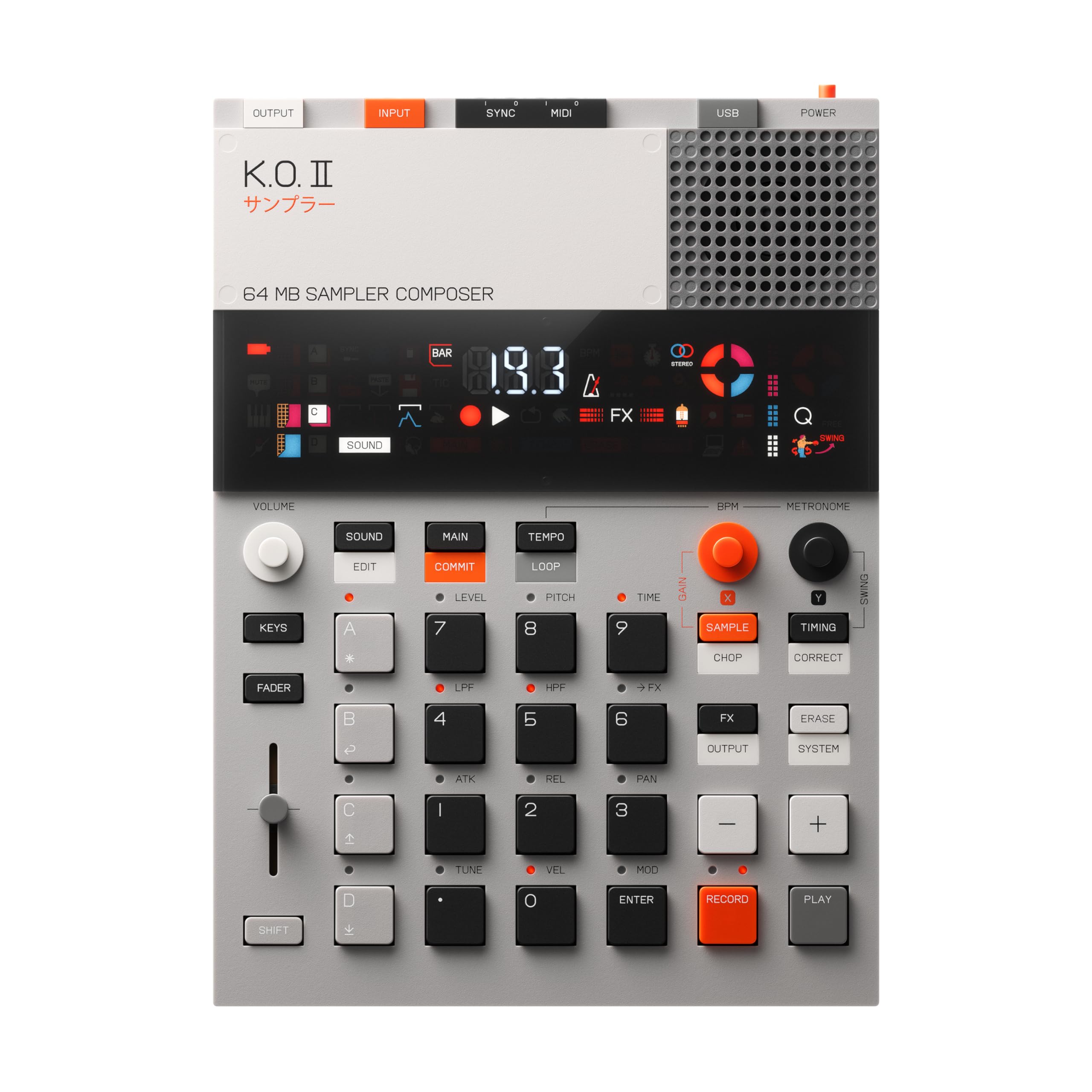
Teenage Engineering EP-133 K.O. II
The most accessible entry into TE’s design system. At roughly $349, it brings the same formal discipline as the flagship instruments to a beat-production workflow, and the pressure-sensitive pads make it the best-feeling drum machine at the price.
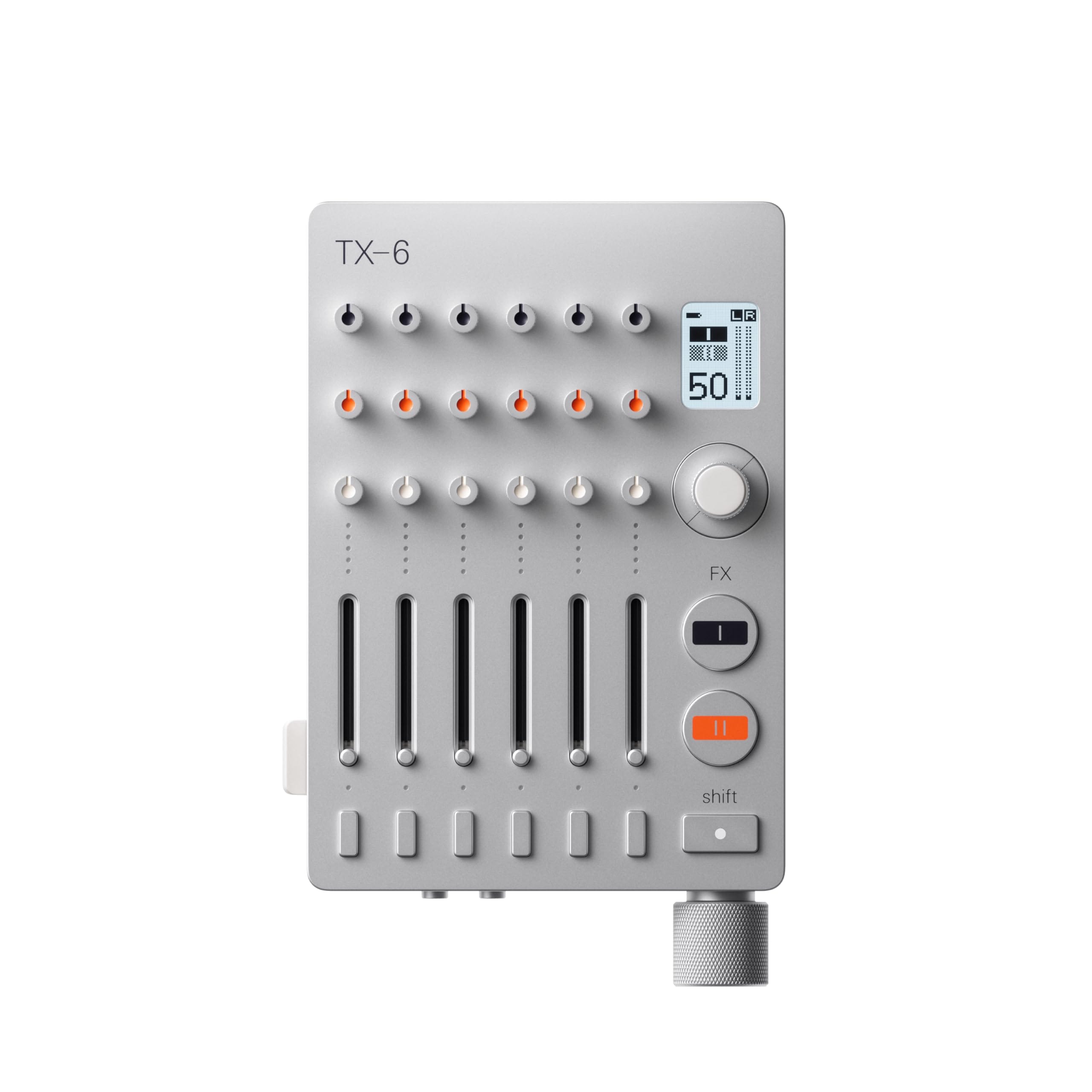
Teenage Engineering TX-6 Field Mixer
The best argument that TE’s design position extends beyond instruments. It takes the mixing desk, historically the least designed studio category, and applies the same formal constraints. Pocket-sized, 8-hour battery, professional-grade specs.
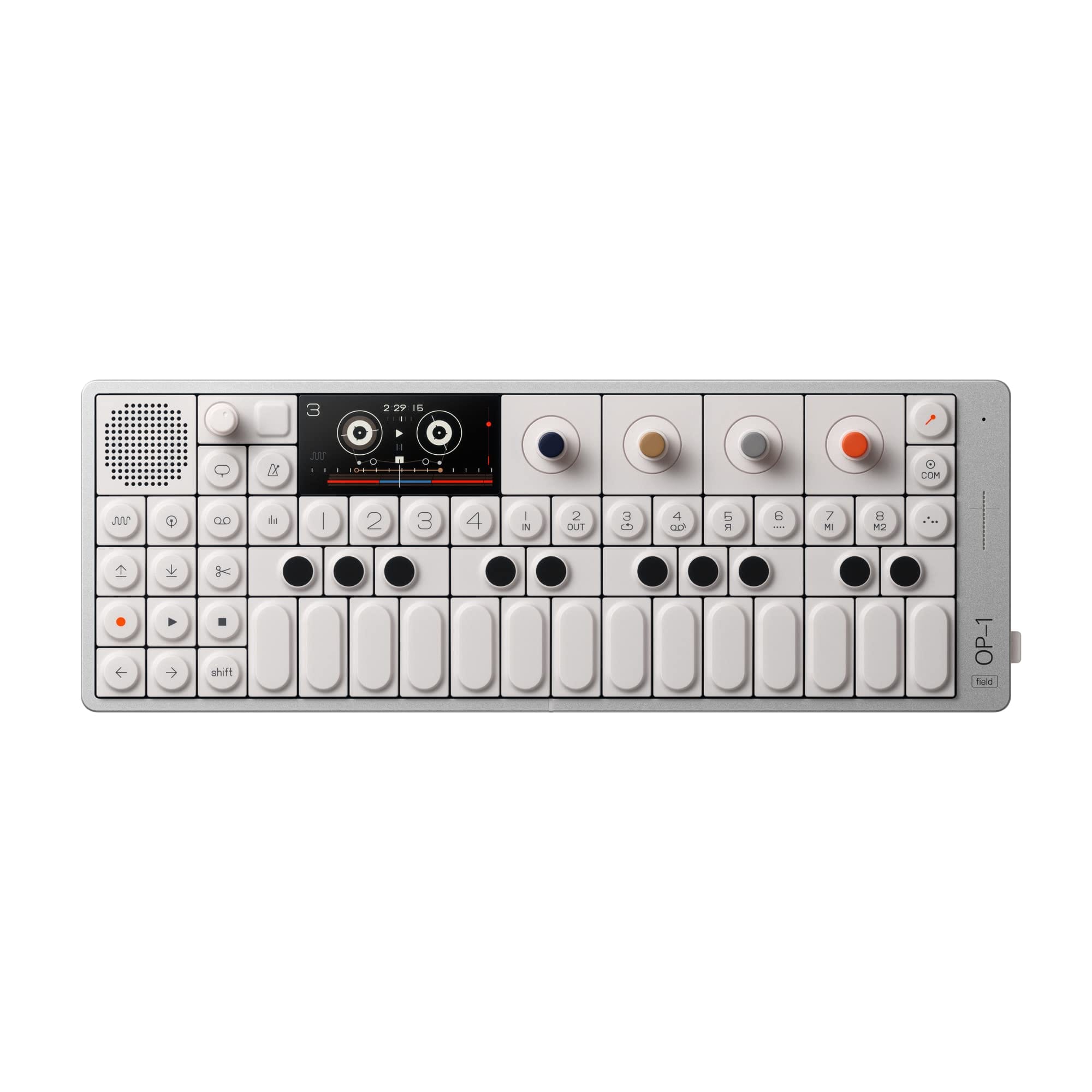
Teenage Engineering OP-1 Field
The core argument, the instrument that defines what TE is. At $1,399, it is not a casual purchase. It is a commitment to a design position.
Further Reading
Two books worth owning before you spend money on a TE instrument. One tells you where the formal vocabulary came from; the other tells you what TE is arguing against.
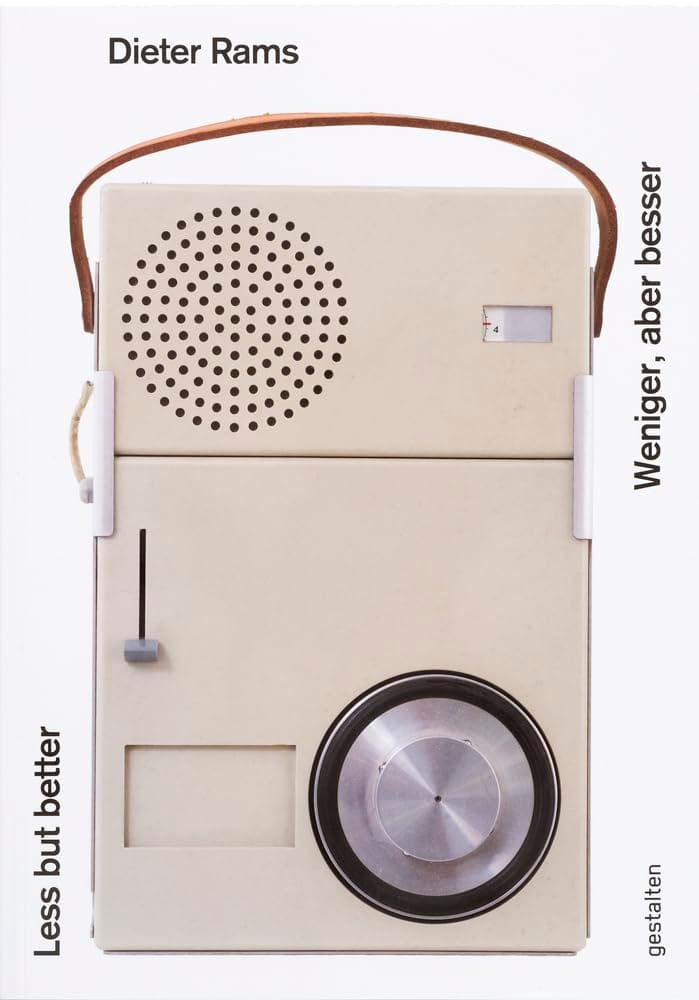
Dieter Rams, Less But Better (Gestalten, 2014)
TE’s entire design vocabulary is a contemporary translation of Rams’ Ten Principles. You cannot fully read a TE product without knowing what it is arguing against and for. This is the primary text.
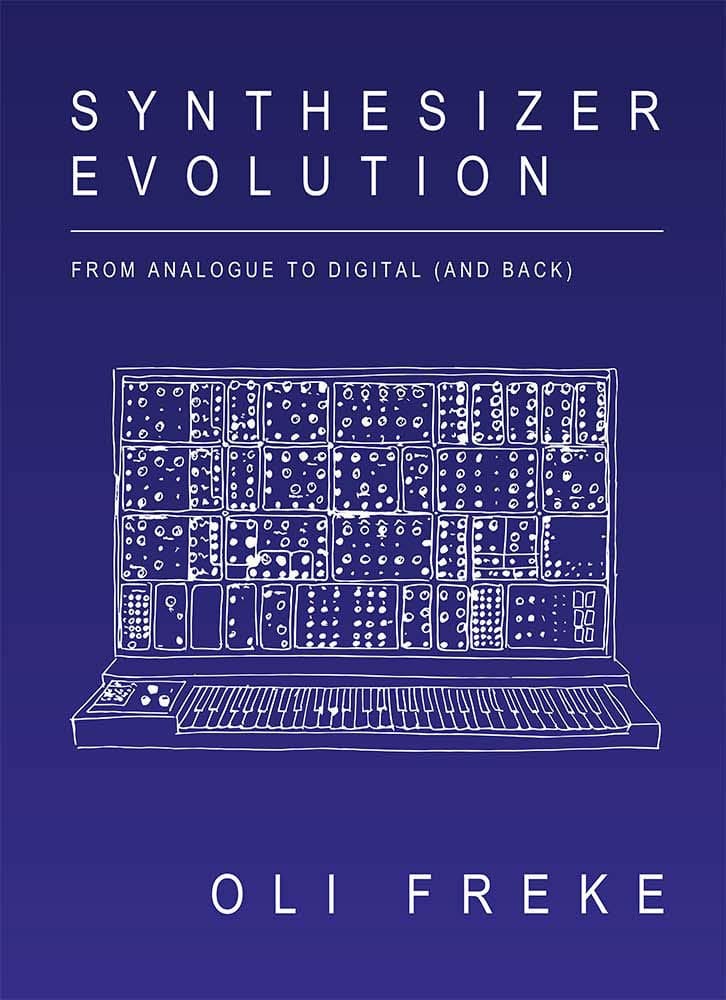
Oli Freke, Synthesizer Evolution (Velocity Press, 2021)
TE products do not exist in isolation. They participate in a 60-year argument about what electronic instruments should look and feel like. Freke’s hand-illustrated visual history (1963 to 1995) gives the aesthetic lineage without academic apparatus.
Frequently Asked Questions
What is Teenage Engineering known for?
Teenage Engineering is known for portable synthesizers and instruments that apply strict industrial design principles, including RAL color standards, geometric forms, and Rams-influenced minimalism, to electronic music tools. Their products, including the OP-1, EP-133, and TX-6, are treated by design institutions (SFMOMA, MoMA) as designed objects, not just consumer electronics.
Who founded Teenage Engineering?
Teenage Engineering was founded in Stockholm in 2005 by Jesper Kouthoofd, David Eriksson, Jens Rudberg, and David Möllerstedt. Kouthoofd had worked in advertising; the others previously ran Netbabyworld (a computer games company), and Möllerstedt headed audio at EA DICE. The company spent five years developing its design position before releasing any product.
How does Teenage Engineering design compare to Dieter Rams?
Teenage Engineering applies Rams’ formal discipline, including geometric constraint, honest materials, and function-first thinking, but adds a dimension Rams deliberately excluded: narrative and wit. Kouthoofd has described product design as storytelling, a position closer to Italian design thinking (Olivetti, Alessi) than to Braun’s austerity. The result is formal without being cold.
Is Teenage Engineering worth the price?
TE products are priced as complete formal objects, not value propositions. The OP-1 Field at $1,399 and the OP-XY at $2,299 cost as much as well-made furniture. If the question is whether the instruments produce better music than cheaper alternatives, the answer is no. If the question is whether they represent a designed experience from the first touch, the answer is yes. The Pocket Operators ($59 to $99) prove the formal position does not require the flagship price.
What is the best Teenage Engineering product for beginners?
The EP-133 K.O. II at approximately $349 is the most accessible entry point. It is a sampling drum machine with a straightforward workflow: record samples, sequence them, perform. The pressure-sensitive pads make it physically engaging in a way that purely digital tools are not. The Pocket Operators are cheaper and more portable, but less capable for extended work.
Where are Teenage Engineering products made?
Teenage Engineering is a Swedish company based in Stockholm, and its products are designed there. The instruments are manufactured in Asia, as with virtually all consumer electronics in this category. The design origin, including the formal vocabulary, the color system, and the interface logic, is Swedish.
What design style is Teenage Engineering?
Teenage Engineering works in a functionalist style descended from Dieter Rams and Braun: simple geometric shapes, colors taken from the RAL industrial scale, visible components and color-coded controls, with orange meaning record across the product line. It adds playful graphics and a sense of humor that Rams avoided.
Who is the designer of Teenage Engineering?
Jesper Kouthoofd, co-founder and CEO, is the designer most associated with Teenage Engineering and has described its method of working with geometric shapes and RAL colors. He founded the company in 2005 with David Eriksson, Jens Rudberg and David Möllerstedt, and its products are released under the studio’s name.
Is Teenage Engineering a Japanese company?
No. Teenage Engineering is Swedish, founded and based in Stockholm. The confusion is understandable: the Pocket Operators borrow from pocket calculators and Nintendo’s Game & Watch, and the series won a Good Design Award from the Japan Institute of Design Promotion in 2017.
Did Teenage Engineering design the Rabbit r1?
Yes. The Rabbit r1, an AI assistant device from Rabbit Inc. announced at CES in January 2024, was co-designed with Teenage Engineering. Rabbit developed the device and its rabbitOS software, with Teenage Engineering as co-designer.

About Joe Post
Joe Post holds an MFA in Art from California Institute of the Arts (CalArts) and has done additional graduate work at the School of the Art Institute of Chicago. He founded Art Design Ideas to write about design as cultural argument — the decisions, contradictions, and assumptions built into the objects we live with.