

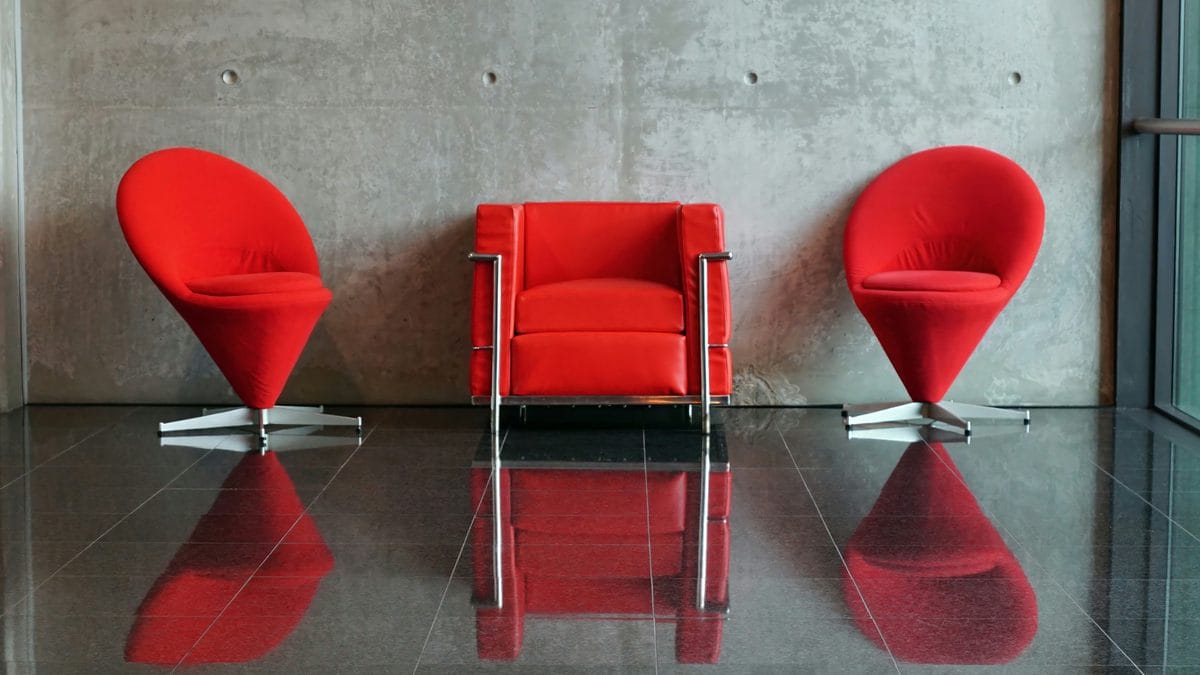
Modern designer furniture is furniture made between roughly 1920 and today by named designers working within movements — Bauhaus, mid-century modern, Scandinavian minimalism — that prioritized form following function over ornament. Knowing how to choose modern designer furniture well means understanding which design argument a piece is making, not just whether it fits the room.
Most People Buy Modern Furniture for the Wrong Reason
The most common mistake isn’t buying the wrong version. It isn’t spending too much. It’s buying a piece without knowing what problem the designer was trying to solve, and then being surprised when the piece doesn’t work in the room.
The Barcelona Chair is the clearest example. Designed by Ludwig Mies van der Rohe and Lilly Reich in 1929 for the German Pavilion at the International Exposition in Barcelona, it was created for an essentially empty ceremonial space: a building designed for a single visit by King Alfonso XIII. The pavilion had almost no furniture by design. The chair was not built for habitation. Knowing that changes how you use it, and whether you should buy it at all. “Modern furniture” is a specific historical period with its own formal priorities; it is not a synonym for “contemporary.”
How to choose modern designer furniture for the right room
The question isn’t which piece looks right in a photograph. It’s which designer was solving for the same conditions your room presents.
The living room — where form versus function conflict is most expensive
The living room is where the Barcelona Chair problem shows up most often. Buyers choose a piece for its visual authority (the Barcelona Chair, the Eames Lounge Chair) without asking what it was built to do.
The distinction matters. The Eames Lounge Chair (1956, Herman Miller) was explicitly designed for leisure: rosewood veneer shell, leather cushions, a tilt mechanism calibrated for reading and relaxation. Charles Eames described the intent around 1956: “We wanted to do something for the person who comes home beat.” That’s a legitimate living room brief. The Barcelona Chair was not designed for regular sitting. It was designed for a room where sitting was ceremonial. Buying the Eames for your living room is a defensible decision. Buying the Barcelona Chair for the same reason requires understanding what you’re actually getting.
For living room designer lounge chairs, the question to ask is: did the designer solve for sustained use, or for visual presence? One of those maps to your room. The other maps to a photograph of your room.
The dining room — the case for Scandinavian functionalism
Scandinavian design from the 1950s and 1960s addressed a problem the Bauhaus had set aside: how to make furniture beautiful enough to leave out but functional enough for hours of actual use.
Hans Wegner’s Wishbone Chair (CH24, 1949, Carl Hansen & Son) is the most direct answer. Steam-bent beech or oak frame, woven paper cord seat. Named for the Y-shaped back. Over one million produced by 2014. It was designed to be used at a table: for meals, for the period after meals, for the hours a dining chair actually occupies. Wegner trained as a cabinetmaker before studying design; his solutions came from the joinery out, not the silhouette in.
The principle for the dining room: choose pieces from designers who were solving use problems, not aesthetic problems. A modern dining chair that looks correct but is hard to sit in for ninety minutes fails its brief. Wegner didn’t.
The home office — where Bauhaus logic actually works
The Bauhaus (founded by Walter Gropius in Weimar in 1919, moved to Dessau in 1925, forced to close under Nazi pressure in 1933) established a working doctrine: form follows function, industrial materials, no unnecessary ornament. The office is the room where that doctrine maps most directly to actual requirements.
Marcel Breuer’s Cesca Chair (1928, now produced by Knoll) demonstrates the logic cleanly. Tubular chromium-plated steel frame, cane seat and back. Named for Breuer’s adopted daughter Francesca. Breuer’s inspiration was a bicycle handlebar — an Adler brand, around 1925. A working object, not an aesthetic proposition. The Cesca was designed for schools and institutions: durability, the possibility of stacking, honest material that could be cleaned. These are working-room priorities. The chair looks the way it does because those requirements have formal consequences.
Contemporary modern office chairs that follow the same logic (metal or engineered-wood frame, breathable seat material, stackable or lightweight) carry the same argument. In a working room, the right choice is furniture made for institutions, not for exhibition.
Materials tell you what a piece is for
Modern designer furniture uses materials as argument, not decoration. This is the single most useful principle for buyers who don’t have time to research every designer.
Molded plywood, the Eames working method from the 1940s onward, says: industrial process, democratic access, the machine in service of the body. Solid teak (Danish modern, 1950s–1970s) says: warm domesticity, craft tradition, furniture that ages. Tubular steel (Breuer, Mies, the whole Bauhaus metalwork vocabulary) says: machine-age honesty, structural clarity, the industrial object without apology.
Before buying any piece, identify what material the designer chose and what that choice argues for. The material will tell you what conditions the piece was designed to meet and whether those conditions match yours. The Design Museum London’s profile of Charles and Ray Eames traces how their material innovations — from plywood to fiberglass — shaped what we now recognize as modern furniture.
The five mistakes that ruin a modern furniture purchase
- Not checking who made it. The best-known modern designs are licensed to specific manufacturers: the Barcelona Chair to Knoll since 1953, the Eames Lounge Chair to Herman Miller, the Wishbone Chair to Carl Hansen & Søn. A new piece sold under one of those names by anyone else is not the licensed product, and you’ll likely discover the difference in five years when the construction shows it. If the licensed price is out of reach, buy secondhand or buy a different design, and know what you’re purchasing.
- Mixing periods without understanding what each piece argues. A 1929 Barcelona Chair beside a 1960s Danish teak sideboard beside a 2010s Philippe Starck Ghost Chair isn’t eclectic. It’s three incompatible design arguments in the same room. Eclecticism works when you understand the propositions you’re combining and have a reason for the combination. It fails when you’re collecting things you like without regard for what they’re saying.
- Prioritizing visual weight over spatial proportion. Modern furniture is often visually light: tapered legs, thin profiles, negative space as a deliberate element. Choosing a piece that fills a room visually when the room calls for restraint is the most common spatial error. The photograph of the room you’re imagining has generous light and empty floor space. Your room may not.
- Buying for how the room photographs, not how the room works. The Barcelona Chair looks correct in a photograph. It is not comfortable for extended sitting; it was never designed for it. The Eames Plastic Chair looks correct in a photograph. It is harder than most people expect. Sit in what you’re buying before you commit. When that’s not possible, research what the designer’s stated intent was.
- Treating “designer” as a quality guarantee. Designer provenance is not a substitute for construction quality. The questions that matter: What joinery method? (Mortise and tenon outlasts dowels; dowels outlast screws.) Is this solid wood or veneer over particleboard? What upholstery grade? (Top-grain leather against bonded leather is a ten-year difference in durability.) A famous name attached to a piece does not transfer the original’s construction quality.
Shop the Collection
Two places to start, neither of which requires a significant commitment before you’ve developed your eye.
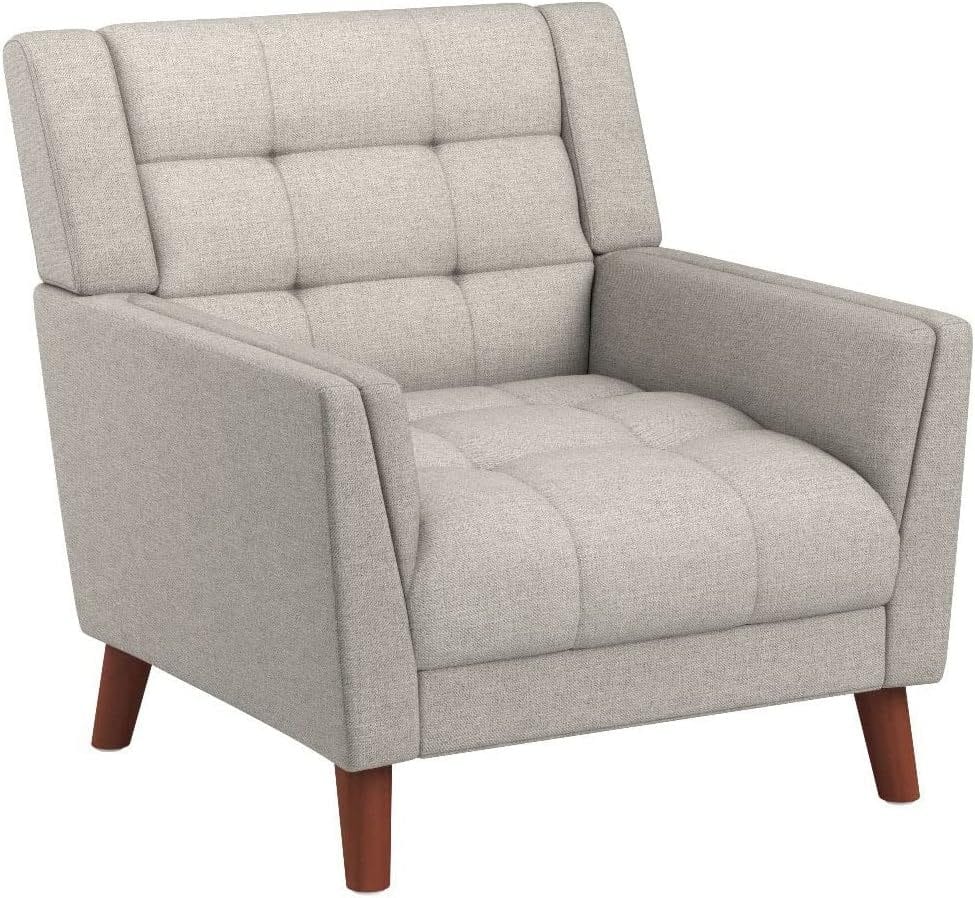
Christopher Knight Home Evelyn Mid-Century Arm Chair
A mid-century accent chair with splayed legs and tufted upholstery that puts the formal vocabulary Eames and his contemporaries worked out in the 1950s into your room at a price point that lets you test the aesthetic before committing to it.
Before committing to a purchase, it also helps to understand what defines modern designer furniture — authorship, production integrity, and cultural positioning are the filters that separate design from expensive decoration. And for room-by-room guidance on which objects to prioritize first, see modern design objects for every room.
Further Reading
There are three books worth owning before you buy a single piece.
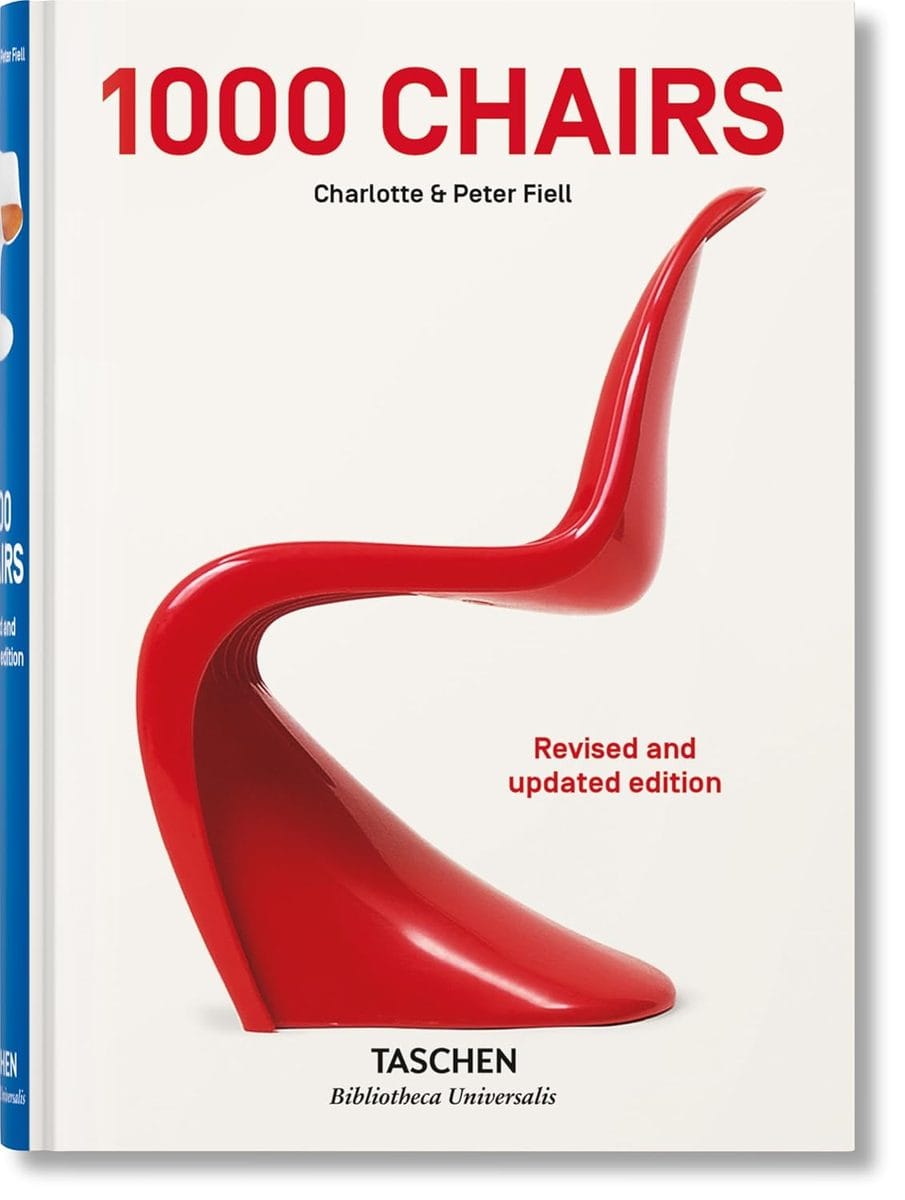
Charlotte and Peter Fiell, 1000 Chairs (TASCHEN)
The chair is where every modern design movement worked out its argument first, in seat form, at human scale, with a direct problem to solve. This catalogue covers the full history and is the most direct tool for learning to tell good design from a famous name.
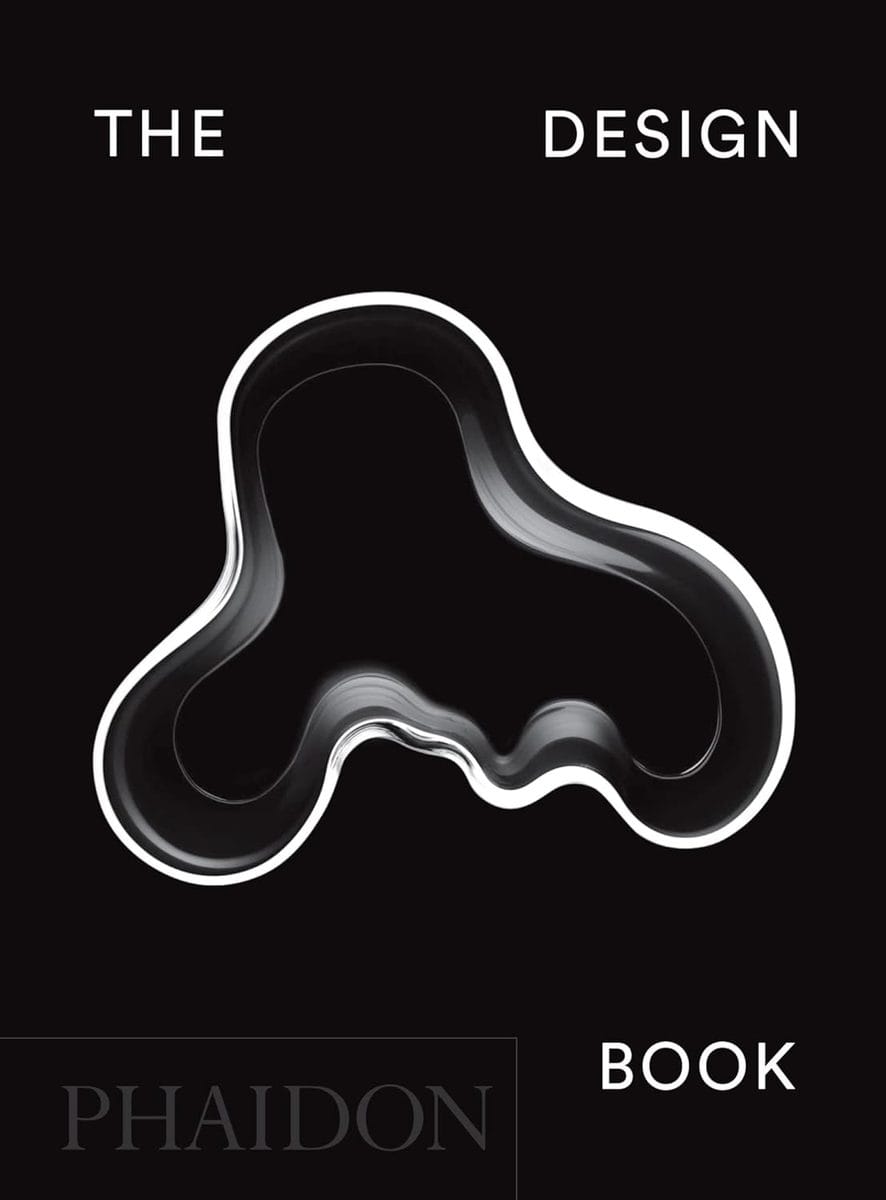
Phaidon Editors, The Design Book (Phaidon Press)
More than 500 objects spanning five centuries (Le Corbusier, the Eames, Starck, and objects you’ve used without knowing who designed them). The most complete single-volume survey for building an eye before buying.
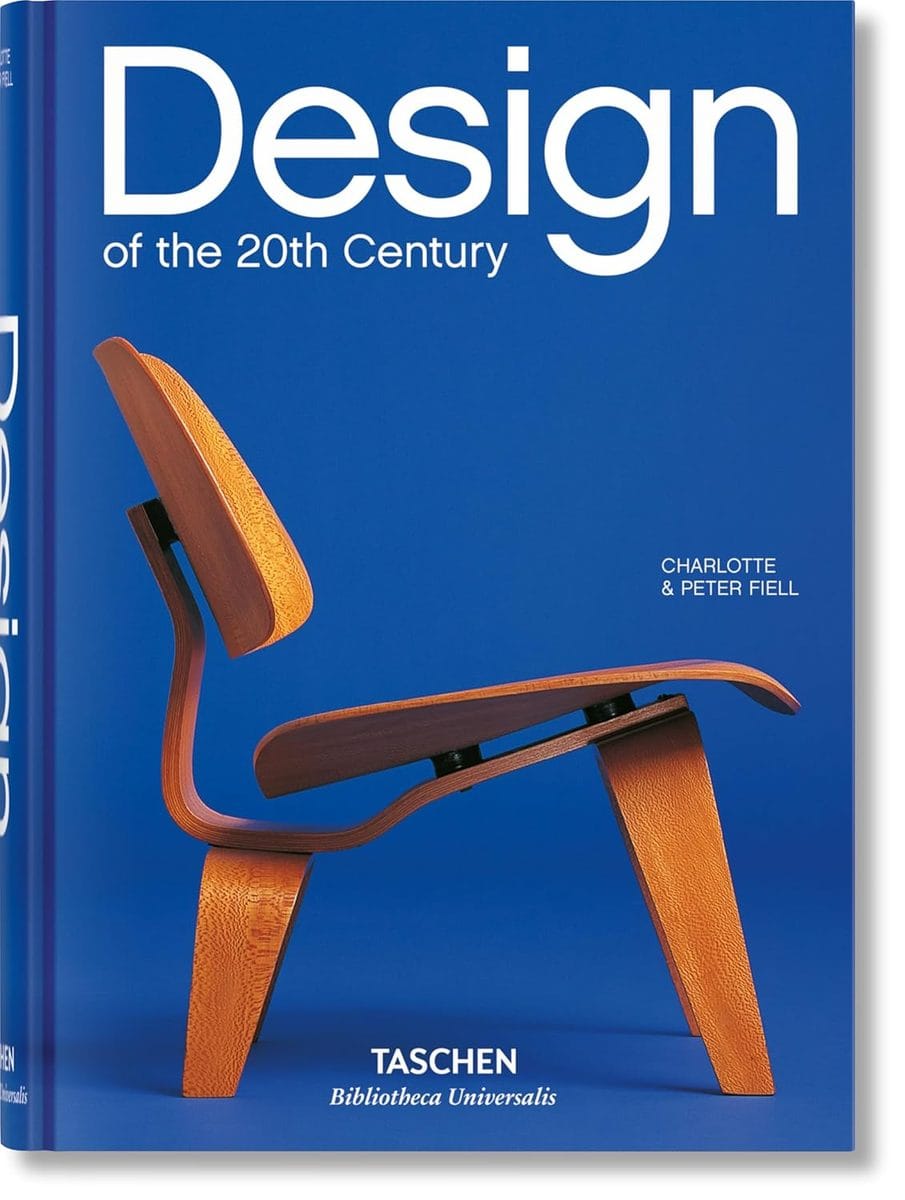
Charlotte and Peter Fiell, Design of the 20th Century (TASCHEN)
An A-to-Z of designers and movements organized historically, the reference for placing any piece in its period and understanding what the designer was arguing against.
For the broader context of this work, see the Iconic Furniture Design hub — a survey of the designers and movements that defined modern furniture.
Frequently Asked Questions
What is the difference between modern and contemporary furniture?
Modern furniture refers to a specific historical movement rooted in modernism, spanning roughly the late 19th century through the 1970s, characterized by clean lines, material honesty, and the elimination of ornament that serves no structural purpose. Contemporary furniture simply means furniture made now, which may or may not draw from modernist principles. The distinction matters for buyers: modern design follows documented historical arguments; contemporary design is whatever the current market produces.
How do I know if a designer furniture piece is authentic?
Authorized manufacturers are the first check: Herman Miller for Eames designs, Carl Hansen & Son for Wegner’s Wishbone Chair, Knoll for the Barcelona Chair and Breuer’s Cesca Chair. A new piece from any other manufacturer is not the licensed product. On the object itself, look for manufacturer markings, construction quality (joinery method, material grade, weight), and provenance documentation.
Is mid-century modern furniture the same as modern designer furniture?
Mid-century modern is a subset of modern designer furniture — it refers specifically to the design production of roughly 1945 to 1970, concentrated in North America, Brazil, and Scandinavia, characterized by clean lines, organic forms, and a range of materials including teak, walnut, molded plywood, fiberglass, and tubular steel. Modern designer furniture is the broader category, which includes Bauhaus (1919–1933), Art Deco, and later movements through the present.
How do I choose the right scale of furniture for my room?
Modern furniture is frequently designed with visual lightness as a deliberate property: tapered legs, thin profiles, negative space. Scale errors tend toward too much rather than too little. A piece that photographs well in an open showroom can visually fill a domestic room. The practical rule is to measure both the furniture footprint and the floor space remaining after placement, then assess the visual weight of the piece against the walls and other objects in the room. If the room calls for restraint, the lighter the silhouette the better.
What materials should I look for in quality modern designer furniture?
The material tells you what the piece was designed for. Solid teak or walnut (Danish modern) signals warmth and durability for domestic use. Molded plywood (Eames) signals industrial process adapted for body-scaled comfort. Tubular steel (Breuer, Mies) signals structural clarity and machine-age honesty, durable but cold in domestic contexts. For upholstered pieces, top-grain leather outperforms bonded leather significantly over time. For wood, solid construction outlasts veneer over particleboard. What to avoid: materials that mimic a period aesthetic without the construction logic that produced it.
For the broader context of this work, see the Iconic Furniture Design hub — a survey of the designers and movements that defined modern furniture.

About Joe Post
Joe Post holds an MFA in Art from California Institute of the Arts (CalArts) and has done additional graduate work at the School of the Art Institute of Chicago. He founded Art Design Ideas to write about design as cultural argument — the decisions, contradictions, and assumptions built into the objects we live with.