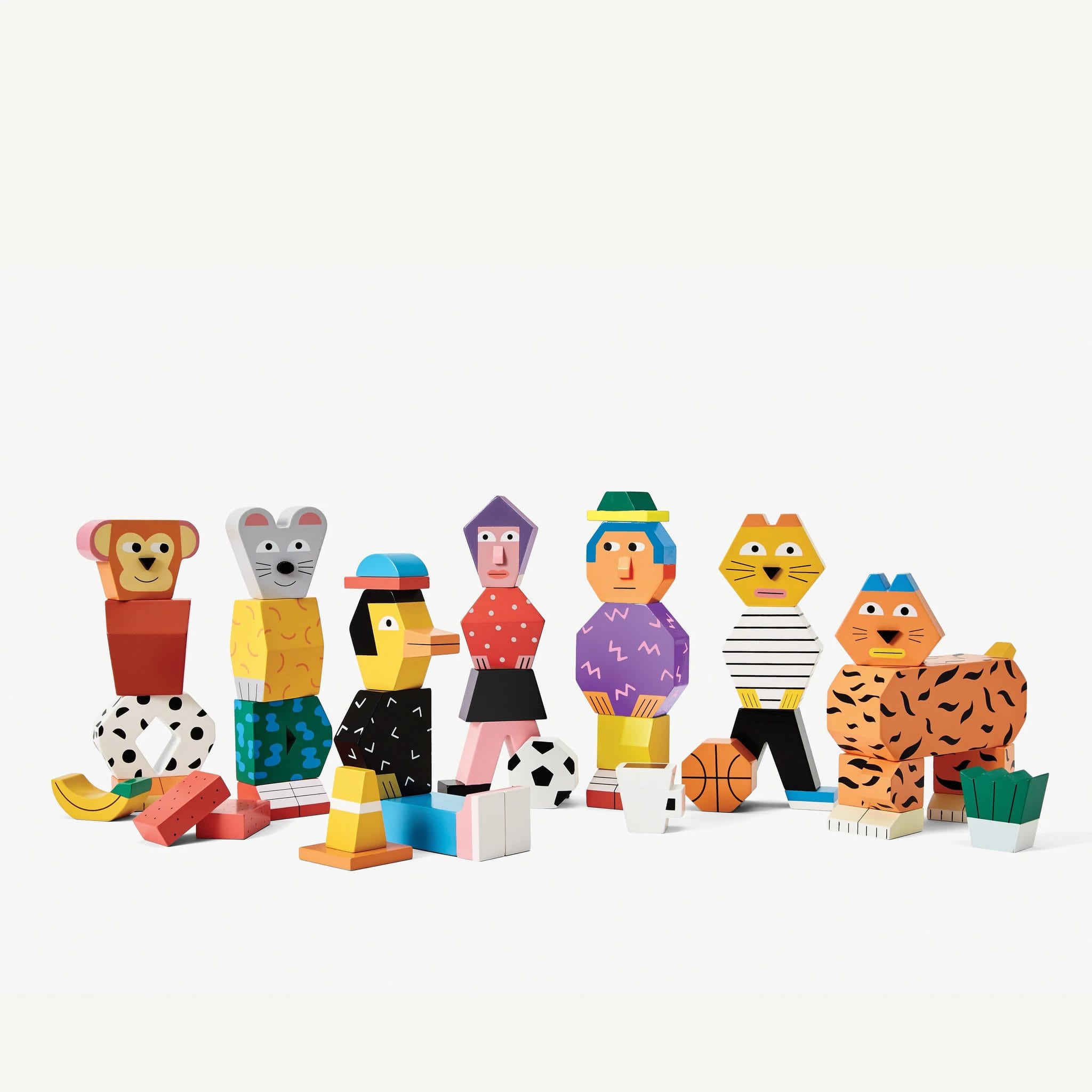
Areaware is a Brooklyn-based design company that has operated since 2002 on a single, coherent premise: that the designers working at the margins of the commercial object market — the ones making things that are too specific, too strange, or too committed to an idea to find a home in conventional retail — deserve a platform. The objects Areaware produces are not furniture, exactly, and not art objects, exactly. They are the things that result when a company asks what design looks like when it takes humor, material intelligence, and daily use as equally serious design constraints.
What Areaware’s founding argument actually was
The company’s name comes from a portmanteau of “aware” and “ware” — the idea that an object should produce a moment of attention rather than disappear into the background of daily life. That is not a marketing position. It is a design position. It places Areaware within a specific lineage: the tradition of the design object as intellectual proposition rather than functional commodity.
The comparison point is not Muji or IKEA. It is Alessi in its earlier phase — the phase when Alberto Alessi was commissioning architects and artists to make objects for the kitchen that would fail commercially but win critically, objects that asked whether a domestic object could be a cultural statement. Areaware is working a similar premise at a different scale, in a different city, with a different set of collaborators. The objects are smaller, more affordable, and more explicitly playful than Alessi’s more theatrical productions. But the underlying question is the same: what happens when a company lets the designer’s obsession drive the product, rather than the other way around?
Areaware’s collaborator list has included Simon Legald, Fort Standard, Ladies & Gentlemen Studio, and Visibility — designers whose work appears in the permanent collections of institutions like the Museum of Modern Art. The fact that their Areaware pieces sell at accessible price points is not a dilution of their practice. It is the brand’s entire argument: that design at this level of seriousness does not have to exist only at gallery prices.
The objects and what they argue
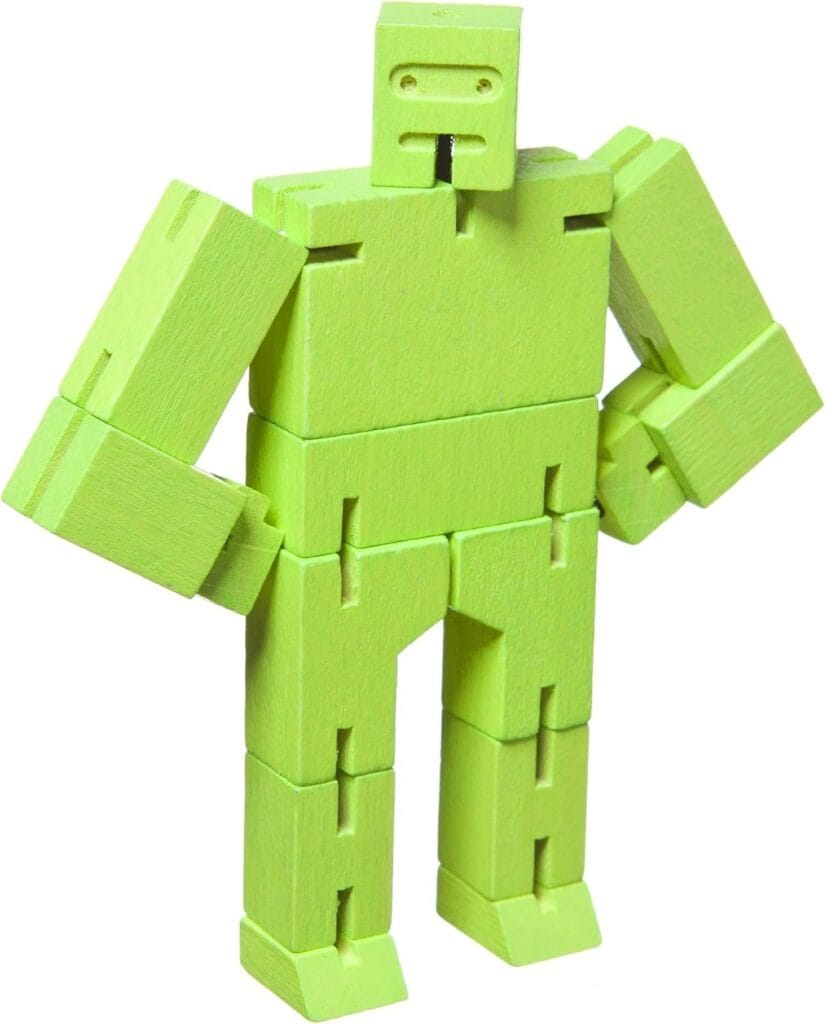
The Cubebot, designed by David Weeks, is the object that most legibly carries Areaware’s thesis. It is a wooden robot that collapses from a humanoid form into a perfect cube. The collapse is not a trick. It is the point. The puzzle of how a figure and a cube are the same object in different configurations is the exact kind of daily-use question that Areaware builds into its products — the moment of attention the company’s name is describing.
Harry Allen’s Bank in the Form of a Pig is a different kind of argument. The pig bank is a readymade cultural form — the ceramic piggy bank is one of the most legible domestic objects in Western culture. Allen makes it in resin and marble dust, gives it a matte black finish, and charges a price that treats it as a collectible rather than a children’s toy. This is not irony for its own sake. It is a specific design move: take a form that has been drained of meaning by overuse, produce it in a material and finish that restore its weight as an object, and see what happens when the familiar becomes strange. The Design Museum London’s collection notes on contemporary product design describe this operation — the defamiliarization of the readymade — as one of the organizing strategies of post-1990s design practice.
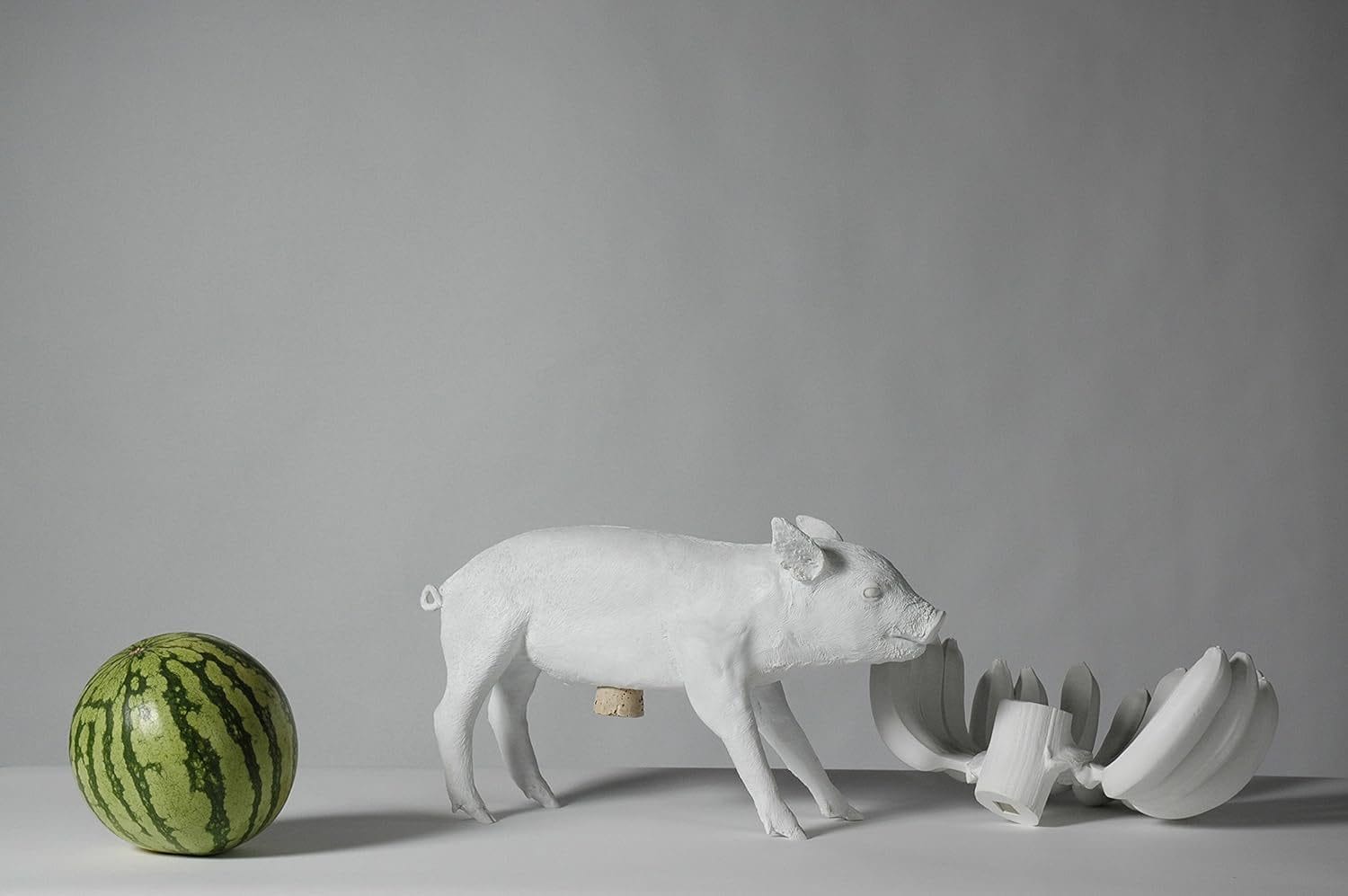
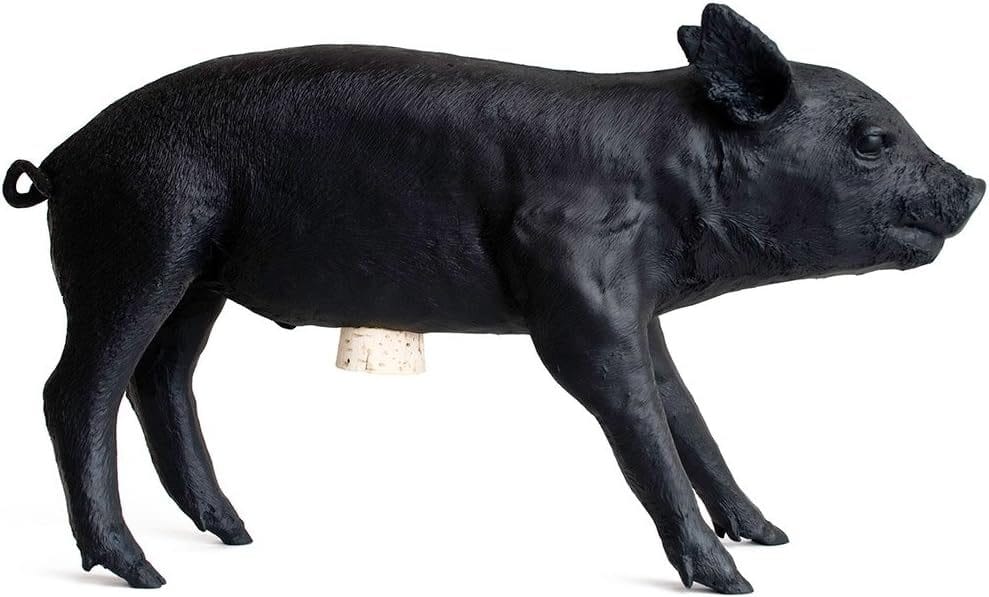
Areaware Bank in the Form of a Pig (Matte Black)
- Designed for Areaware by Harry Allen
- Cast in resin with marble dust finish
- Matte black colorway; also available in white
- Functional coin bank; holds paper currency as well
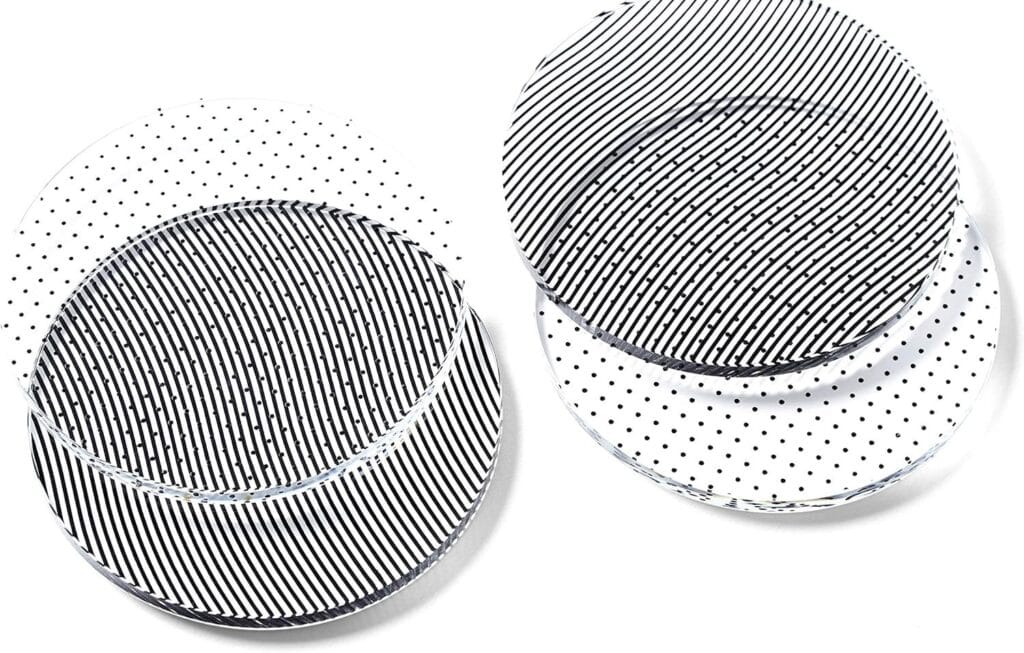
Areaware Glass Grid Coaster: Mixed, Transparent
- Etched glass; moiré interference pattern visible at multiple angles
- 3.75 × 3.75 × 0.20 inches each
- Set of 4; mixed transparent colorways
- Designed by Areaware in-house
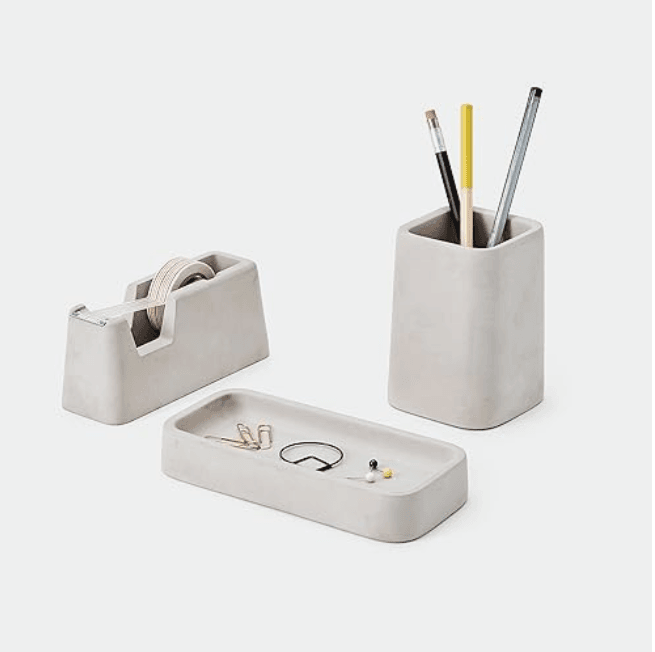
Areaware Concrete Desk Set
- Designed by London-based Magnus Pettersen
- Cast solid concrete; pen holder, tape dispenser, and tray
- The material does the work: the weight and surface of concrete make these objects feel permanent on a desk
Where Areaware sits in the contemporary design object market
Areaware occupies a specific and somewhat unusual position. It is not a furniture company. It is not a gallery. It is not a gift shop. The closest European parallel is the early Alessi model — the factory that commissions designers to make objects that are allowed to fail commercially in favor of winning formally. But Areaware does this at a price point and a scale that Alessi, with its Italian manufacturing infrastructure and brand premium, cannot reach. For a comparison with a European brand working a similar collaborative model, see Alessi: Design as Art. For a direct comparison with HAY’s Danish approach, see HAY Danish Design Brand. For curated picks from the catalog, see Best Areaware Gifts and Areaware vs HAY. For the broader context, see the Design Brands & Ateliers hub.
Frequently Asked Questions
What kind of company is Areaware?
Areaware is a Brooklyn-based design company founded in 2002. It commissions independent designers — both established and emerging — to produce objects that sit at the intersection of design intelligence and daily use. The company does not manufacture furniture. Its catalog spans toys, home accessories, desk objects, and storage, united by a single premise: that a well-designed small object is worth thinking about seriously.
How does Areaware select designers to work with?
Areaware selects designers whose work brings a specific formal or material intelligence to everyday objects — designers who have a point of view about what a thing should do and why. The collaborator list has included David Weeks (Cubebot), Harry Allen (Bank in the Form of a Pig), and Magnus Pettersen (Concrete Desk Set), alongside studios like Fort Standard and Ladies & Gentlemen. The common thread is that each designer is working out an idea, not just solving a commercial brief.
Where can I buy Areaware products?
Areaware products are available on Amazon, direct from areaware.com, and through specialty design retailers in the US and internationally. Amazon typically stocks the most commercially active pieces — the Cubebot, the Bank, and the Concrete Desk Set — with reliable availability. For specific product picks, see the guide to best Areaware gifts.
Is Areaware the same as HAY or Alessi?
No, but the comparison is useful. All three companies commission named designers to produce objects at accessible price points within a coherent design identity. Areaware operates at smaller scale and leans toward the playful and the formally intelligent. Alessi has a European manufacturing infrastructure and a longer history with architectural collaboration. HAY is a Danish brand focused on furniture and accessories within a Scandinavian design tradition. For the full comparison, see Areaware vs HAY.
Are Areaware products worth the price?
Areaware products are priced at the design-object level, not the commodity level. You are paying for the design decision, not just the material. As a functional object, the price is higher than a generic equivalent. As a design object that happens to function, it is competitive with comparable work from European brands at similar design quality.

About Zoe Post
Zoe Post holds a BFA and a Master of Architecture from the School of the Art Institute of Chicago. She now works as a product marketing leader at an architectural product design firm, bringing hands-on industry perspective to everything she writes. At ADI she covers contemporary artists, textile and pattern design, and the design objects that sit at the boundary of art and function.