

Conceptual art has produced two kinds of books: objects made by artists and critical histories written about them. LeWitt made diagrams. Weiner published propositions. Kosuth produced investigations. The best books on conceptual art are not one or the other. They are the argument between those positions, read together.
Our top picks
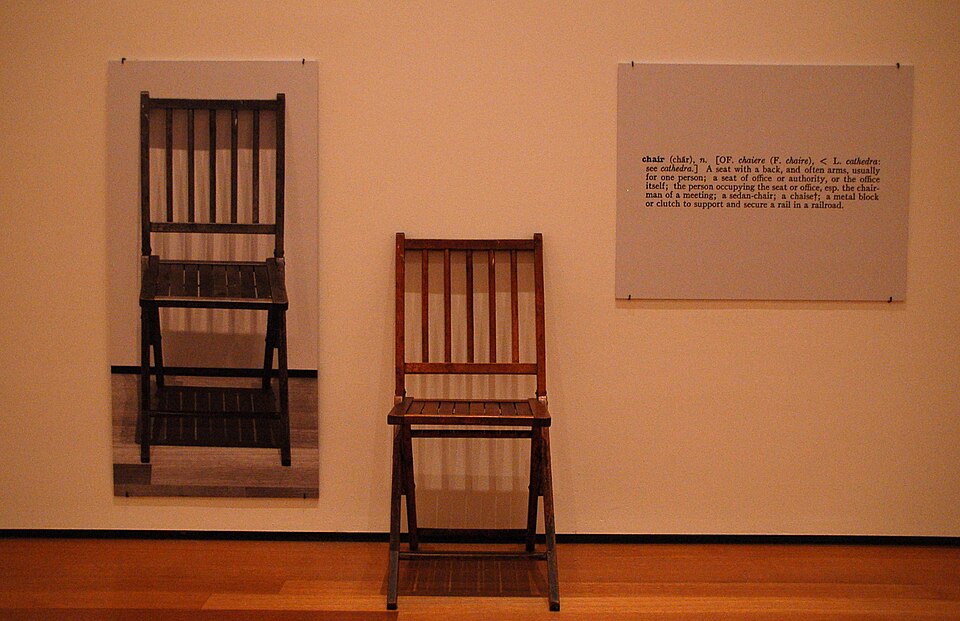
There are two ways to read about conceptual art. You can read what the artists said — the propositions, diagrams, and declarations they published as the work. Or you can read what critics made of it afterward. The honest answer is that neither is sufficient on its own. Lippard is the bridge: she was inside the movement while it was happening, and her book reads like both. Start there, then go in both directions.
1. Lucy Lippard, Six Years: The Dematerialization of the Art Object from 1966 to 1972 (Mid-Range)
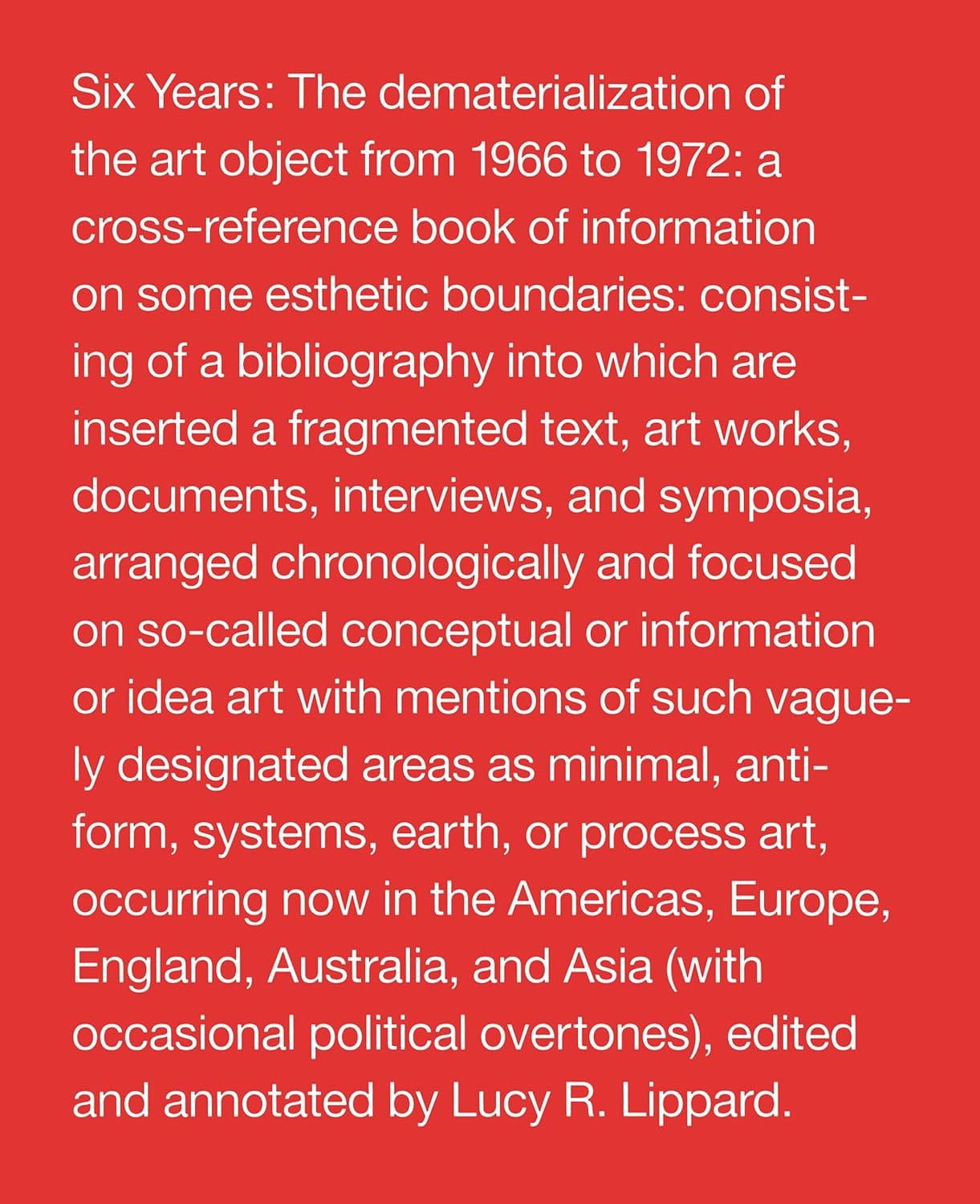
The form of the book is the argument. Lippard organized Six Years as a strict chronology — no chapters, no evaluative hierarchy, no retrospective judgment. Artists’ statements, exhibition notes, correspondence, and criticism appear side by side, simultaneous, letting the movement’s actual scope argue for itself. She was not a neutral observer; she organized exhibitions and worked with the artists she was documenting. That dual position makes the book something unusual: a primary source that is also criticism.
Lucy Lippard, Six Years: The Dematerialization of the Art Object from 1966 to 1972 (University of California Press, 1997 reissue) — If you own one book on this movement, own this one.
2. Alexander Alberro and Blake Stimson, eds., Conceptual Art: A Critical Anthology (Premium)
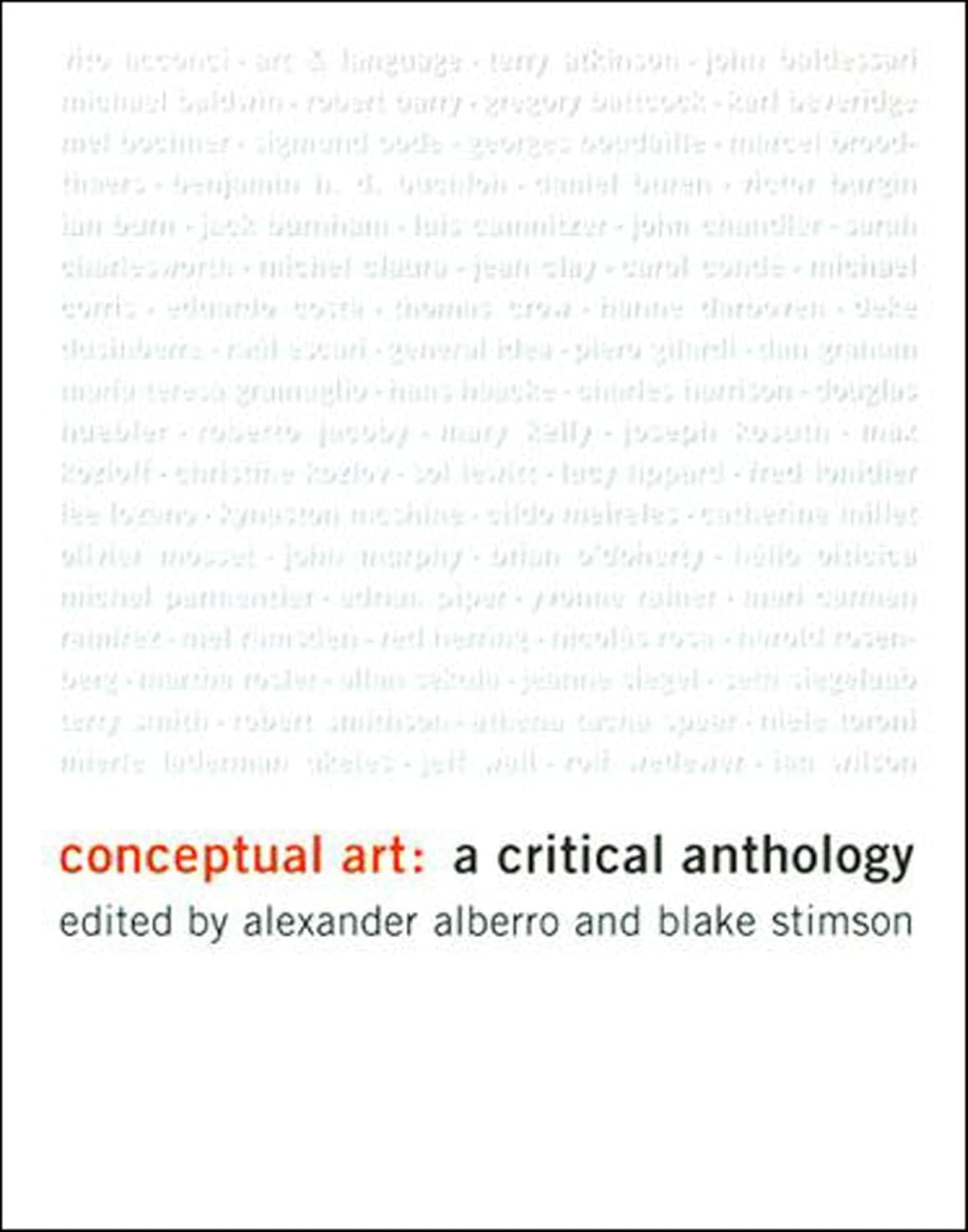
Six hundred and twenty-four pages of primary documents. Kosuth’s full “Art After Philosophy” text is here. So are LeWitt’s “Paragraphs,” Weiner’s statements, and fifty other artists and critics writing from inside the moment. The closest thing the movement has to a collected works, and the anthology that proved Lippard’s thesis about scope by simply assembling the evidence.
Alexander Alberro and Blake Stimson, eds., Conceptual Art: A Critical Anthology (MIT Press, 1999) — The archive. Buy it after Six Years, not instead of it.
3. Sol LeWitt: Incomplete Open Cubes, edited by Nicholas Baume (Mid-Range)
This is not a book about conceptual art. It is conceptual art. LeWitt enumerated every possible variation of an incomplete open cube — 122 of them — and the book presents all of them: drawn, photographed, diagrammed. There is no interpretive apparatus. The system produces the work, and the book is the system. Reading it without that frame is confusing. Reading it with that frame is one of the clearest demonstrations you will find of what LeWitt meant when he wrote, in “Paragraphs on Conceptual Art” (Artforum, June 1967), that “the idea becomes a machine that makes the art.” That machine logic is the engine of systems art, the movement this book quietly belongs to.
Sol LeWitt: Incomplete Open Cubes, edited by Nicholas Baume (MIT Press, 2001) — Not criticism; a demonstration.
4. Rosalind Krauss, The Originality of the Avant-Garde and Other Modernist Myths (Premium)
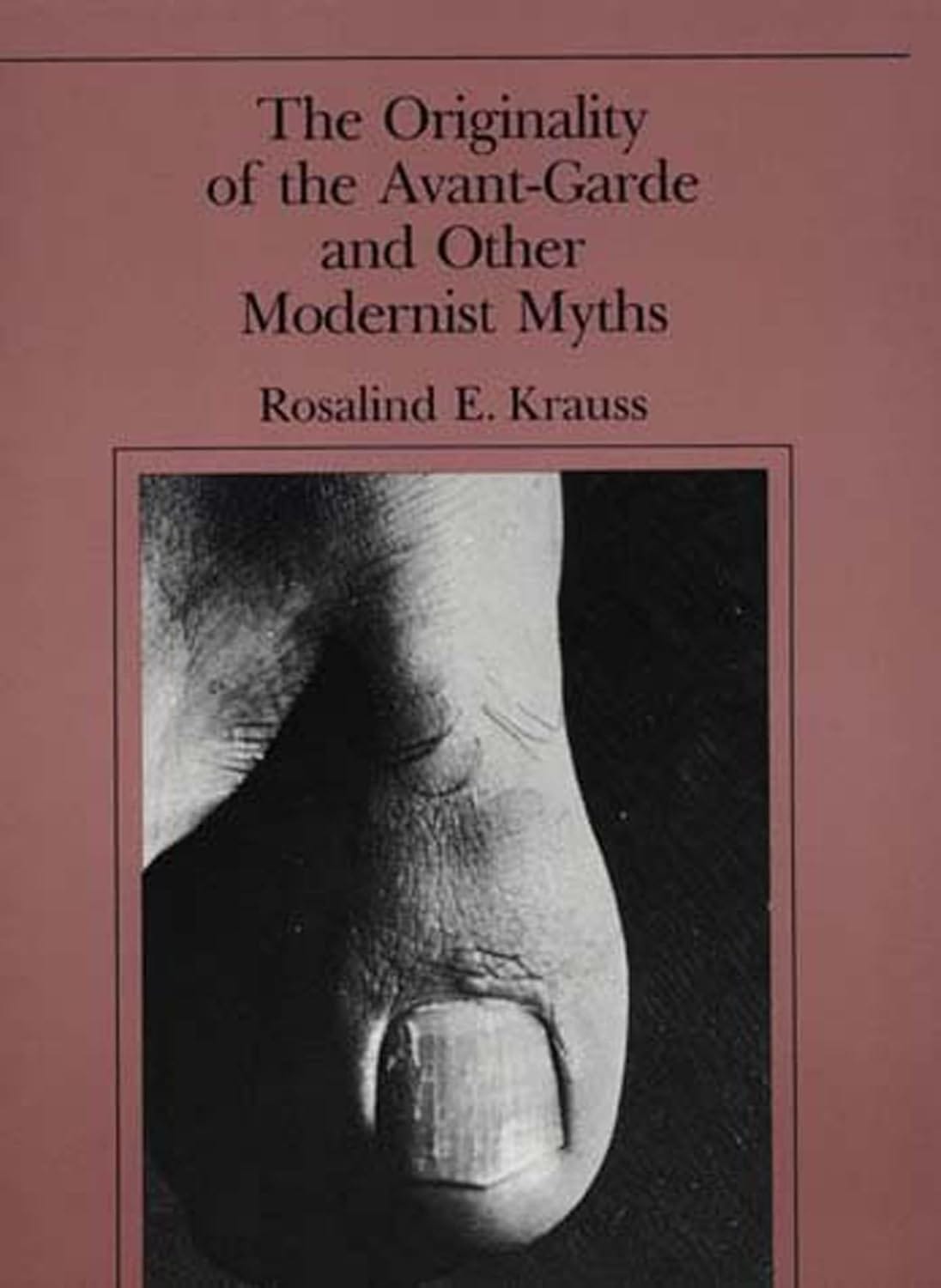
Fifteen essays, most originally published in October — the journal Krauss co-founded with Annette Michelson in 1976, which was the primary venue for this kind of theoretical work through the late seventies and into the eighties. The title essay argues that the avant-garde’s claim to originality is structurally impossible: originality requires a copy to define itself against. That argument is not a piece of criticism about conceptual art — it is the theoretical foundation the work was built on and, in some cases, was arguing back against.
Rosalind Krauss, The Originality of the Avant-Garde and Other Modernist Myths (MIT Press, 1985) — Difficult and worth it.
5. Roland Barthes, Image-Music-Text, translated by Stephen Heath (Mid-Range)
“The Death of the Author” was first published in Aspen magazine, no. 5+6, in 1967. LeWitt published “Paragraphs on Conceptual Art” in Artforum the same year. This is not coincidence. Barthes and the conceptual artists were responding to the same cultural pressure simultaneously — the question of what an author’s intention has to do with what a work means. Barthes’ answer: nothing. The reader produces meaning; the author is a fiction. That argument is eight pages long, and it is the theoretical permission slip for every work that is a proposition rather than an expression.
Roland Barthes, Image-Music-Text, translated by Stephen Heath (Hill and Wang, 1977) — Include this on your list and you will have to explain why. The explanation is the argument.
6. Edward Shanken, ed., Systems (Whitechapel: Documents of Contemporary Art) (Mid-Range)
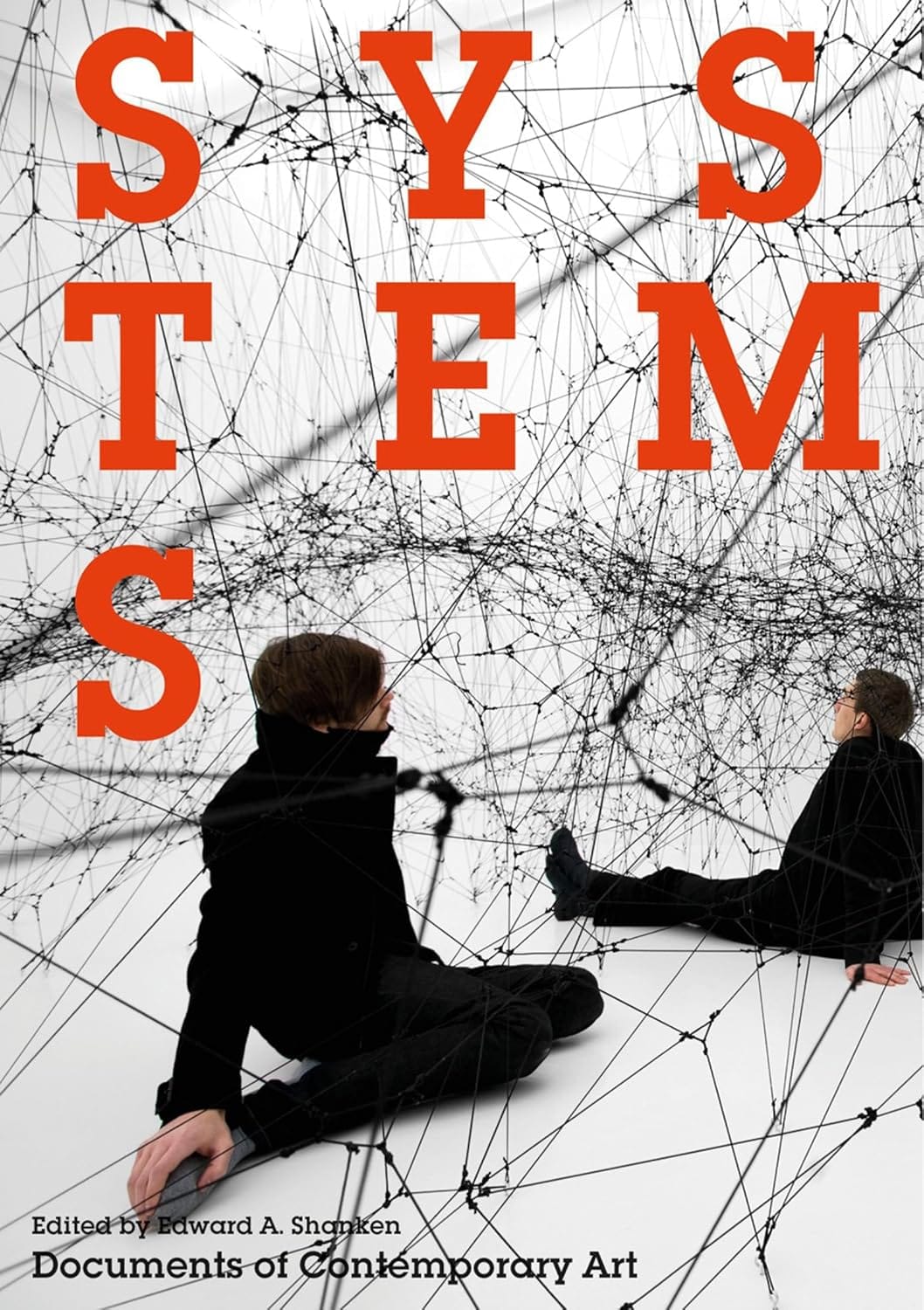
The Whitechapel series is itself a conceptual gesture: each volume argues for the importance of its theme by assembling the primary documents and critical responses in one place. Systems covers system-based art from the 1950s through its 21st-century resurgence, tracing the intersection of conceptual practice with cybernetics, information theory, and computation. At 240 pages it is the most manageable entry point here that still contains primary material rather than commentary.
Edward Shanken, ed., Systems (Whitechapel Gallery / MIT Press, 2015) — The gateway read. Start here if Lippard feels like too much at once.
Quick decision guide
The six picks above are not a ranked list. They are a reading order, and the order depends on where you are.
Best overall starting point: Lippard, Six Years — the map of the territory, built from the inside. Read this first, even if you read nothing else.
Best for understanding what artists were actually thinking: Alberro and Stimson, Conceptual Art: A Critical Anthology — primary documents, not retrospective interpretation. You want the texts themselves, not someone’s summary.
Best artist book to own: LeWitt, Incomplete Open Cubes — the work, not about the work. Own it once you understand why the distinction matters.
Best critical theory companion: Krauss, The Originality of the Avant-Garde — once you know what conceptual art was doing, Krauss explains what intellectual tradition made it possible. Not an entry point.
Best for design-adjacent readers: Whitechapel, Systems — the overlap between conceptual practice and information theory is where designers typically find the argument most legible.
Most provocative inclusion: Barthes, Image-Music-Text — if you own Lippard and Alberro and want to understand what theoretical frame the artists were working inside, Barthes is the answer. “The Death of the Author” is eight pages. No reason not to read them.
Full comparison
| Book | Type | Price Range | Key Reason to Own | Link |
|---|---|---|---|---|
| Lippard, Six Years | Critical history (from inside) | Mid-Range | Primary document and criticism simultaneously; the map of the movement | Buy |
| Alberro & Stimson, Conceptual Art: A Critical Anthology | Anthology | Premium | 624 pages of primary documents — the actual texts by Kosuth, LeWitt, Weiner | Buy |
| Sol LeWitt: Incomplete Open Cubes | Artist book | Mid-Range | Is conceptual art, not criticism of it; demonstrates the system-as-art thesis | Buy |
| Krauss, The Originality of the Avant-Garde | Critical theory | Premium | The theoretical apparatus the movement was working inside and against | Buy |
| Barthes, Image-Music-Text | Critical theory | Mid-Range | “The Death of the Author” — the permission slip for proposition-as-art | Buy |
| Shanken, ed., Systems (Whitechapel) | Anthology | Mid-Range | Most accessible entry that still contains primary documents; 240 pages | Buy |
| Arnheim, Visual Thinking | Critical theory | Mid-Range | What conceptualism was arguing against; Arnheim’s perceptual theory is the position LeWitt refuted | Buy |
What each book gets right — and where it stops
Lucy Lippard, Six Years
Pros:
- Is both primary source and critical history; Lippard was inside the movement
- The non-hierarchical, chronological structure is an argument about the movement’s scope
- Contains artists’ own words alongside Lippard’s documentation
Cons:
- Bibliography-heavy; assumes art-world familiarity
- No evaluative apparatus for readers arriving cold — you have to bring context with you
- The form that makes it interesting also makes it hard to navigate as a reference
Who it’s for: Anyone who wants to understand this movement rather than just read about it. Start here.
Why it stands apart: The book’s formal structure IS its argument, which makes it conceptual art criticism in the fullest sense.
Alberro and Stimson, Conceptual Art: A Critical Anthology
Pros:
- The movement’s canon in one volume — Kosuth’s full “Art After Philosophy,” LeWitt’s “Sentences,” Weiner’s statements
- International scope; not a New York-centric account
- The anthology format means you can read selectively without losing the thread
Cons:
- Six hundred and twenty-four pages; not casual reading
- The academic apparatus — notes, bibliography, editorial framing — can feel like scaffolding around texts that don’t need it
- Challenging entry point for readers who haven’t yet read Lippard
Who it’s for: Readers who already have a basic orientation and want the primary documents.
Why it stands apart: There is no other single volume that assembles this much of the actual writing.
Sol LeWitt: Incomplete Open Cubes
Pros:
- Is the work, not about the work
- Small enough to carry; is an object as well as a book
- Demonstrates the system-as-art thesis more directly than any prose description could
Cons:
- Not a verbal argument; if you want to understand why this matters, you need context before opening it
- Without that context, it reads as a book about cubes — obvious or profound depending on what you bring
- Nicholas Baume’s introductory essay helps, but it is brief
Who it’s for: Readers who already understand LeWitt’s argument and want to hold a proof of it.
Why it stands apart: The book enacts the thesis. That is not true of any other item on this list.
Rosalind Krauss, The Originality of the Avant-Garde
Pros:
- Theoretically rigorous; the title essay alone — fifteen pages — is worth the price
- The essays hold up because the arguments are structural, not trend-dependent
- Krauss writes clearly about difficult ideas; this is not impenetrable theory prose
Cons:
- Demands familiarity with Clement Greenberg’s formalism, with structuralism, and with the critical vocabulary of October
- Not an entry point; reading it cold is like arriving at the second act
- Some essays are more dated than others; the core arguments remain sound
Who it’s for: Readers who know what conceptual art was and want to understand the intellectual tradition that made it possible.
Why it stands apart: Krauss dismantled originality as an artistic value, which is the argument the movement was making from the inside.
Roland Barthes, Image-Music-Text
Pros:
- “The Death of the Author” is eight pages; “The Rhetoric of the Image” explains what images can and cannot say
- Short essays; you can read this in the order that serves you
- The temporal coincidence with conceptual art’s formation (both 1967) is not incidental
Cons:
- Translated from French; the translation is good, but some of the precision is lost
- Assumes familiarity with semiology — you need to know roughly what a sign is
- The connection between Barthes and visual art requires explanation that the book does not provide; you bring that
Who it’s for: Readers who want to understand what theoretical frame the conceptual artists were working inside, whether they knew it or not.
Why it stands apart: The argument that meaning is produced by the reader, not encoded by the author, is the theoretical license for every work that is a proposition rather than an expression.
Edward Shanken, ed., Systems (Whitechapel)
Pros:
- The Whitechapel series format — themed anthology, manageable length — is the most useful in this genre
- Bridges art and technology; covers the overlap between conceptual practice and cybernetics, information theory, and computation
- 240 pages; you can finish it
Cons:
- Systems art is a subset of conceptual art; some readers will want a broader entry first
- Shanken’s focus on cybernetics skews the anthology toward computation and away from the language-based work of Kosuth and Weiner
- The introductory apparatus, while useful, sometimes over-explains texts that speak for themselves
Who it’s for: Design-adjacent readers who find the connection between conceptual art and systems thinking the most legible entry point.
Why it stands apart: Bridges design thinking and art practice in a way that none of the other books on this list attempt.
What conceptual art was actually arguing — and why the design-adjacent reader should care
Conceptual art made a specific historical argument in a specific historical moment. From roughly 1966 to 1972, artists in New York, London, and Cologne were working through a refutation of Clement Greenberg’s formalism. Greenberg had argued in “Modernist Painting” (1960) that the quality of painting was reducible to its formal properties: color, flatness, composition. The conceptual artists’ answer was that this was circular — that it defined quality in terms of the visual properties that painting already had, which proved nothing about what painting was for.
LeWitt’s position, stated in “Sentences on Conceptual Art” (Art-Language, vol. 1, no. 1, 1969): “Ideas alone can be works of art; they are in a chain of development that may eventually find some form.” Kosuth’s position, from “Art After Philosophy” (Studio International, October–December 1969): a work of art is a tautology. It cannot be about the world because it only refers to itself as art. Weiner’s “Declaration of Intent” (1968) went further: “The piece need not be built.” The artist’s hand, and by extension the visual object, was optional.
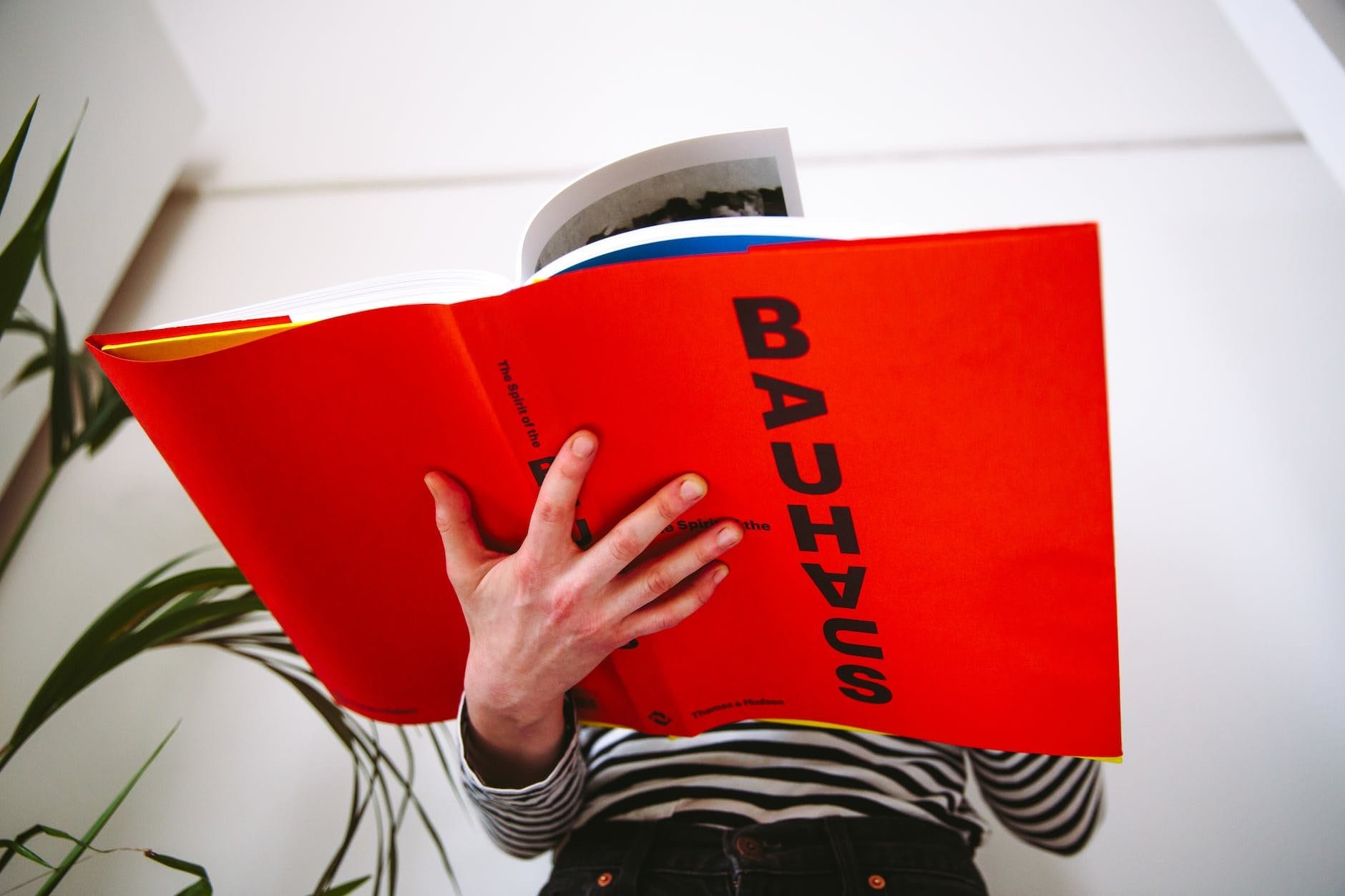
For the design-adjacent reader, the reason this matters is precise. Conceptual art was making the same argument that industrial design was quietly making from a different direction: that the idea of the object — its brief, its system, its constraint — is more important than its physical execution. The same rejection of decoration that drove the Bauhaus and the argument about form that produced the best of mid-century design practice are structural cousins of what LeWitt was doing with cubes. The books that come out of design’s other great argument with itself sit on the same shelf as these.
For further reference on how the broader shelf of art books worth owning relates to this specific argument, the conceptual art titles here are the theoretical core — the books that explain why art spent a decade refusing to be an object.
Rudolf Arnheim’s Visual Thinking (University of California Press, 1969) is also worth reading because LeWitt was, in part, arguing against it. Arnheim’s central claim was that perception is cognition — that visual form carries meaning intrinsically. LeWitt said the opposite. Own both and the argument becomes audible.
Rudolf Arnheim, Visual Thinking (University of California Press, 1969) — Read it as the position LeWitt was refuting. The disagreement clarifies both sides.
Further reading
Two books that extend the argument without duplicating the core list.
Rudolf Arnheim, Visual Thinking (University of California Press, 1969): The perceptual theory that conceptual art was, in part, constructed against. If Arnheim is right — that visual form carries meaning intrinsically — then LeWitt is wrong. Own it to hear the disagreement.
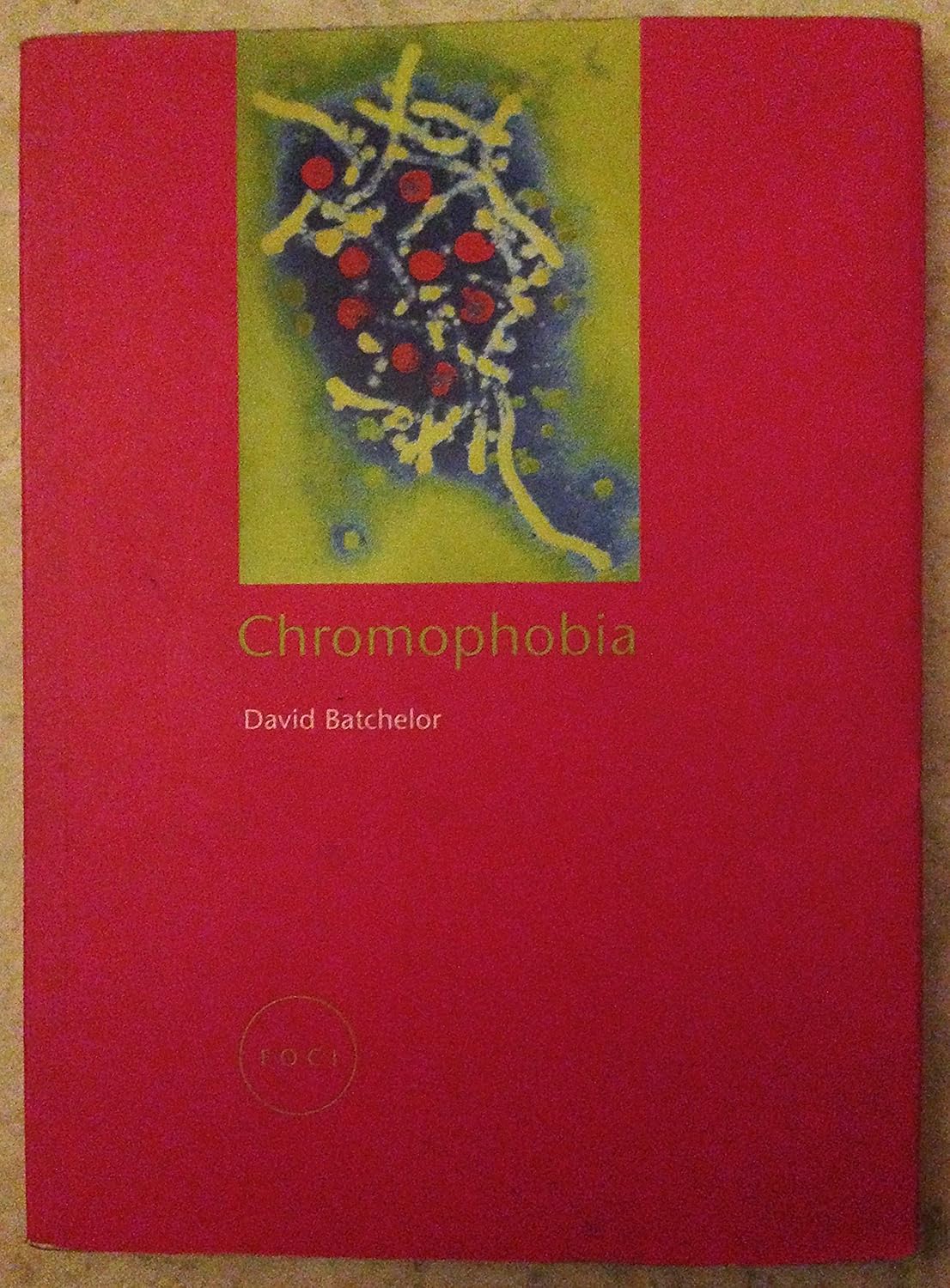
David Batchelor, Chromophobia (Reaktion Books, 2000): An argument that Western culture has systematically suppressed color, associating it with the primitive, the feminine, the excessive. The whiteness of early conceptual art — blank walls, typed texts, black-and-white documentation photographs — is the chromophobia Batchelor names. Once you see it, you cannot unsee it.
Frequently asked questions
What is the best first book on conceptual art for beginners?
Lucy Lippard’s Six Years: The Dematerialization of the Art Object from 1966 to 1972 (University of California Press, 1997 reissue). It is not an easy book — Lippard assumes you are willing to work — but it is the only book that takes you inside the movement as it was forming rather than explaining it from outside afterward. Start with the introduction, then read chronologically until the argument becomes visible.
What is Lucy Lippard’s Six Years about?
Lippard documented the dematerialization of the art object from 1966 to 1972: the period when artists in New York, Europe, and South America began making work that could not be owned, collected, or displayed in the conventional sense. The book is organized as a strict chronology — no evaluative hierarchy, no retrospective judgment — embedding artists’ statements, exhibition notes, and correspondence without ranking them. The form is the argument: by refusing to organize the material, Lippard lets the movement’s scope and simultaneity argue for themselves.
Is Sol LeWitt’s Incomplete Open Cubes a book you can read, or just look at?
Both, but in that order. Nicholas Baume’s introductory essay explains the system; the book then presents all 122 variations of an incomplete open cube — drawn, photographed, enumerated. There is no prose after the introduction. Whether you find this obvious or profound depends entirely on whether you accept the premise that a complete system is itself a work. LeWitt thought it was. If you agree, the book is one of the clearest demonstrations of the argument he made in “Paragraphs on Conceptual Art” (Artforum, 1967). If you do not agree, it is a book about cubes.
How is conceptual art different from other modern art movements?
The useful distinction is structural. Most modern art movements — Impressionism, Cubism, Abstract Expressionism — disagreed about how to make visual work. Conceptual art disagreed about whether visual work was necessary at all. Kosuth’s argument in “Art After Philosophy” (1969) was that once you understood what a work was proposing, the physical object was redundant. LeWitt’s argument was that the idea was the work; the execution was merely a trace. That is a different argument from “we paint differently than Cézanne.” The artist’s relationship to the physical object has never fully recovered from it.
What books do conceptual artists actually read?
The overlap between the reading list and the production list is substantial. The Alberro and Stimson anthology (Conceptual Art: A Critical Anthology, MIT Press, 1999) contains the primary texts — Kosuth’s “Art After Philosophy,” LeWitt’s “Sentences,” Weiner’s “Declaration of Intent” — that the artists themselves wrote and circulated. Lippard’s Six Years includes correspondence between artists, which means portions of it read like a collective working document rather than criticism. The Whitechapel Systems volume gathers later reflections by artists on work they made in the late 1960s and 1970s. So the short answer: this list.
Are Barthes and Krauss necessary for understanding conceptual art?
Not strictly necessary, but the gap you feel without them is real. Conceptual art’s argument about authorship, intention, and meaning did not develop in a vacuum — it developed alongside structuralist and post-structuralist theory, much of it coming from France at the same moment. Barthes’ “The Death of the Author” (1967) and Krauss’s essays in The Originality of the Avant-Garde (MIT Press, 1985) are not causal explanations of conceptual art. They are the theoretical ecology in which it grew. You can understand what Kosuth was doing without reading them. You understand it differently — more fully — if you do.
See also: Conceptual Art After Minimalism, How to Read Conceptual Art, The Best Books on Contemporary Painting

About Joe Post
Joe Post holds an MFA in Art from California Institute of the Arts (CalArts) and has done additional graduate work at the School of the Art Institute of Chicago. He founded Art Design Ideas to write about design as cultural argument — the decisions, contradictions, and assumptions built into the objects we live with.