
Vico Magistretti furniture is the body of chairs, sofas, lamps, and storage the Milanese architect (1920–2006) designed mainly for Cassina, Artemide, Oluce, and De Padova between 1959 and the early 2000s. The work treats mass production as an ethical position: simple geometries, honest materials, and objects engineered for the long run.
What Magistretti was arguing about postwar Italian living

Milan in 1945 had a buildings problem and a chairs problem. Vico Magistretti, graduating from the Politecnico di Milano that year after spending part of the war in Lausanne, where he met Ernesto Nathan Rogers of the BBPR group, understood both were the same problem. Reconstruction was not just a matter of shelter. It was a matter of what Italians would live with inside that shelter: whether the domestic objects of the new Italy would be precious or common, expensive or available, designed for a showroom or designed for a life.
That framing drove the whole career. Magistretti came from a family of Milanese architects. His father was Pier Giulio Magistretti, his grandfather Gaetano Besia. He inherited both the studio practice and the city’s design culture. By the mid-1950s that culture had its institutions: the Triennale di Milano, the magazine Domus under Gio Ponti, and from 1956, the ADI (Associazione per il Disegno Industriale) with its Compasso d’Oro prize, first awarded in 1954. Magistretti moved through all of them, sitting on juries, entering competitions, teaching at the Politecnico. He was not a solitary figure. He was part of a generation that was building Italian design infrastructure in real time, and he knew it.
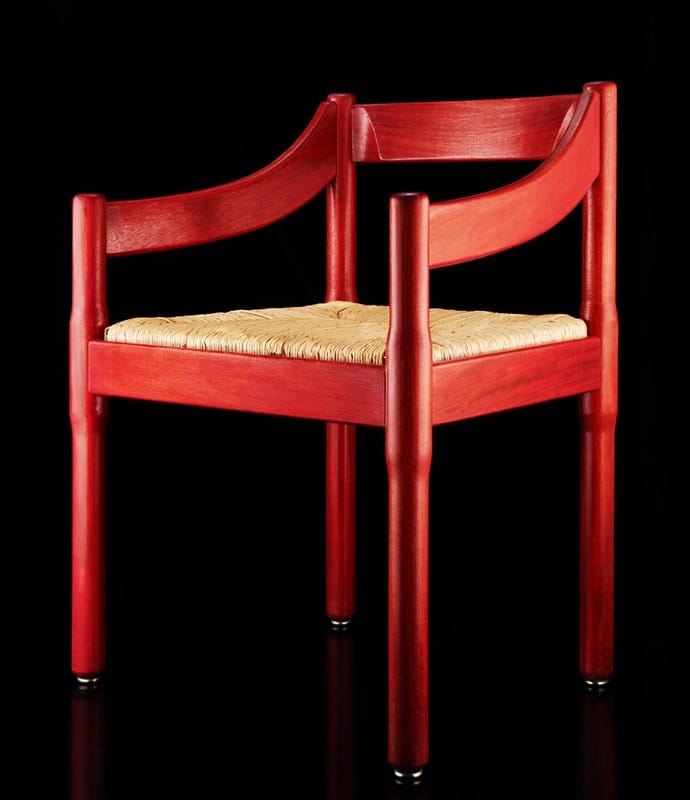
Among the designers ADI covers in the mid-century seating canon, Magistretti occupies a specific position: the designer who kept his eye on cost, on durability, and on what ordinary Italian households could actually use. The turn in his career came in 1959 with the Carimate chair. Designed originally for the Golf Club Carimate clubhouse, it was then taken into production by Cassina. It was a simple beech frame painted lacquer red, with a rush seat borrowed from Lombard country tradition. The premise was that vernacular forms and factory production were not incompatible. You did not have to abandon craft knowledge to make something that cost less. That argument would define the next forty years.
Magistretti knew what Arne Jacobsen’s Series 7 had established in Scandinavia: that good industrial design could reach a mass market without surrendering formal clarity. But the Italian answer was different in temperature and in material confidence. Where Jacobsen’s chairs carry a kind of refined anxiety, Magistretti’s carry a rigorist ease. The man who described his working motto as “There is no excuse for bad design” (quoted in a Designboom interview and repeated on the Cassina and Fritz Hansen designer pages) was not making a slogan. He was stating a professional obligation, and the obligation ran toward the user, not toward the critic.
The generation after Magistretti, the Memphis Group that followed in the 1980s, would declare him too rational, too restrained. They were not wrong about the rationalism. They were wrong that restraint was the same thing as conservatism.
There is no excuse for bad design — Magistretti stated a professional obligation that ran toward the user, not toward the critic.
Why Magistretti’s plastic is not the same argument as French or German plastic
Plastic in design history has been used to argue several different things. Verner Panton used it to argue for the future: his 1967 single-piece stacking chair, discussed on this site’s Verner Panton’s single-piece plastic chair profile, is a futurist object. It wants to look like it was made somewhere other than a factory floor, somewhere closer to a spaceship interior. The argument is that plastic can liberate form from material constraint.
Magistretti’s argument is different. The Selene chair (Artemide, 1969) is a single ABS molding. The same formal fact as the Panton chair. But the reasoning behind it is rationalist rather than futurist. The S-curved leg is structural, not rhetorical. It adds rigidity to the plastic in the same way a corrugated fold adds rigidity to cardboard. The Selene does not want to look like the future. It wants to carry a person’s weight reliably, in a color that does not cost extra, and to be replaced when the time comes without grief. At peak production, Artemide reportedly made one Selene every five minutes. That production rate was not incidental to the design. It was what the design was for.
The Selene does not want to look like the future. It wants to carry a person’s weight reliably, in a color that does not cost extra.
Cassina’s maestri page on Magistretti describes his working method as a “designer-manufacturer dialogue.” Magistretti sketched on newspapers, plane tickets, whatever was at hand, then handed the sketch to Cesare Cassina or Ernesto Gismondi at Artemide and let the factory tell him what was buildable. This is why his objects are almost always producible at scale. The factory constraint was built into the design from the first pass, not resolved as a separate engineering problem afterward.
The Eclisse lamp (Artemide, 1965; in production 1967) won the Compasso d’Oro in 1967. The Atollo lamp (Oluce, 1977) won it in 1979. Both designs are held in the permanent collections at MoMA and the Metropolitan Museum of Art. The Maralunga sofa (Cassina, 1973) also won a Compasso d’Oro. These are not the awards of a designer making eccentric objects for collectors. They are the awards of a designer solving the same problem repeatedly (how to make something that millions of people can live with) and getting it right.
The parallel that clarifies Magistretti’s position is not Panton but Dieter Rams’s parallel rigorism at Braun. The idea that good design is obligated to the user. That simplicity is an ethical rather than an aesthetic position. That “no excuse for bad design” means bad design has victims. Rams codified his version as ten principles. Magistretti never codified his. He just made the objects.
What Vico Magistretti furniture actually argues for
Five objects make the argument clearly.
The Carimate Chair (Cassina, 1959) is a painted beech frame in lacquer red (though other colors followed) with a rush seat drawn from Lombard vernacular furniture. It was originally designed for the Golf Club Carimate clubhouse and then taken into production after Cassina saw the response. The Carimate proved the premise: a country chair’s knowledge could survive industrialization. Nothing about it is sentimental about craft; everything about it respects craft knowledge.
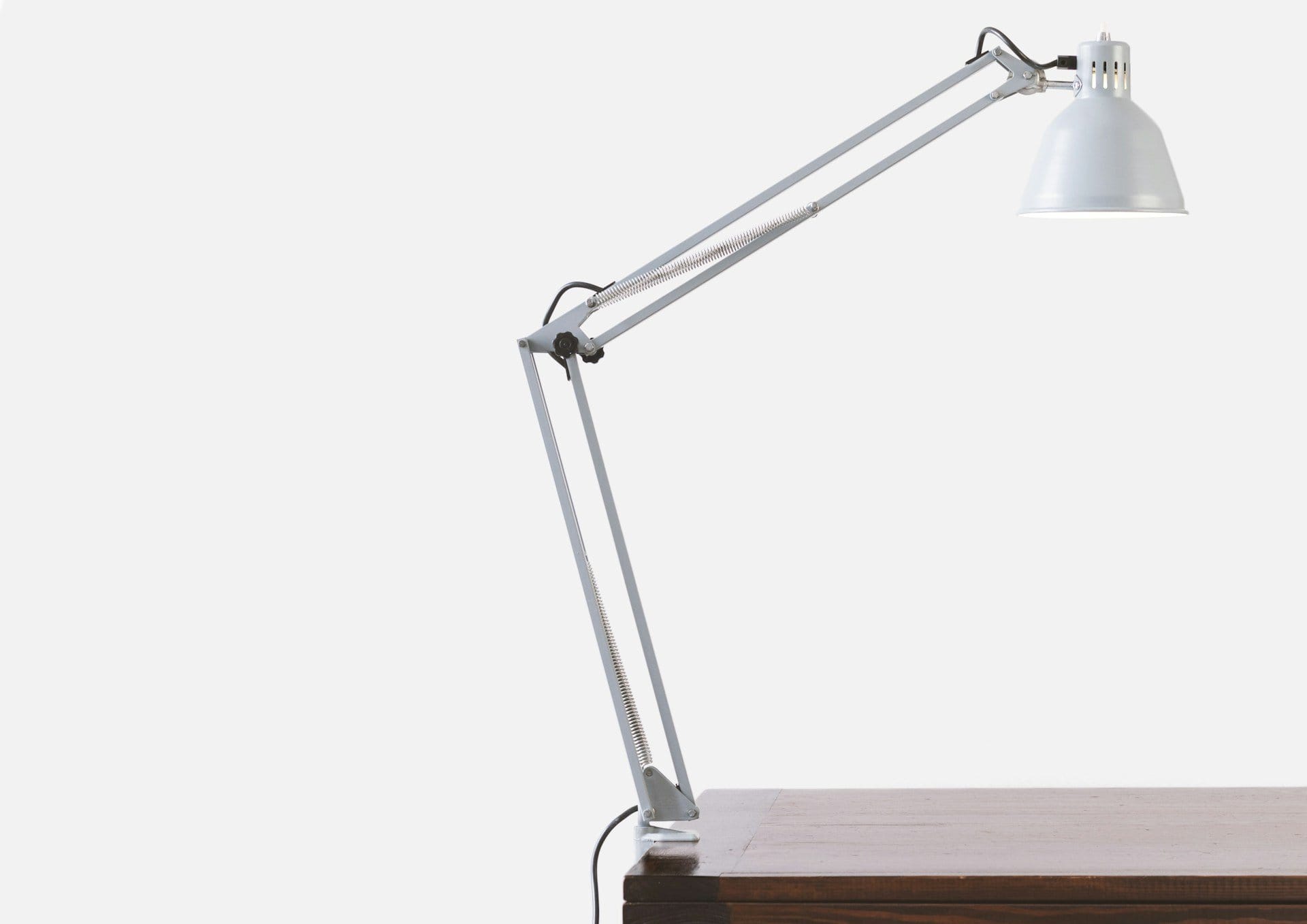
The Eclisse Lamp (Artemide, 1965 / production 1967) consists of three nested aluminum hemispheres. The inner shell rotates by hand. It “eclipses” the bulb, dimming the light without a dimmer switch, without a separate mechanism, without any component the user can break or lose. The design is its own dimmer. Compasso d’Oro 1967. As documented on the Artemide Eclisse page, the lamp remains in production today, essentially unchanged.
The Selene Chair (Artemide, 1969) is a single ABS molding. The S-curved leg cross-section is what gives it structural integrity. The curve works mechanically, the way a corrugated sheet works. Available in bold primary colors. One piece, no fasteners, no assembly. The object is the argument.
The Maralunga Sofa (Cassina, 1973) has a hinged headrest. A small steel mechanism inside the cushion lets the back fold up or down. It is not a dramatic feature. It is a quiet one. But it means the sofa can be a reading seat or a sleeping seat depending on the hour, and it can stay in the same room without needing a second piece of furniture to do both jobs. Compasso d’Oro 1979. Still in the Cassina catalogue after more than fifty years.
The Atollo 233/237 Lamp (Oluce, 1977) is a cylinder, a cone, and a hemisphere in lacquered aluminum. Compasso d’Oro 1979. The Oluce designer page describes it simply as the reduction of a lamp to its geometric essentials. What Magistretti did was remove every part of the lamp that was not the lamp. What remained was three forms that the lamp requires to exist.
Shop the collection
Magistretti’s lamps are the objects most people can actually own without a vintage hunt. Both the Eclisse and the Atollo are current-production pieces from their original manufacturers, Artemide and Oluce, built to the same specification as the award-winning originals.
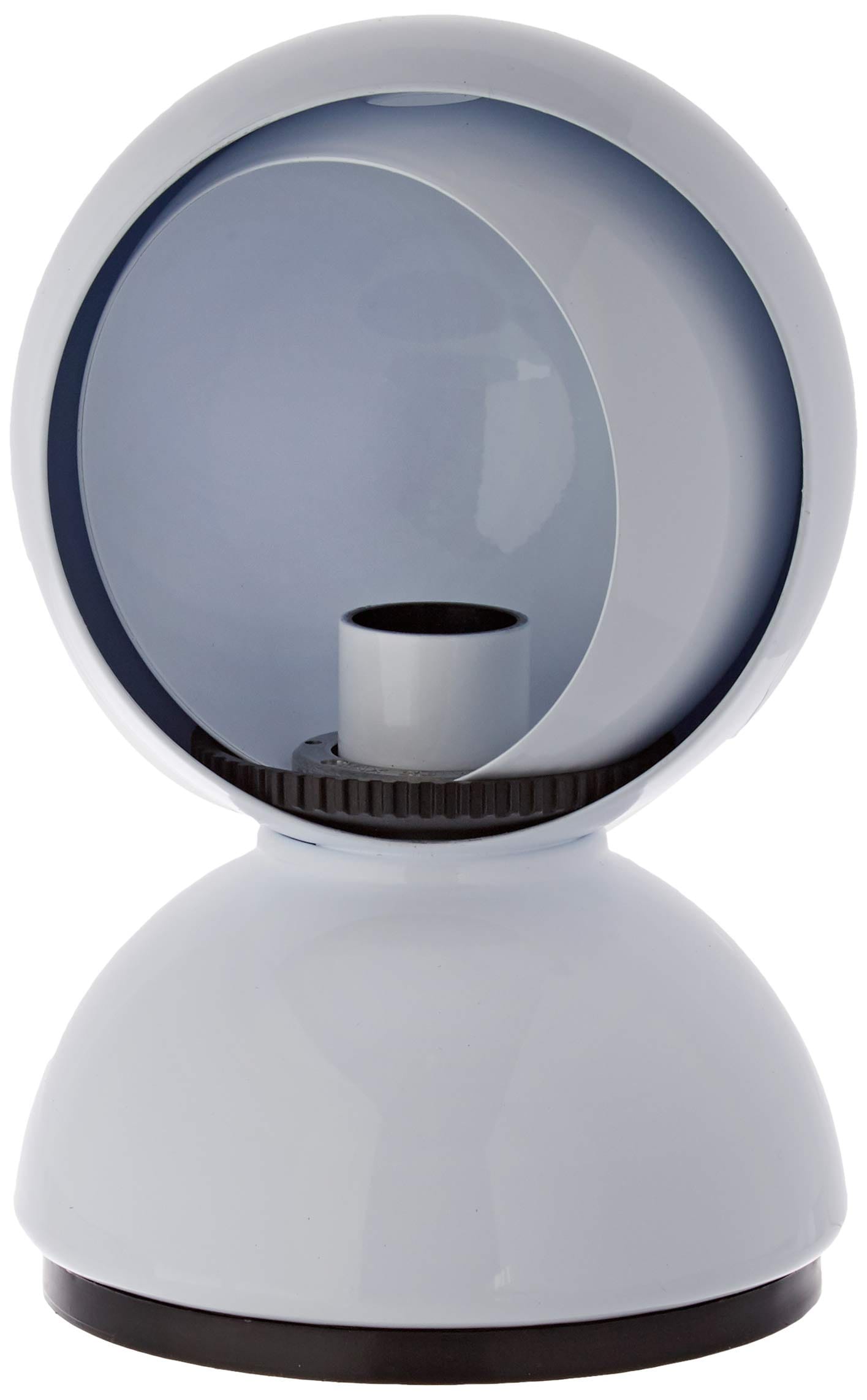
Artemide Eclisse Table Lamp (White)
The simplest way to own a Magistretti object. A current-production Artemide piece that works exactly as the 1967 design intended, with the rotating inner shell as its only control.
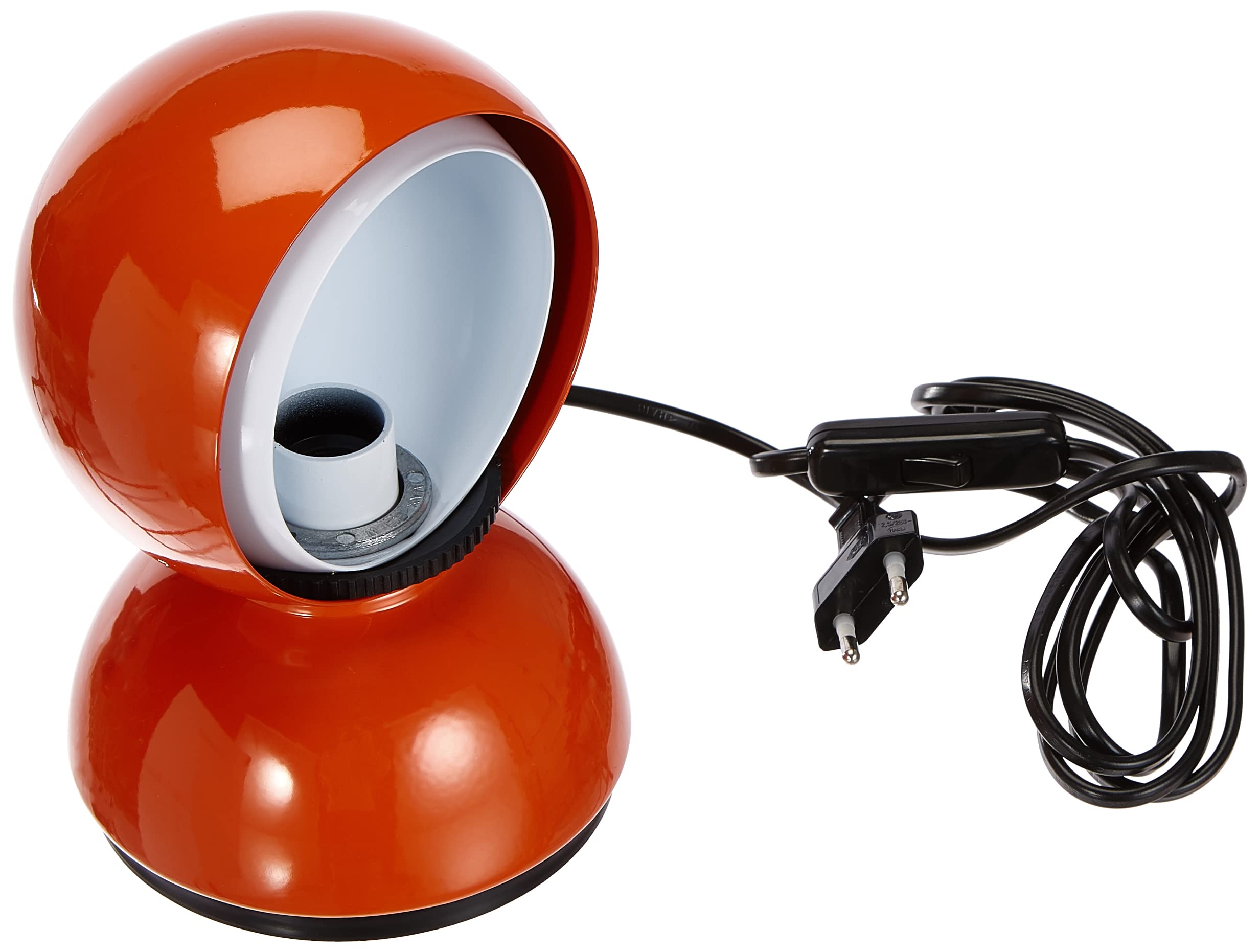
Artemide Eclisse Table Lamp (Orange)
The orange version is the canonical Eclisse. It is the color in the MoMA photographs, and it is the one that reads as a designed object rather than a neutral fixture.
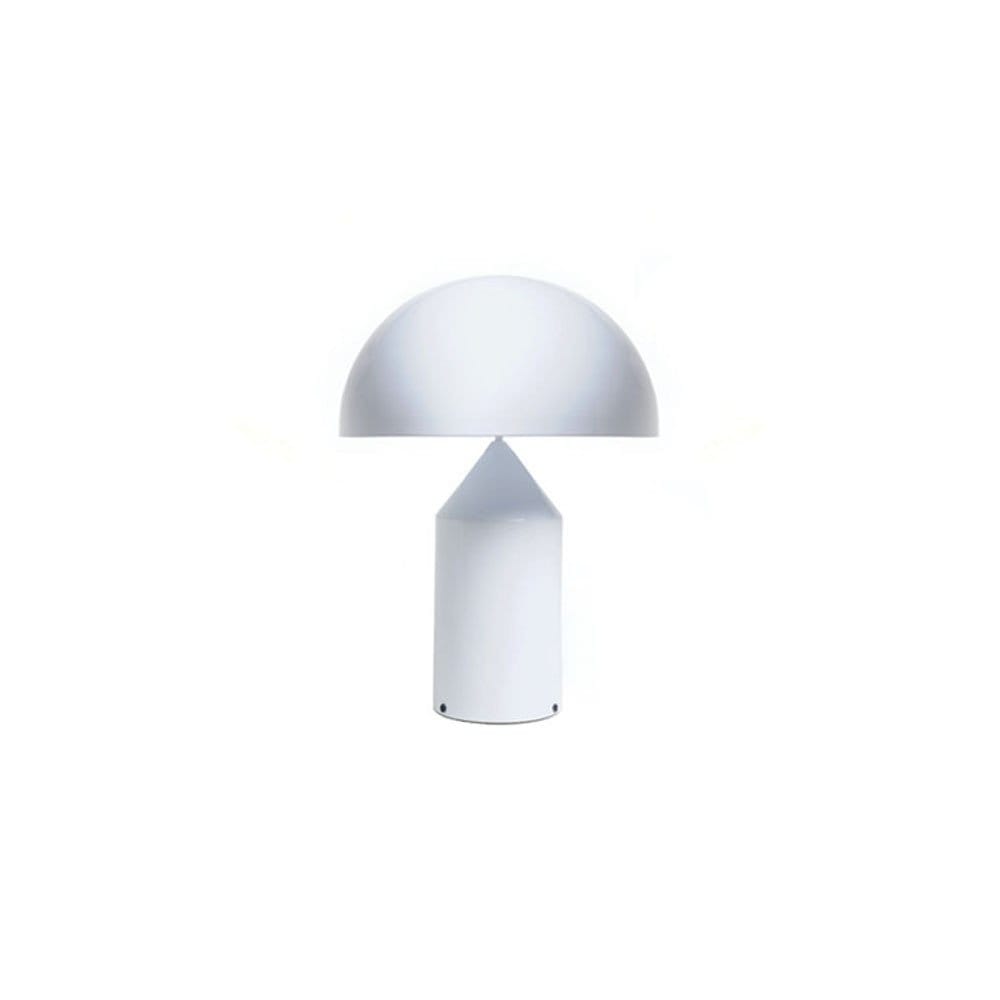
Oluce Atollo 237 Table Lamp
A current-production Atollo from Oluce. The original manufacturer, not a vintage gamble. The cone-cylinder-hemisphere geometry is the entire design; nothing about it has dated because none of it was ever about a moment.
Further reading
There are three books on Magistretti worth owning. They cover different angles: the working process, the drawings, and the historical position.
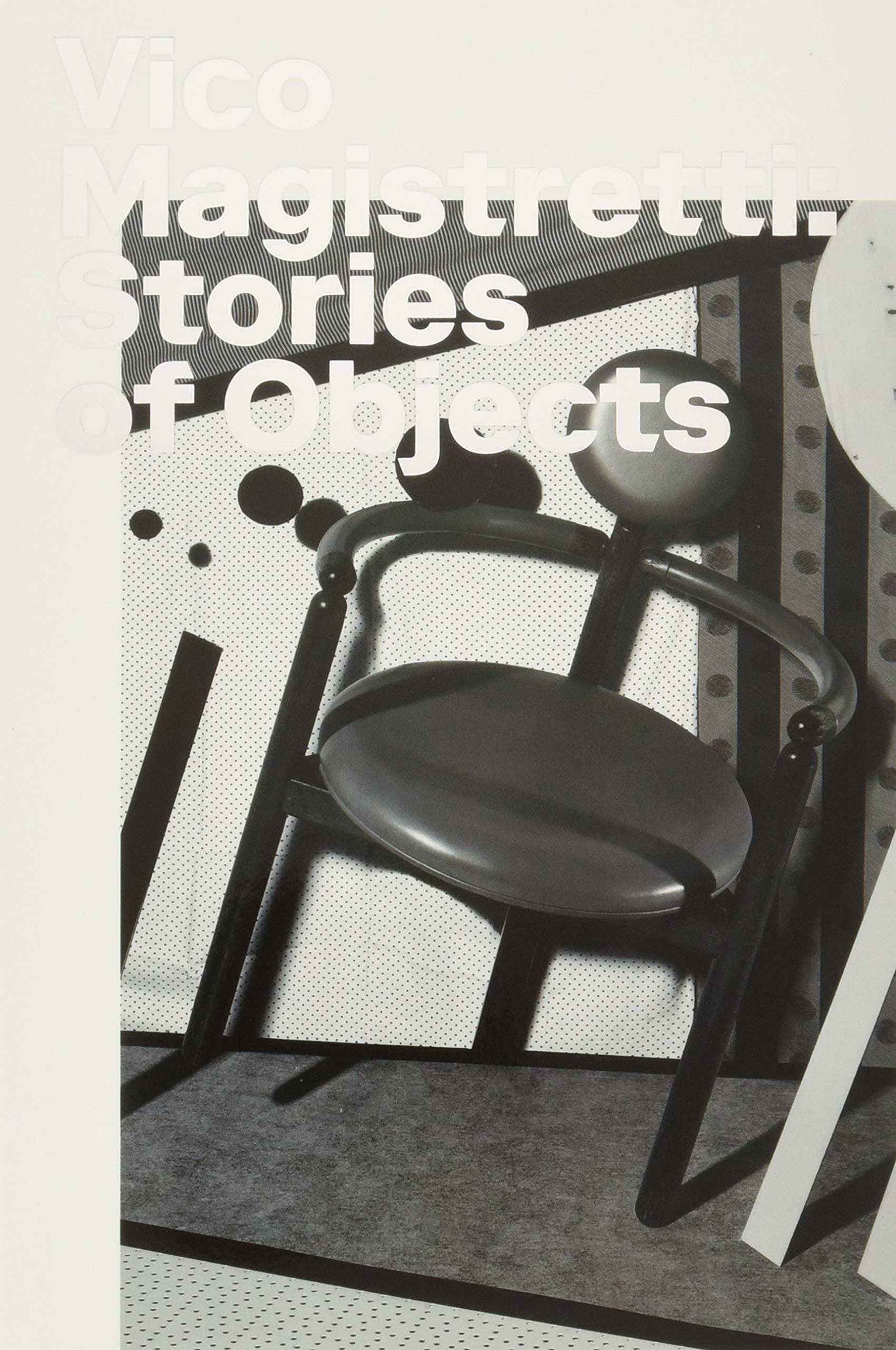
Anniina Koivu (ed.), Vico Magistretti — Stories of Objects (Lars Müller, 2021)
The Vico Magistretti Foundation’s official monograph treats twelve objects as working case studies: sketches, factory correspondence, prototypes, the whole back-and-forth that produced the finished design. It is the closest thing to watching Magistretti work.
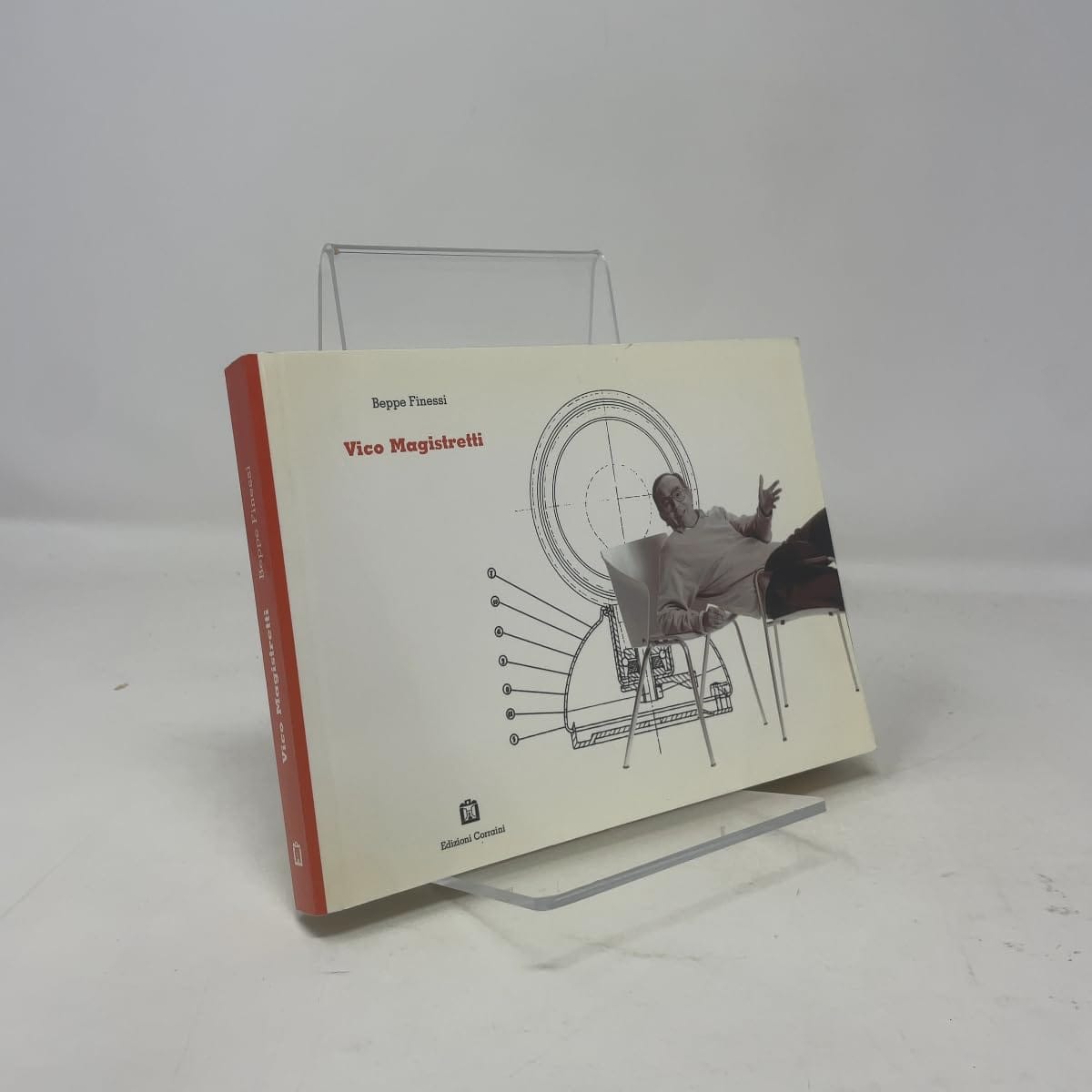
Beppe Finessi, Vico Magistretti (Corraini Edizioni)
Finessi’s catalogue is leaner and organized around Magistretti’s drawings. It is the right book if you want to see how the designs were thought, not how they were marketed.
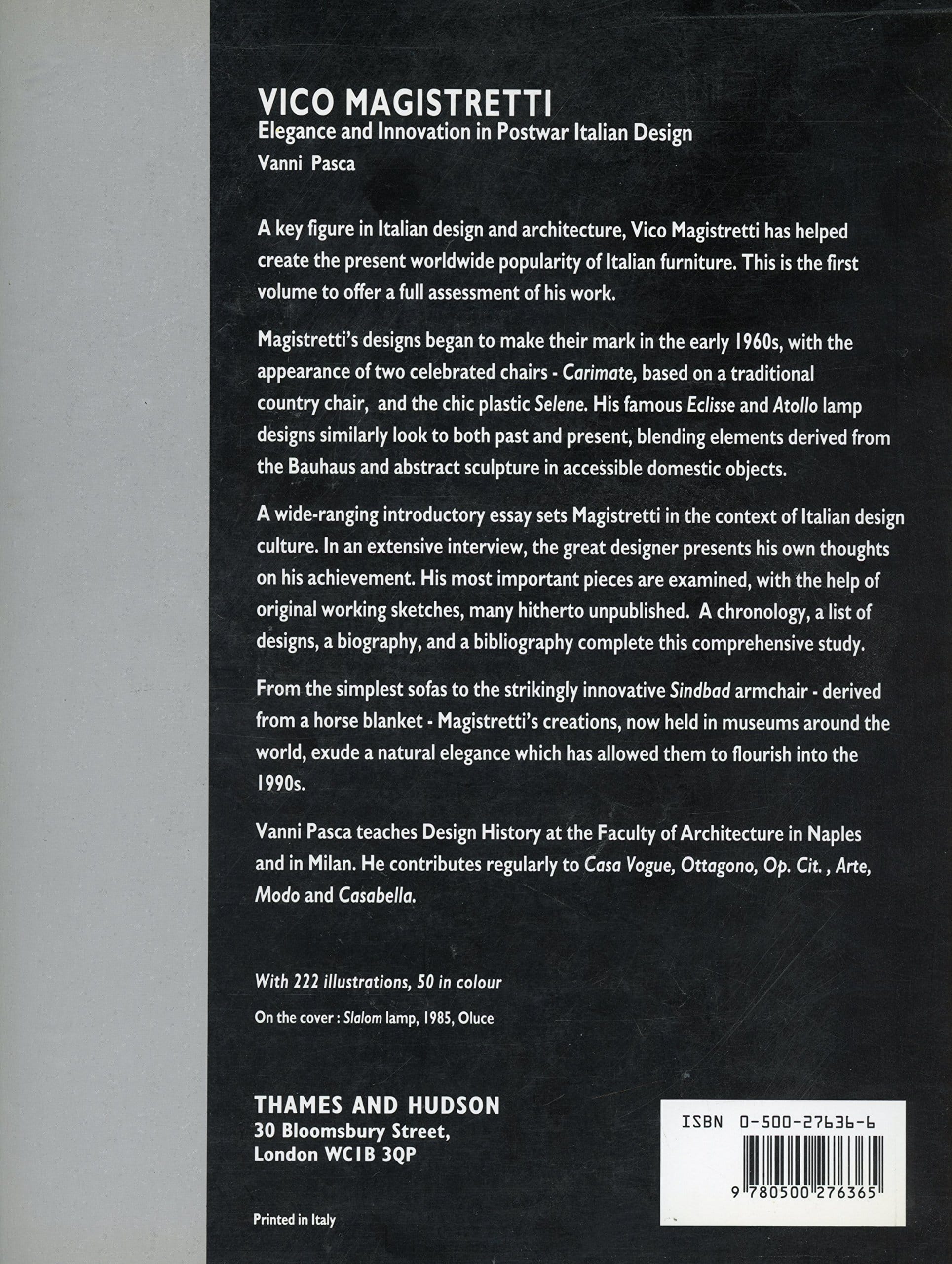
Vanni Pasca, Vico Magistretti: Elegance and Innovation in Postwar Italian Design (Thames & Hudson)
The English-language academic study. Pasca situates Magistretti inside the Italian postwar design system (Triennale, Domus, ADI, Compasso d’Oro) so the work reads as a position, not just a portfolio. This is the book that explains why Magistretti could not have happened anywhere but Milan.
Frequently asked questions
Who was Vico Magistretti?
Vico Magistretti (1920–2006) was a Milanese architect and industrial designer who trained at the Politecnico di Milano and built a career across architecture and product design. He is best known for furniture and lamps designed for Cassina, Artemide, and Oluce. Objects that treated mass production as a way to bring serious design to a broad audience, not a compromise of it.
What is Vico Magistretti most famous for?
Magistretti is most famous for the Eclisse lamp (Artemide, 1967), the Selene chair (Artemide, 1969), the Maralunga sofa (Cassina, 1973), and the Atollo lamp (Oluce, 1977). The Eclisse and Atollo each won the Compasso d’Oro and are held in the permanent collections of MoMA. The Maralunga is still in production.
Is Vico Magistretti furniture still in production?
Yes. Cassina continues to produce the Carimate chair and the Maralunga sofa. Artemide produces the Eclisse lamp. Oluce produces the Atollo. These are not licensed reproductions. They are uninterrupted production runs from the original manufacturers, made to the original specifications.
Why did Magistretti design in plastic?
Magistretti used plastic (primarily ABS) because it allowed him to produce structurally sound, formally clear objects at a price that made them available to ordinary households. The Selene chair’s S-curved leg is an engineering solution, not a stylistic flourish. The curve gives the single-piece molding its structural rigidity. The goal was not to make plastic look modern. The goal was to make a serious chair cheap enough that it did not have to be precious.
How many Compasso d’Oro awards did Vico Magistretti win?
Magistretti won multiple Compasso d’Oro awards. The documented prizes are the 1967 award for the Eclisse lamp and the 1979 award for the Atollo lamp. The Maralunga sofa and Carimate chair are also cited in connection with the prize in various sources. He also received the Medaglia d’Oro (Minerva Medal) in 1986.
Where can you see Vico Magistretti furniture in a museum?
The Museum of Modern Art (MoMA) in New York holds Magistretti work in its permanent collection, including the Eclisse lamp. The Centre Pompidou in Paris and the Metropolitan Museum of Art in New York also hold pieces. The Vico Magistretti Foundation in Milan maintains an archive and mounted the research behind the 2021 Lars Müller monograph.

About Joe Post
Joe Post holds an MFA in Art from California Institute of the Arts (CalArts) and has done additional graduate work at the School of the Art Institute of Chicago. He founded Art Design Ideas to write about design as cultural argument — the decisions, contradictions, and assumptions built into the objects we live with.