
Nina Akamu (born 1955 in Midwest City, Oklahoma) is a Japanese-American sculptor best known for completing Leonardo da Vinci’s unfinished equestrian monument. The colossal 24-foot bronze horse stood unmade for 500 years. Working from Leonardo’s Windsor Collection drawings, Akamu discarded the prior model entirely and built a new master sculpture, cast twice in 1999: Il Cavallo in Milan, Italy, and The American Horse in Grand Rapids, Michigan.
Akamu took a BFA in painting from the Maryland Institute College of Art in 1977, moved to Florence in 1979 and worked in Italy for twelve years, joining the National Sculpture Society in 1981. Her other major public commission, the bronze cranes of the National Japanese American Memorial in Washington, D.C., won the society’s Henry Hering Award in 2002.
Why a 500-year-old commission still needed a sculptor in 1997
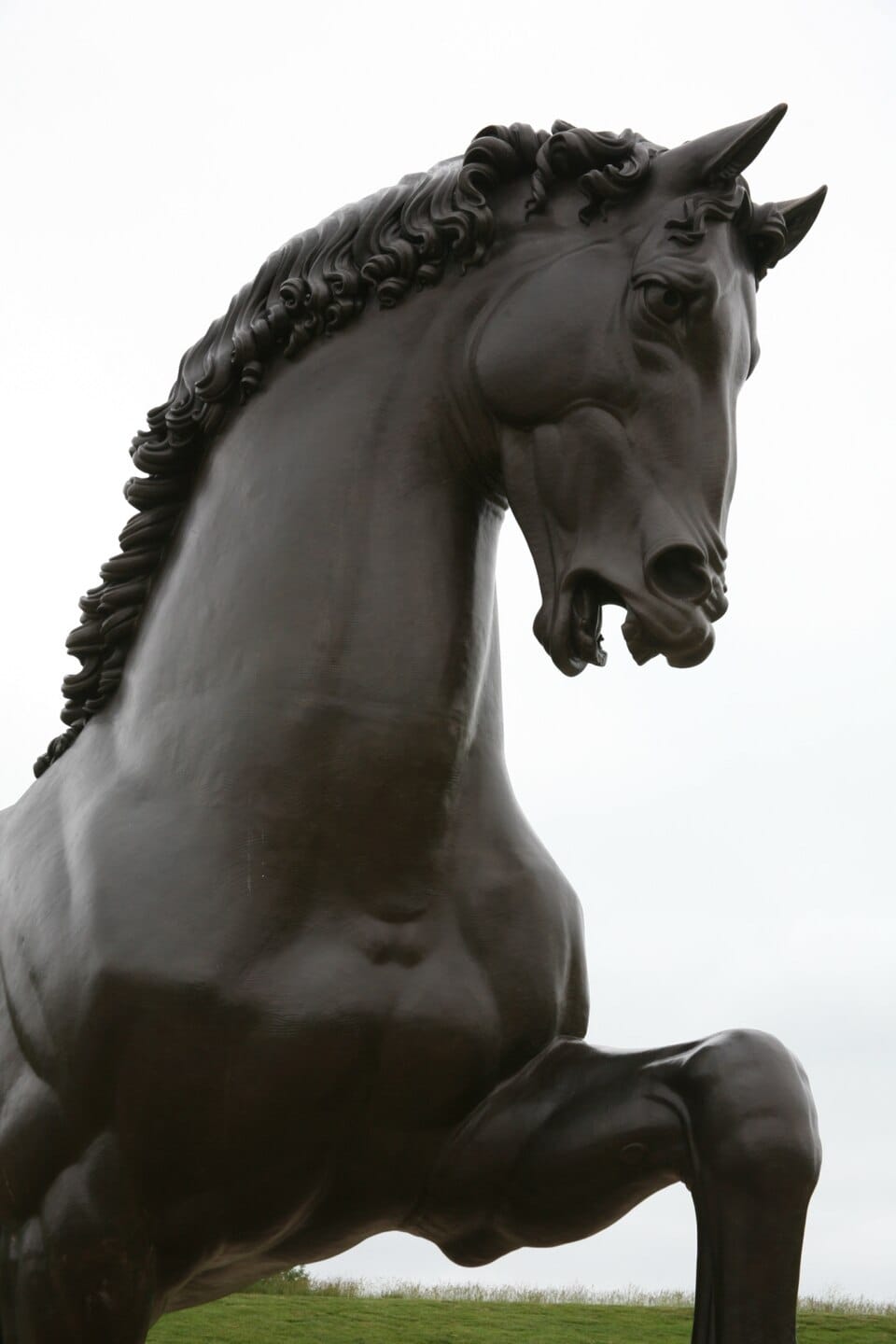
In 1482, Ludovico il Moro, Duke of Milan, commissioned Leonardo da Vinci to build the largest bronze equestrian statue in the world: a monument to his father, Francesco Sforza. Leonardo spent seventeen years on it. He filled notebooks with horse studies, produced thousands of drawings, and completed a full-scale clay model by 1493. Then the French invaded Milan in 1499, and Gascon archers used the clay model for target practice. The bronze was never poured. The commission died with the clay.
Five centuries later, an American airline pilot named Charles C. Dent decided to finish it. Dent founded Leonardo da Vinci’s Horse Inc., a non-profit, and spent twenty years and his personal fortune attempting what Leonardo had not completed. He died in 1994. His model, however, did not survive the scrutiny of the Tallix Art Foundry in Beacon, New York. The foundry’s engineers had identified fundamental problems with the work: biomechanical failures that made casting impossible without structural risk. The commission needed a sculptor again.
By 1997, Tallix recommended Nina Akamu. The foundry knew her as an experienced animal sculptor with an established practice in monumental bronze. Frederik Meijer, whose West Michigan institution had become the American home for the project, had also advocated for bringing her in. The institutional commitment was real: a donor base, a site in Grand Rapids, and a partner site in Milan. What the project lacked was a sculptor who could look at Dent’s model and tell the truth about it.
The commission needed a sculptor again. What it lacked was one who could look at Dent’s model and tell the truth about it.
Akamu spent several months examining that model. Then she told the truth: it could not be salvaged. She would need to start from nothing.
Akamu didn’t finish the model. She started over.
This is the fact that nearly every account buries. Akamu did not repair Dent’s model, did not complete it, did not build on it. After careful examination, she determined that the existing sculpture was unsalvageable and began building an entirely new eight-foot master model from scratch. As the Da Vinci Science Center documented from her own Sculptor’s Statement, the decision was total: “Nina Akamu determined that the original model could not be salvaged and concluded that a completely new sculpture needed to be executed.”
That decision required something beyond technical competence. The project carried twenty years of a dead man’s dedication, and the entire funding structure had been built around the idea of fulfilling Dent’s vision. Scrapping the model meant telling donors and institutional partners that the thing they had been supporting did not exist. Akamu said it anyway.
Her research method for the new sculpture was unusually specific. She studied Leonardo’s Windsor Collection horse sketches (miniatures, one to three-and-a-half inches in size, not architectural drawings), along with his anatomical notes, his writings on sculpture and natural phenomena, the work of his teachers, and scholarly literature on the Sforza commission. She also chose to study Iberian and Andalusian horses specifically, because those were the breeds in the Sforza stables in the 1480s. That is not general research. That is the kind of research that distinguishes an animalier from someone who can draw a horse.
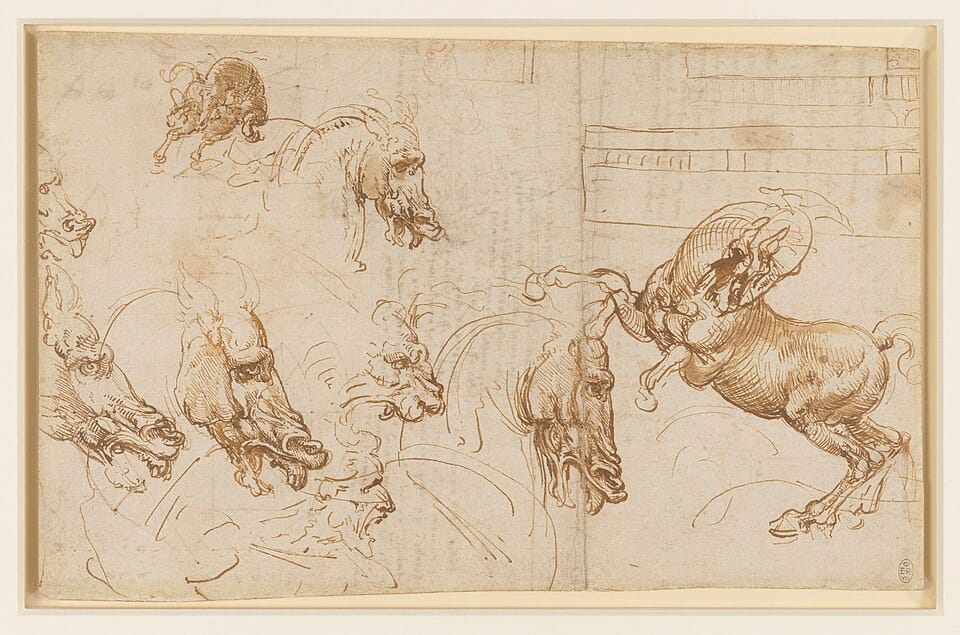
The animalier tradition matters here. The term refers to sculptors who specialize in animal subjects; a 19th-century French tradition associated with Antoine-Louis Barye and Pierre-Jules Mêne, it involves a particular relationship to the animal as a subject: not as a decorative form but as a kinetic system. Akamu’s entire studio practice, decades of live-horse observation, was what made the anatomical reconstruction credible where Dent’s model had been questioned. Tallix recommended her as “an experienced animal sculptor” for a reason.
Akamu was explicit that the work was “not intended to be a recreation of his sculpture.” She drew from Leonardo’s drawings as research material, not as instructions. The resulting sculpture was her interpretation of the commission, not a completion of Leonardo’s. She described the horse as “a symbol for the power and momentum of creative energy” and “a metaphor for the immense genius of Leonardo, a paragon of creativity, and the great epoch in which he lived, the Renaissance” (Da Vinci Science Center, Sculptor’s Statement). That is an artist describing her own work, not a craftsperson reporting a repair job.
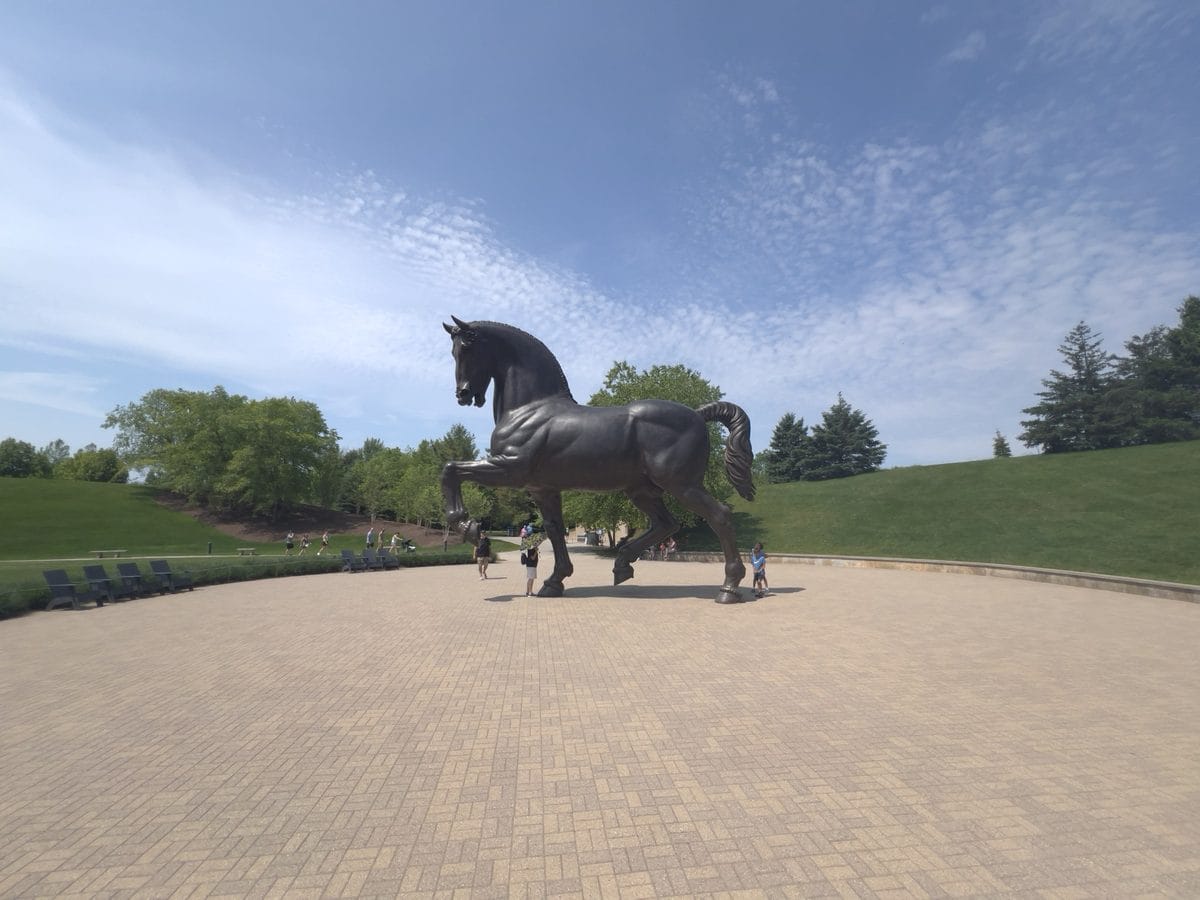
Akamu drew from Leonardo’s drawings as research material, not as instructions. The resulting sculpture was her interpretation of the commission, not a completion of Leonardo’s.
She credited Dent’s “20-year vision” and “profound dedication” as inspirations that “strengthened my resolve to help in fulfilling his dream,” a careful framing that honors the man without overvaluing the model he left behind.
What it took to cast the thing
The technical execution of the final work is worth understanding on its own terms. Akamu built an eight-foot master model, which then had to become a 24-foot bronze. Tallix used laser-assisted enlarging machines to scale the model. Akamu developed a specific enlarging technique using a laser pointer, with a communication system for her assistants, to maintain the anatomical specificity of the original across the massive scale increase.

The final sculpture was divided into more than sixty sections for casting. The mane, forehead, ears, and tail were cast using the lost-wax process; the body sections used a sand mold process. The bronze was poured at approximately 2,000 degrees Fahrenheit. Seven primary sections were assembled in Milan with a stainless steel armature. Each cast weighs approximately fifteen tons.
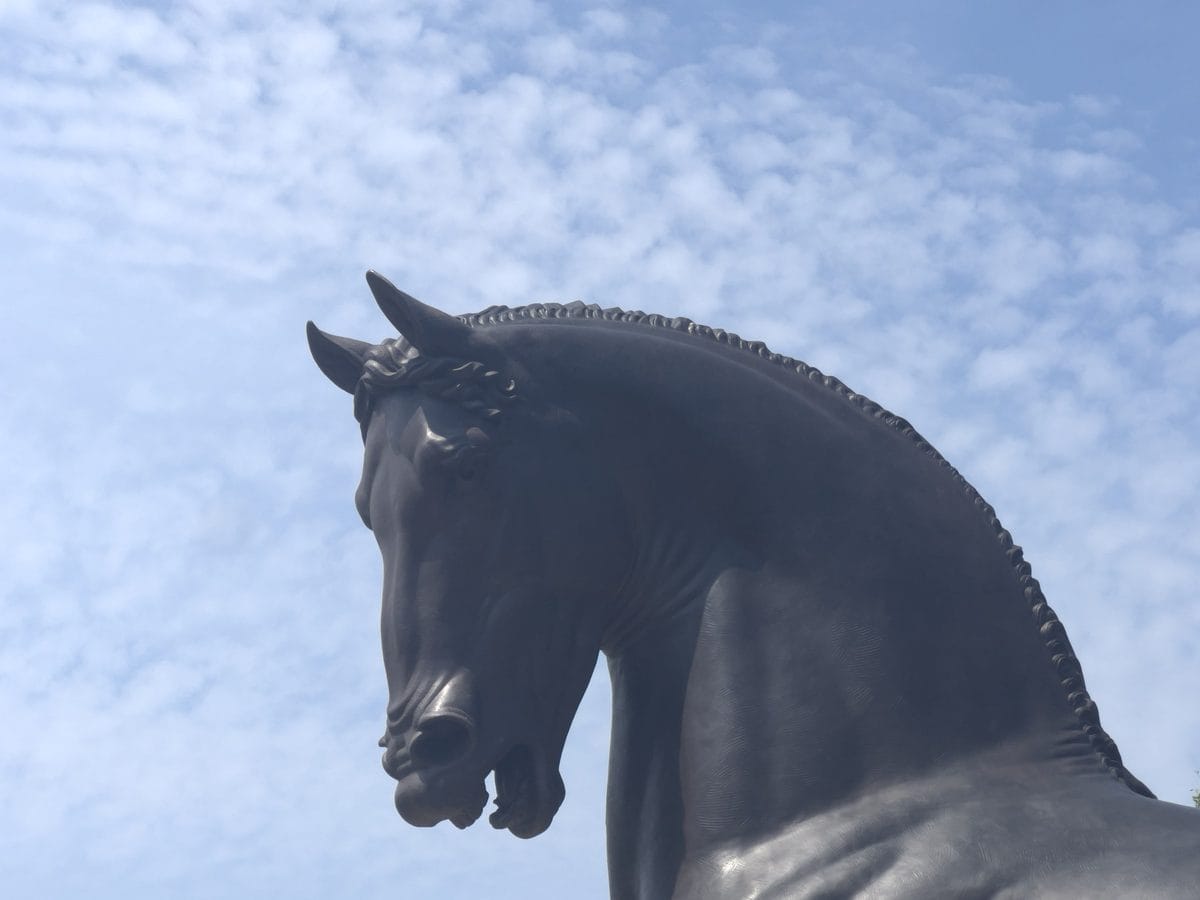
Two identical casts were produced. The first was unveiled at the Hippodrome di San Siro in Milan in September 1999; the second at Frederik Meijer Gardens in Grand Rapids in October 1999. The full history of the Sforza commission, from Leonardo’s 1482 acceptance through five centuries of dormancy to Akamu’s dual unveilings, is traced at length in the commission’s full arc.
Three works that show the range of the practice
The American Horse / Il Cavallo (Leonardo’s Horse), 1999. The monumental commission is the work most readers will know first, but it is worth understanding as a studio production, not just a cultural event. The eight-foot master model was scaled to 24 feet, divided into 60-plus sections, and cast by Tallix using two different foundry processes depending on the anatomical complexity of each section. Two identical bronzes now stand at opposite ends of the Atlantic: one in Grand Rapids, one in Milan. The weight of each is approximately fifteen tons. The work demonstrates what Akamu described as “understanding and sculptural translation of design, structure, anatomy, character, and movement combined with grace and harmony” (Da Vinci Science Center, Sculptor’s Statement). At 24 feet, none of that can be approximate.
Japanese-American Memorial cranes, 2000. Two bronze Grus japonensis, Japanese red-crowned cranes, for the National Japanese American Memorial, located at Louisiana Avenue and D Street NW in Washington, D.C. The subject required both biological precision and cultural knowledge: the crane holds deep symbolic significance in Japanese culture, and Akamu brought to the commission the same observational discipline she applies to horses. The National Sculpture Society awarded the work the Henry Hering Award in 2002. The award recognized not just technical achievement but the cultural intelligence behind the choice of subject.
Studio equine bronzes, ongoing. Akamu’s smaller-scale practice, bronzes of horses in motion based on direct live-horse observation and available through her studio, is the commercial and technical foundation from which the monumental work derives its credibility. These are the pieces where thirty years of looking at horses accumulates. Without them, the Gran Cavallo is less legible as a practice. With them, the commission makes complete sense: she was always the right person for it.
Shop the Collection
Akamu works at a scale and in a material that most collectors cannot bring home. These two bronzes occupy the same subject, the horse as an object of sculptural attention, at a scale that works in a room.
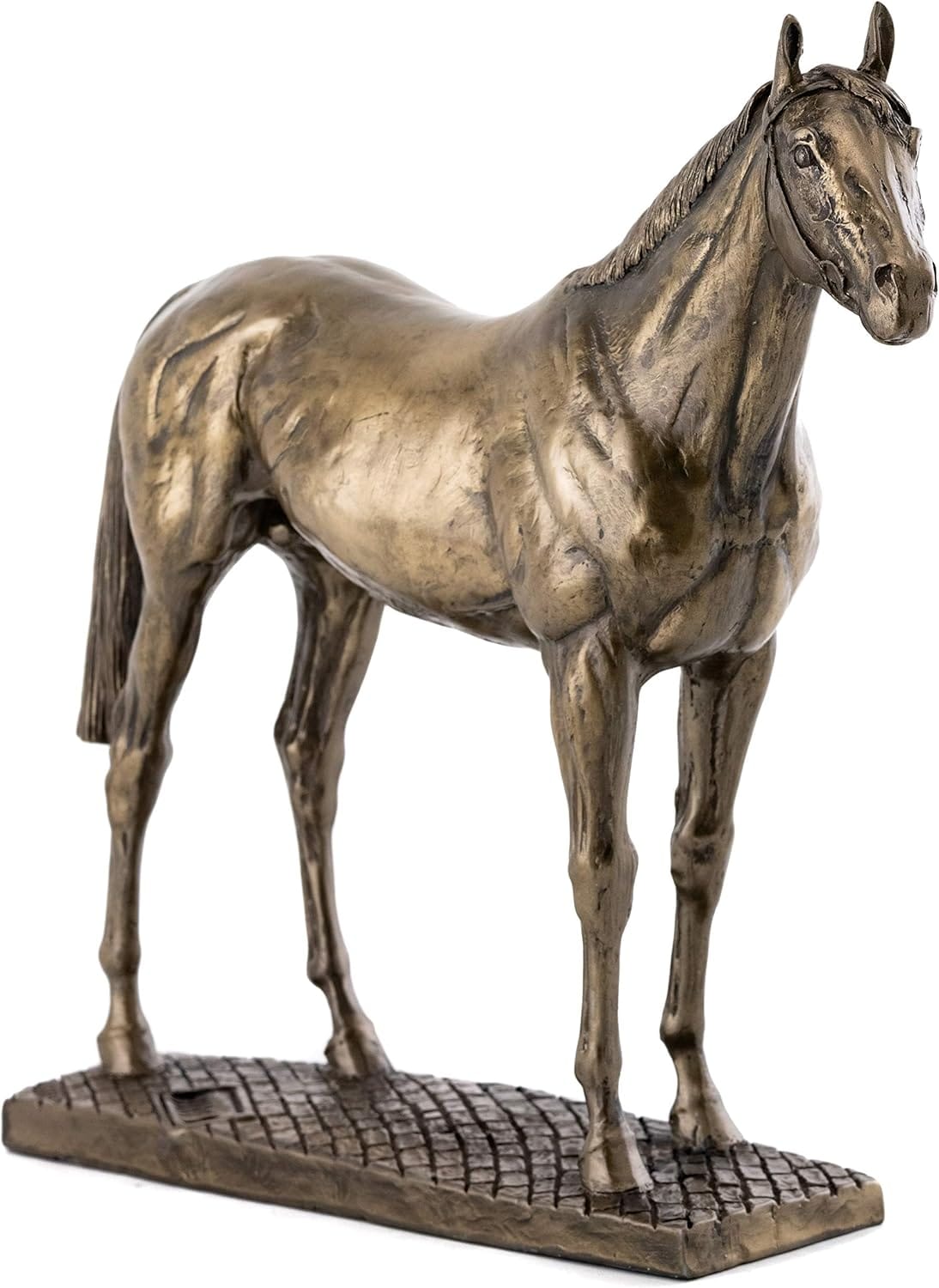
Top Collection Cold Cast Bronze Western Stallion Horse Statue (10.5 inch)
A cold-cast bronze-finish equestrian figure that translates Akamu’s monumental subject into an object at domestic scale, the same attention to posture and weight, within reach.
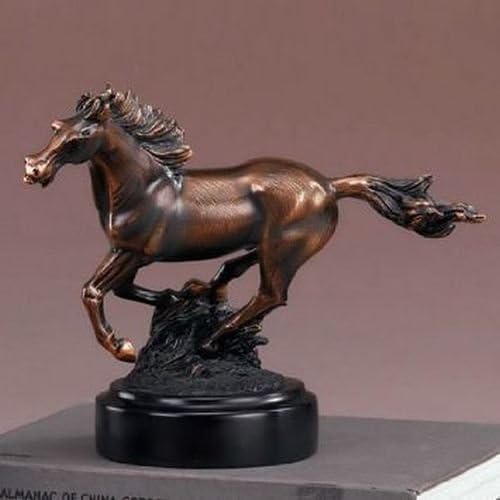
Treasure of Nature Galloping Horse Bronze Finish Statue (10 x 6 x 8 inch)
A bronze-finish galloping figure that captures the kinetic energy Akamu’s animalier practice is specifically about: the horse not at rest but in motion.
Further Reading
Three books for different positions on the commission. Start with whichever question interests you most.
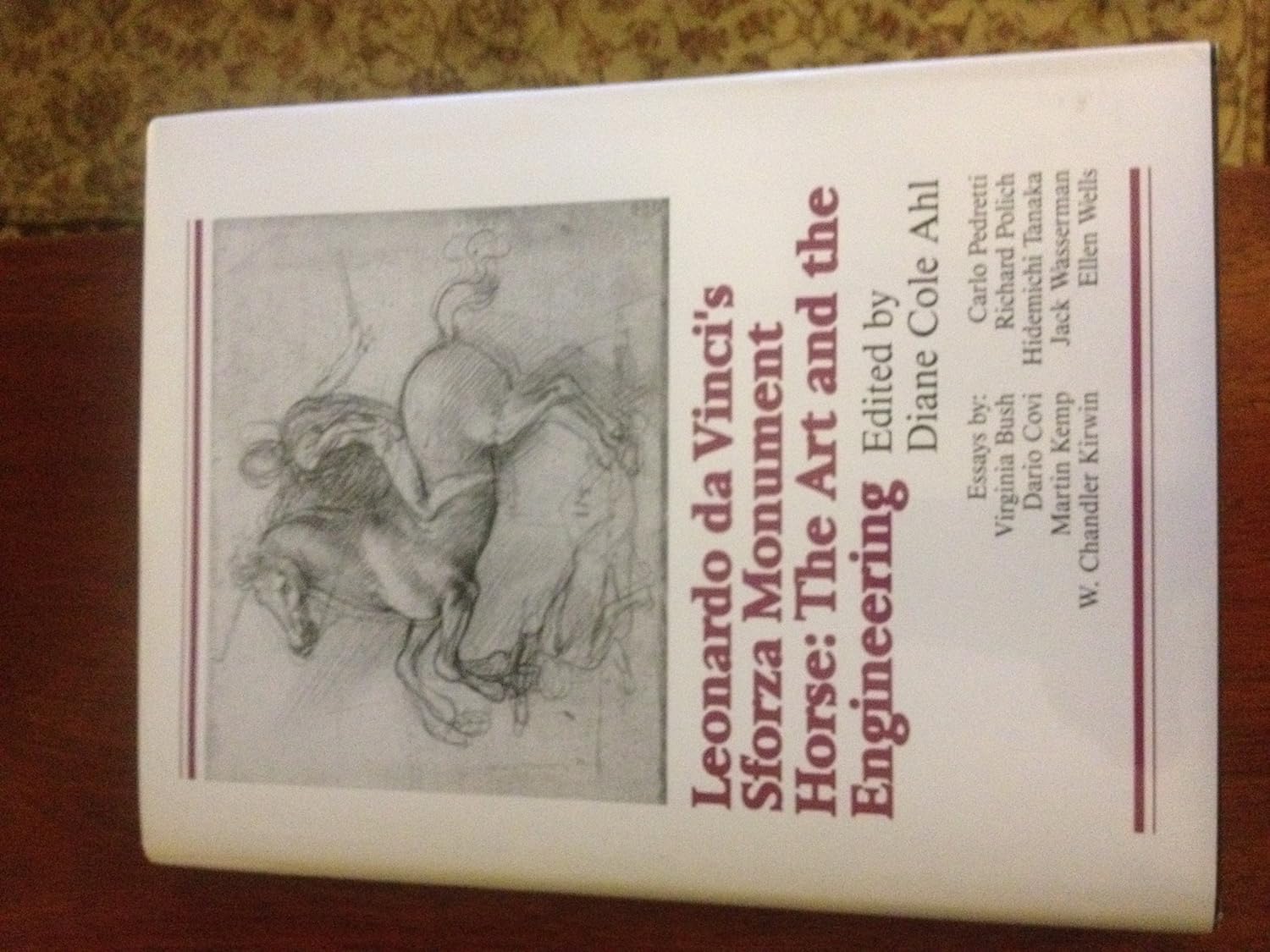
Diane Cole Ahl, Leonardo Da Vinci’s Sforza Monument Horse: The Art and the Engineering (Lehigh University Press, 1995)
The only book-length study of the commission itself: 87 plates, art historical and engineering analysis of everything Akamu inherited. If you want to understand what the Windsor Collection drawings were actually asking of any sculptor who tried to use them, this is the starting point.
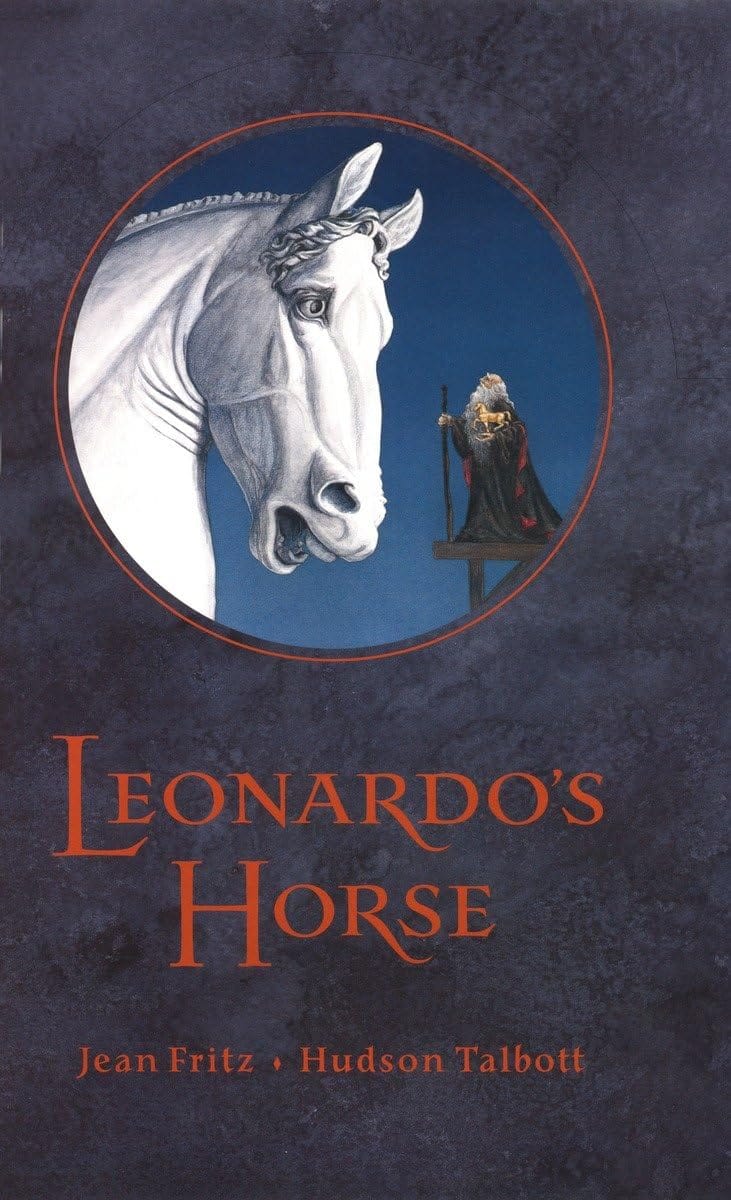
Jean Fritz, Leonardo’s Horse (Putnam, 2001)
A narrative account of the full arc from Leonardo’s 1482 commission to Akamu’s 1999 dual unveiling. More accessible than the Ahl volume, and better for a reader who wants the story before the scholarship.
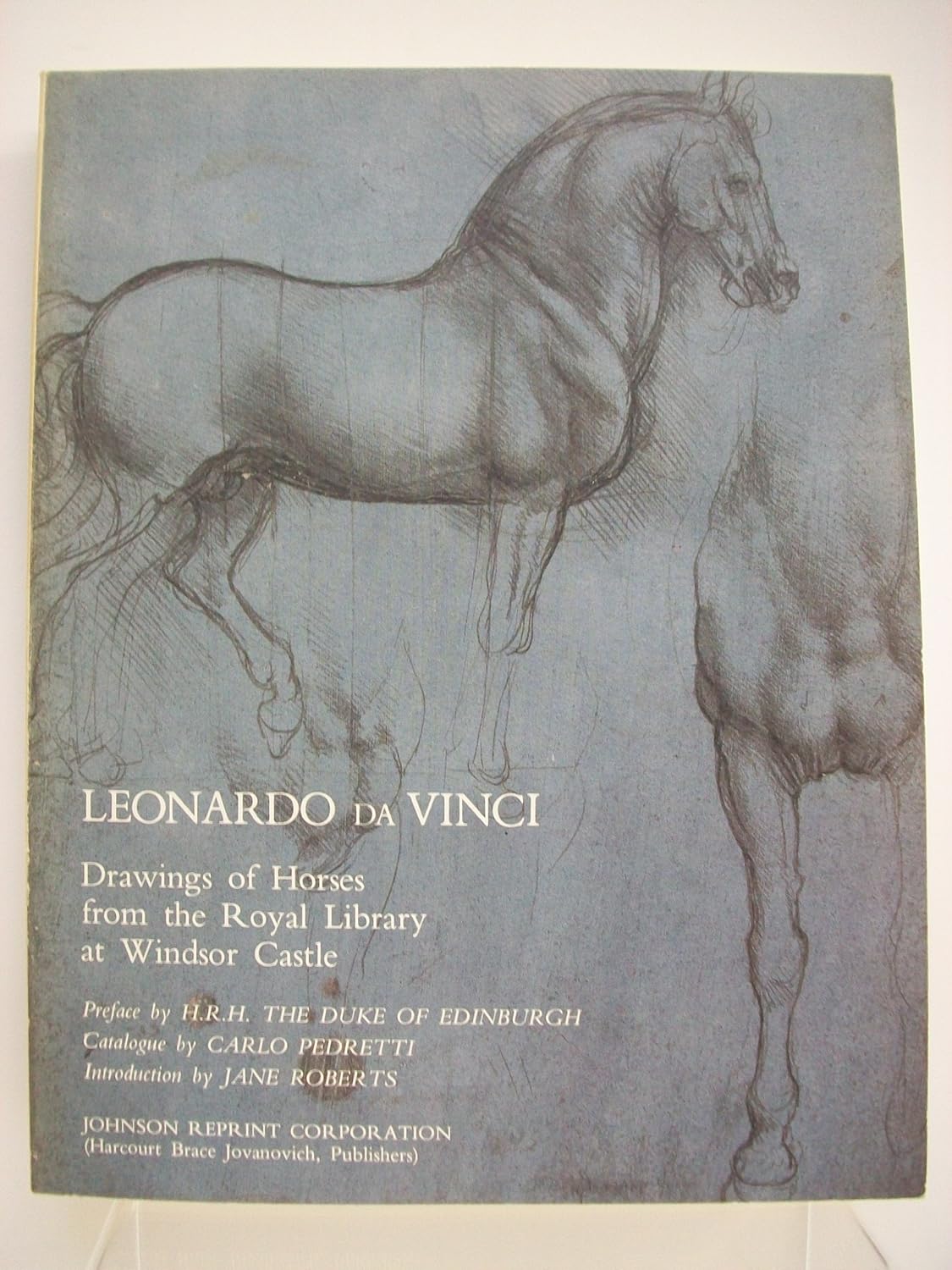
Carlo Pedretti, Leonardo da Vinci: Drawings of Horses and Other Animals from the Royal Library at Windsor Castle (Johnson Reprint, 1984)
These are the source drawings Akamu worked from: the Windsor Collection horse sketches, one to three-and-a-half inches in size, that were her primary research material. Owning this book is the closest a reader gets to standing at her research desk.
Frequently Asked Questions
Who is Nina Akamu?
Nina Akamu is a Japanese-American sculptor, born in 1955 in Midwest City, Oklahoma, who specializes in animals and is best known for the 24-foot bronze horse based on Leonardo da Vinci’s unfinished Sforza monument. Brought onto the project in 1997, she built a new master model, and the horse was cast twice in 1999: Il Cavallo in Milan and The American Horse at Frederik Meijer Gardens in Grand Rapids. She also sculpted the bronze cranes of the National Japanese American Memorial in Washington, D.C.
Are there other casts of Nina Akamu’s horse?
Yes. Besides the two full-size 24-foot bronzes in Milan and Grand Rapids, smaller versions of her design exist: an 8-foot bronze in Leonardo’s birthplace, Vinci, Italy, dedicated in 2001, and a 12-foot cast at the Baum School of Art in Allentown, Pennsylvania, dedicated in 2002 in memory of Charles C. Dent.
Who sculpted The American Horse in Grand Rapids?
Nina Akamu sculpted The American Horse in Grand Rapids. She was hired in 1997 to create a new master model for Leonardo da Vinci’s unfinished Sforza horse commission, and her final 24-foot bronze was cast twice in 1999: once for Milan and once for Frederik Meijer Gardens & Sculpture Park in Grand Rapids, Michigan.
Did Nina Akamu finish Leonardo da Vinci’s horse?
Not exactly. Akamu was commissioned in 1997 to complete a project started by Charles C. Dent, who had spent twenty years attempting to fulfill Leonardo’s 1482 commission before his death in 1994. After examining Dent’s existing model, Akamu determined it was unsalvageable and built an entirely new sculpture from scratch. She researched Leonardo’s Windsor Collection drawings and produced an eight-foot master model that was enlarged and cast in bronze by Tallix Foundry. The result was her interpretation of the commission, not a completion of Leonardo’s original work.
What is The American Horse sculpture?
The American Horse is a 24-foot bronze equestrian sculpture by Nina Akamu, installed at Frederik Meijer Gardens and Sculpture Park in Grand Rapids, Michigan in October 1999. It fulfills the commission Leonardo da Vinci accepted in 1482 from Ludovico il Moro, Duke of Milan, for a monument to Francesco Sforza. An identical cast, titled Il Cavallo, stands at the Hippodrome di San Siro in Milan. Each weighs approximately fifteen tons.
Where can I see Nina Akamu’s Leonardo horse today?
Two casts exist. The first, titled Il Cavallo, stands at the Hippodrome di San Siro in Milan, Italy, unveiled in September 1999. The second, titled The American Horse, stands at Frederik Meijer Gardens and Sculpture Park in Grand Rapids, Michigan, unveiled in October 1999.
What is an animalier sculptor?
An animalier is a sculptor who specializes in animal subjects. The term originates from 19th-century French sculpture, associated with artists like Antoine-Louis Barye and Pierre-Jules Mêne, who brought naturalistic precision to animal bronzes. Animalier practice involves extended observation of live animals to understand their anatomy and movement kinetically, not just visually. Akamu’s animalier credentials, her decades of live-horse study, were what Tallix Foundry cited when recommending her for the Leonardo commission.
Who made the horse at Frederik Meijer Gardens?
Nina Akamu made the horse at Frederik Meijer Gardens. She was the sculptor who replaced Charles Dent’s unsalvageable model with a new master sculpture and oversaw the artistic realization of the project that became The American Horse in Grand Rapids and Il Cavallo in Milan.

About Joe Post
Joe Post holds an MFA in Art from California Institute of the Arts (CalArts) and has done additional graduate work at the School of the Art Institute of Chicago. He founded Art Design Ideas to write about design as cultural argument — the decisions, contradictions, and assumptions built into the objects we live with.