
The best book on Dieter Rams is Less But Better, because it is the only one he wrote himself: his essays on design responsibility and the Ten Principles, first published in 1995 and reissued by Gestalten in 2014 in a bilingual English and German edition. For the full record of his products, add Klaus Klemp’s Dieter Rams: The Complete Works (Phaidon, 2020). For his career story, read Sophie Lovell’s As Little Design as Possible (Phaidon, 2011), with a foreword by Jony Ive.
Dieter Rams design books range from his own essays on function and restraint to thick scholarly catalogues of every product he built at Braun. The best ones don’t just document the objects — they reconstruct the argument behind them. Five books worth owning, in order of how you should read them.
Who Is Dieter Rams?
Dieter Rams joined Braun in 1955 as an interior architect and became head of design in 1961. Over the next four decades he shaped nearly every object the company made, from pocket radios to kitchen appliances, building one of the most coherent design programs in postwar industry. His most recognized designs include the SK4 record player (1956, co-designed with Hans Gugelot), the T3 pocket radio (1958), and the 606 Universal Shelving System for Vitsœ (1960), still in production today.
His work was shaped by the Ulm School (Hochschule für Gestaltung) and its Bauhaus lineage, and by his own discomfort with what he called “an impenetrable confusion of forms, colours and noises.” He formalized that discomfort into his Ten Principles for Good Design. Jony Ive has named Rams as the central influence on Apple’s product design.
The Ten Principles (canonical Vitsœ phrasing):
- Good design is innovative.
- Good design makes a product useful.
- Good design is aesthetic.
- Good design makes a product understandable.
- Good design is honest.
- Good design is unobtrusive.
- Good design is long-lasting.
- Good design is thorough down to the last detail.
- Good design is environmentally friendly.
- Good design is as little design as possible.
These principles are what the books below argue, illustrate, and debate. For a full guide on applying them, see how to apply Dieter Rams’s principles.
Our Top Picks
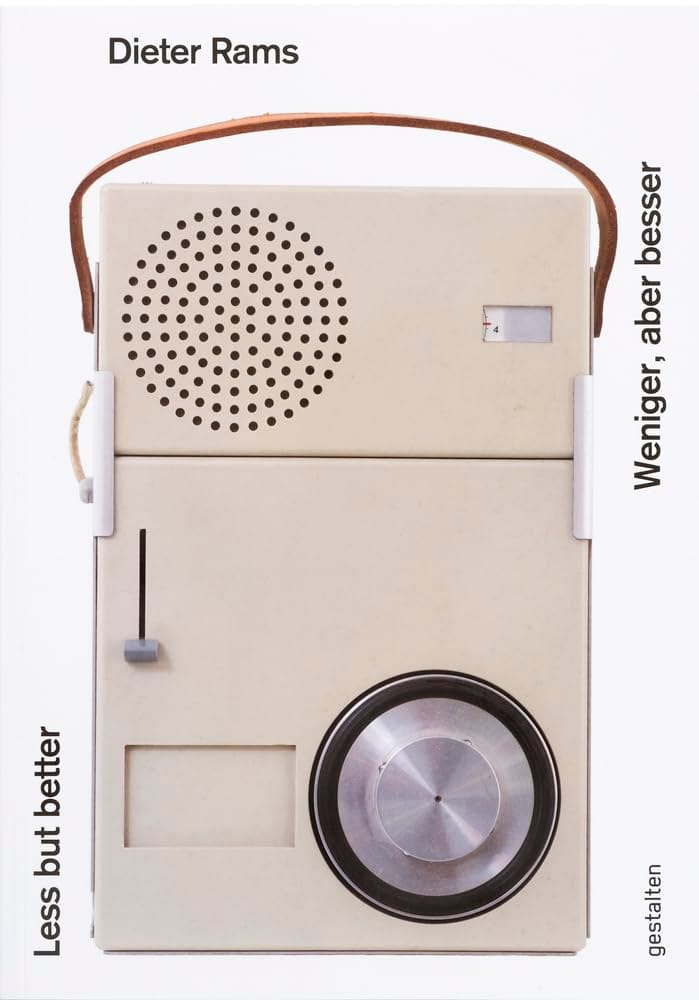
Less But Better
This book is a collection of Rams’s own essays on design responsibility, paired with his commentary on the Ten Principles, in a bilingual English/German edition published by Gestalten. It is the only book in this list written entirely in his voice. Not a monograph, not a catalogue. A manifesto. Read this first.
Price range: Mid-Range
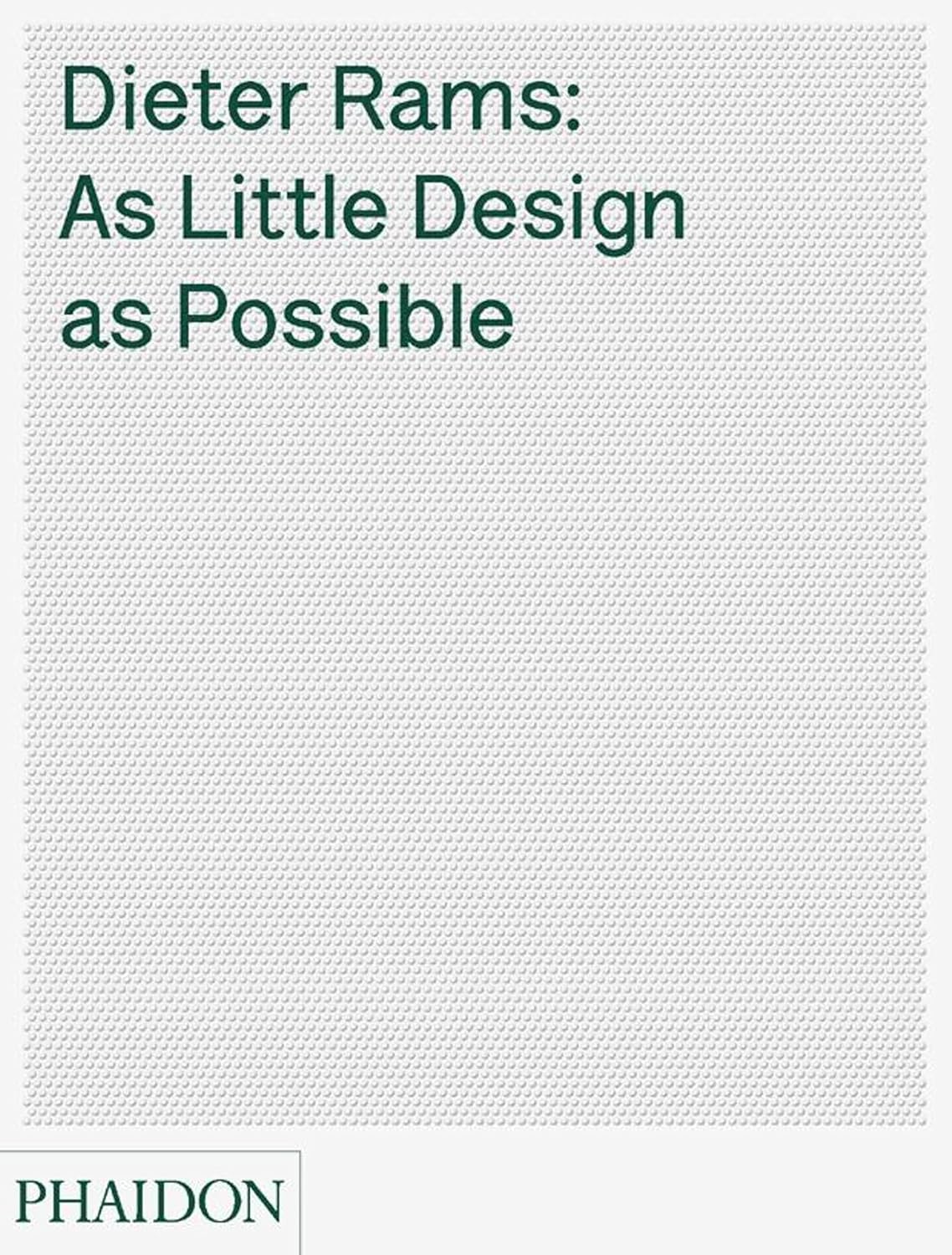
Dieter Rams: As Little Design as Possible
This book is a career biography and product survey written by Sophie Lovell, with a foreword by Jonathan Ive, published by Phaidon. It covers the full Braun body of work through extensive photography and critical text. The standard reference. Buy it after you’ve read Less But Better.
Price range: Premium
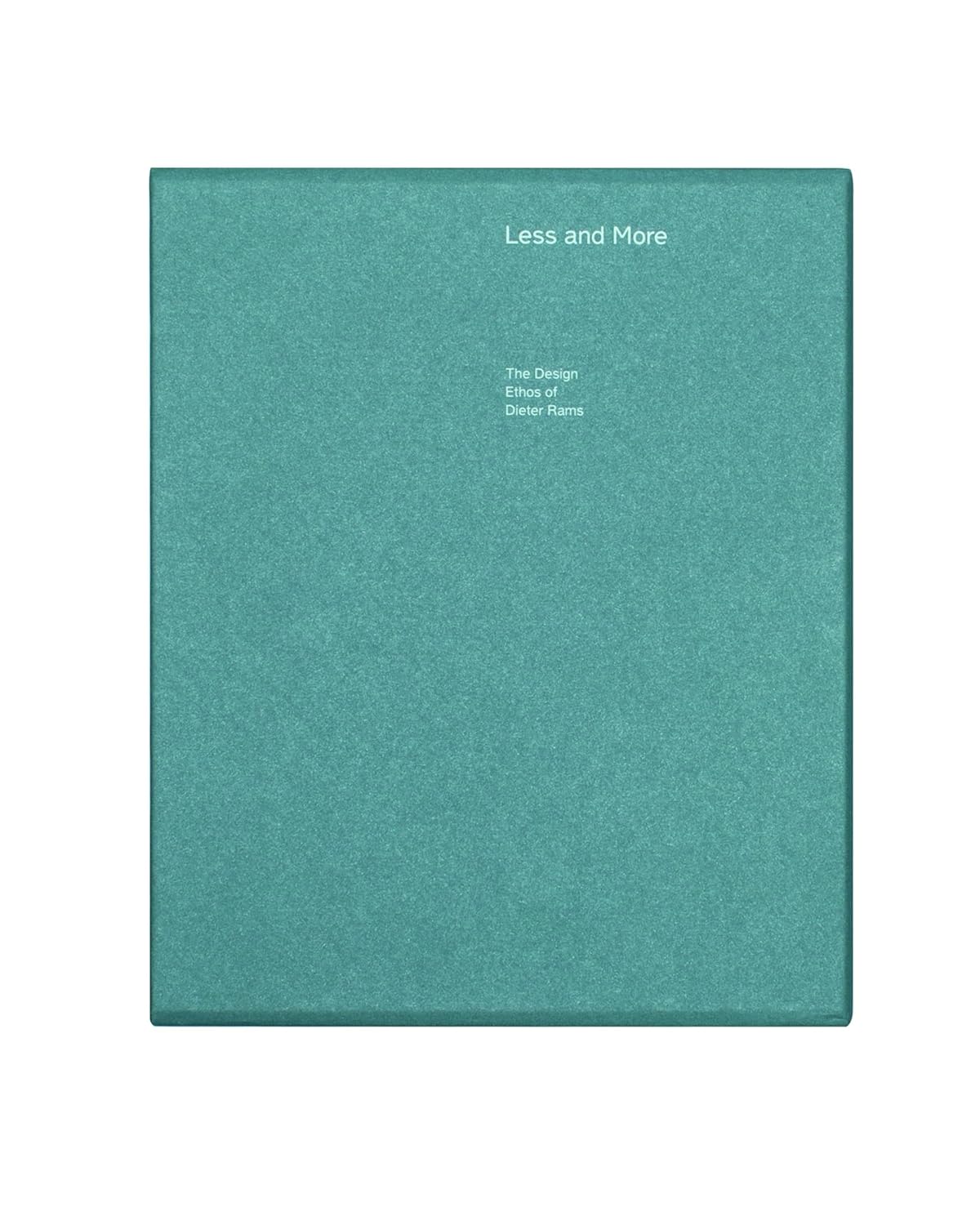
Less and More: The Design Ethos of Dieter Rams
This book is an 808-page exhibition catalogue, edited by Klaus Klemp and Keiko Ueki-Polet, organized by product category with critical essays, originating from a touring show at the Seibu Museum of Art in Tokyo. It is the most complete scholarly record of Rams’s output in print. For readers who want the full apparatus.
Price range: Premium
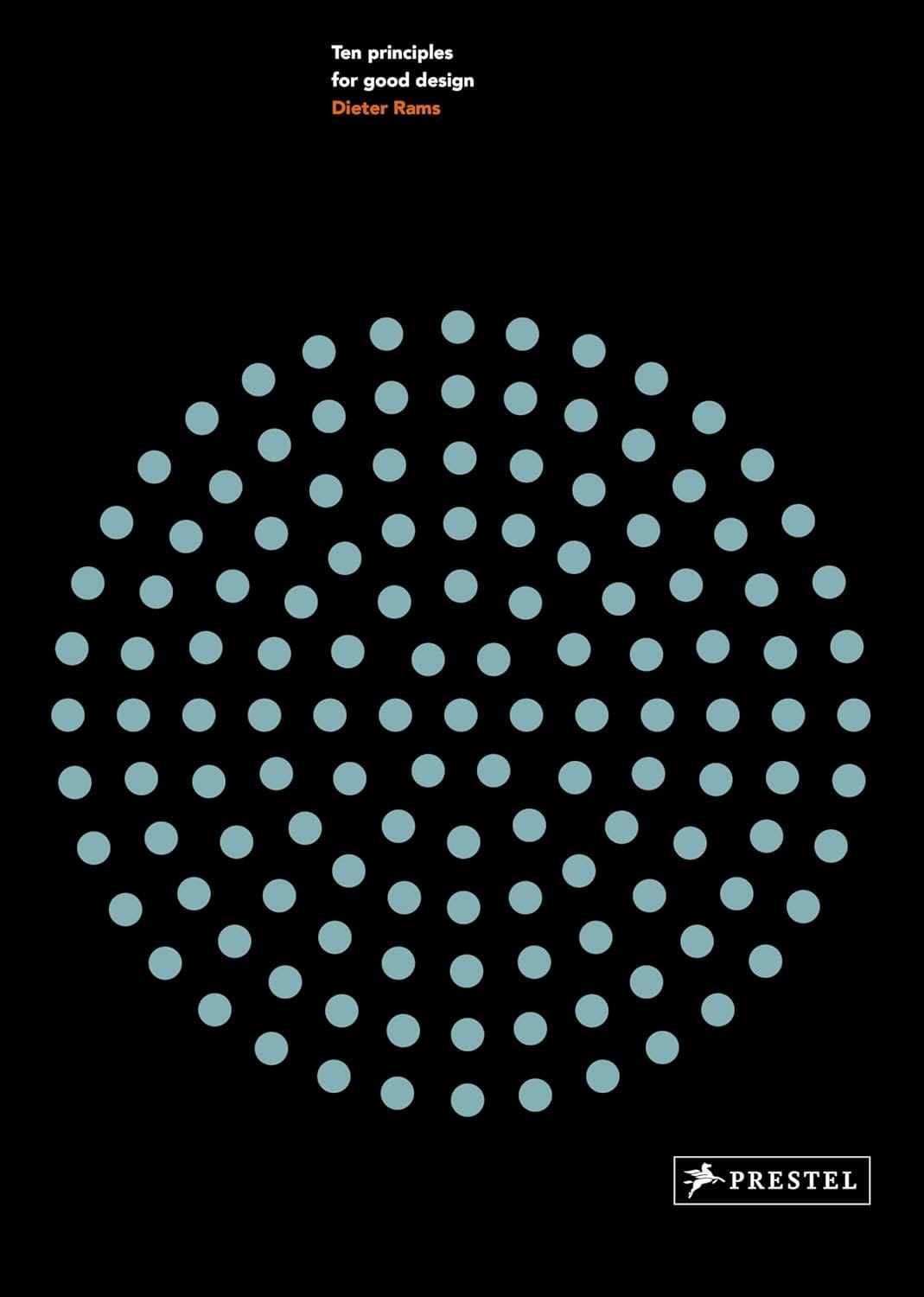
Dieter Rams: Ten Principles for Good Design
This book is a 416-page principle-by-principle analysis, edited by Cees W. de Jong and others, published by Prestel, walking each of the Ten Principles through concrete Braun product examples. A better entry point than the Lovell monograph for readers who want to understand the philosophy before the biography.
Price range: Mid-Range
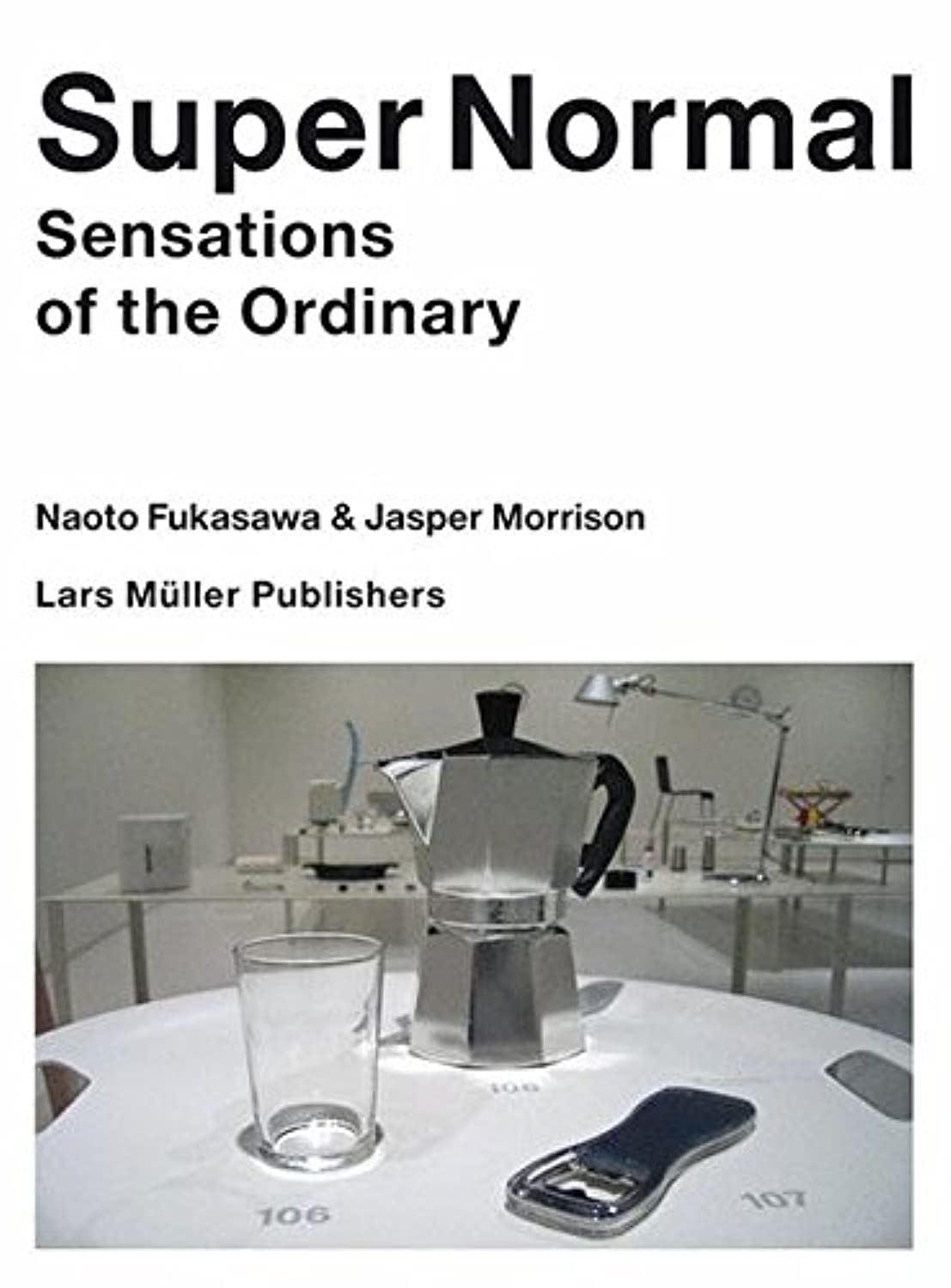
Super Normal: Sensations of the Ordinary
This book is a 204-object survey by Jasper Morrison and Naoto Fukasawa, published by Lars Müller, placing the Vitsœ 606 shelving system alongside anonymous everyday classics to trace the design lineage from Rams to the next generation of designers. Not a Rams book. Buy it alongside Less But Better to understand what came after.
Price range: Mid-Range
Quick Decision Guide
- Best overall: Less But Better — Rams’s own writing, compact, in print. Start here.
- Best for depth: Less and More — 808-page catalogue for serious research.
- Best introduction: Ten Principles for Good Design — one principle at a time, product by product.
- Best premium gift: As Little Design as Possible — the Lovell/Phaidon monograph. Excellent production quality.
- Best companion read: Super Normal — for readers who want to trace how Rams’s ideas passed to the next generation.
Full Comparison
| Book | Author | Publisher | Use Case | Price Range | Best For |
|---|---|---|---|---|---|
| Less But Better | Dieter Rams | Gestalten | Manifesto / first read | Mid-Range | Anyone starting with Rams |
| As Little Design as Possible | Sophie Lovell | Phaidon | Career monograph / reference | Premium | Collectors, deep readers |
| Less and More | Klemp & Ueki-Polet | Gestalten | Exhibition catalogue / research | Premium | Scholars, serious enthusiasts |
| Ten Principles for Good Design | de Jong et al. | Prestel | Philosophy primer | Mid-Range | Readers new to the Ten Principles |
| Super Normal | Morrison & Fukasawa | Lars Müller | Design lineage / context | Mid-Range | Readers interested in what came next |
Individual Breakdowns
Less But Better: Why This Is the Only Book Rams Wrote in His Own Voice
Pros
- Written entirely by Rams — not interpreted through a biographer or editor
- Bilingual English/German in a single volume; no edition-hunting required
- Compact enough to read in a sitting, dense enough to return to repeatedly
- Gestalten’s 2014 reprint is widely available and well-produced
Cons
- No product photography survey; it is essays, not a catalogue
- Short enough that readers expecting a comprehensive monograph will be disappointed
- Some translations from the German feel slightly stiff in places
Who it’s for: Anyone coming to Rams for the first time, and anyone who wants to argue design from a primary source.
Why it stands out: No other book gives you Rams’s argument in his own words at this price point.
As Little Design as Possible: The Monograph That Became the Standard Reference
Pros
- Covers the complete Braun career with well-chosen photography
- Foreword by Jony Ive anchors its cultural significance
- Phaidon’s production quality is consistently high
- Organized as biography, making it readable rather than just browsable
Cons
- Premium price; not a casual purchase
- The original hardcover edition (ASIN 0714849189) can be harder to find at retail price
- Less useful as a principles reference than as a career survey
Who it’s for: Readers who want the full narrative of Rams’s career with strong visual documentation.
Why it stands out: The Lovell monograph set the terms for how Rams is discussed in the English-language design world.
Less and More: When 808 Pages Is the Right Number of Pages
Pros
- The most complete product catalogue of the Braun years in print
- Organized by category, making specific objects easy to locate
- Critical essays add scholarly context to the images
- PVC softcover and slipcase construction holds up to heavy use
Cons
- 808 pages is genuinely unwieldy; this is a reference volume, not a read
- Premium price reflects the scope
- Not the right entry point for general readers
Who it’s for: Researchers, serious collectors, and designers who want to study the full output rather than the highlights.
Why it stands out: Nothing else covers the Braun catalogue at this depth and scale.
Ten Principles for Good Design: The Entry-Level Book That Earns Its Place
Pros
- Works through each principle against specific product examples, philosophy made concrete
- 416 pages at a mid-range price is good value for the depth
- Strong editorial structure makes it easy to use as a reference
Cons
- Multiple editions with slightly different ISBNs; confirm the edition before buying
- Less useful once you’ve already internalized the Ten Principles
- Secondary sources throughout, not Rams writing directly
Who it’s for: Readers who want to understand why the Ten Principles hold before encountering the biography.
Why it stands out: The principle-by-principle structure is not replicated elsewhere at this price point.
Super Normal: Not a Rams Book — and That’s Why You Should Read It
Pros
- Places the Vitsœ 606 system in direct conversation with anonymous everyday objects
- Shows the design lineage from Rams through to Morrison and Fukasawa clearly
- Short enough to read in one evening
- Lars Müller’s production is clean and appropriate to the subject
Cons
- Not a Rams monograph; Rams appears as one reference among many
- Some readers expecting a dedicated Rams study will find it frustrating
- Out of print periodically; prices vary
Who it’s for: Readers who want to understand what came after Rams, not just what came from him.
Why it stands out: Super Normal answers a question none of the other four books ask: where did the ideas go next?
Why Dieter Rams Books Age Better Than Most Design Monographs
Most design books are celebrations. They are produced at the height of a designer’s market, they photograph the objects beautifully, and they offer little critical resistance. They date quickly.
Rams books are different because the Ten Principles were never a marketing document. Rams formulated them in response to his own discomfort about participating in overconsumption. They are a self-critical framework, written against the logic of the industry he worked in. That friction is why they hold up.
The Lovell monograph arrived in 2011, before Gary Hustwit’s Rams documentary (2018) brought Rams to a broader audience. The books preceded the documentary cycle and outlasted it. Readers who discovered Rams through the film are still buying Less But Better because the documentary points back to the writing.
The design community’s interest in Rams also survived the Apple comparison debate. Whether you find the Jony Ive influence flattering or reductive, the question sends readers to the primary sources. That keeps the books in circulation regardless of where the trend line sits.
Frequently Asked Questions
What is the best book on Dieter Rams?
Less But Better, because it is Rams in his own words: his essays and the Ten Principles, in a bilingual Gestalten edition. If you want a single reference to every product instead, the best choice is Klaus Klemp’s Dieter Rams: The Complete Works (Phaidon, 2020), a 344-page survey of his designs for Braun, Vitsœ and others. Less and More goes deeper still, but at 808 pages it is a research volume.
What is the best Dieter Rams book for beginners?
Start with Less But Better. It is Rams’s own writing, not a secondary account, and it is the shortest book on this list. The bilingual Gestalten edition is widely in print and mid-range in price. You will understand his argument more clearly from forty pages of his own essays than from three hundred pages of biography.
Is Less But Better the same as Less and More?
No. Less But Better is Rams’s own essay collection, first published in 1995 and reprinted by Gestalten in 2014. Less and More is an 808-page exhibition catalogue edited by Klaus Klemp and Keiko Ueki-Polet, published by Gestalten in 2009. Different books, different authors, different scope. If you want Rams in his own words, buy Less But Better. If you want the full product catalogue with critical apparatus, buy Less and More.
What language is Less But Better published in?
The 2014 Gestalten reprint is bilingual: English and German in a single volume. The German title is Weniger, aber besser. Both languages appear throughout, so you can read either version depending on preference.
Are Dieter Rams books available in paperback?
Partially. Less and More comes in a PVC softcover with slipcase, which functions like a paperback in durability terms. Less But Better is a hardcover. As Little Design as Possible and Ten Principles for Good Design are hardcovers. Super Normal is the most compact and closest to a standard softcover format. None of the major titles have standard mass-market paperback editions.
Who wrote the foreword to As Little Design as Possible?
Jonathan Ive, known professionally as Jony Ive, wrote the foreword to Sophie Lovell’s As Little Design as Possible (Phaidon, 2011). Ive has consistently named Rams as the central influence on his work at Apple, and the foreword is the most direct public statement of that connection.
What is Dieter Rams’ most famous product?
The Braun SK 4 radio-phonograph (1956), co-designed with Hans Gugelot and nicknamed “Snow White’s Coffin” for its white body and clear acrylic lid. The 606 Universal Shelving System (1960) for Vitsœ is the design still in production. The dated product canon is in our guide to Braun design objects by Dieter Rams.
What are Dieter Rams’ 10 principles?
Good design is innovative, makes a product useful, is aesthetic, makes a product understandable, is unobtrusive, is honest, is long-lasting, is thorough down to the last detail, is environmentally friendly, and is as little design as possible. Less But Better gives them in Rams’s own words; Ten Principles for Good Design walks each one through Braun products.
What is Dieter Rams’ most famous quote?
“Less, but better,” in German “Weniger, aber besser.” It is the short form of his tenth principle, “Good design is as little design as possible,” and the title of his own book, which is why that book is the first one to read.
Does Dieter Rams still design?
Not as a working product designer. Rams, born in 1932, retired as Braun’s head of design in 1997. He continues to work with Vitsœ, which still makes his 606 shelving system, and the books keep coming: Klemp’s The Complete Works appeared in 2020, more than two decades after he left Braun.

About Zoe Post
Zoe Post holds a BFA and a Master of Architecture from the School of the Art Institute of Chicago. She now works as a product marketing leader at an architectural product design firm, bringing hands-on industry perspective to everything she writes. At ADI she covers contemporary artists, textile and pattern design, and the design objects that sit at the boundary of art and function.