
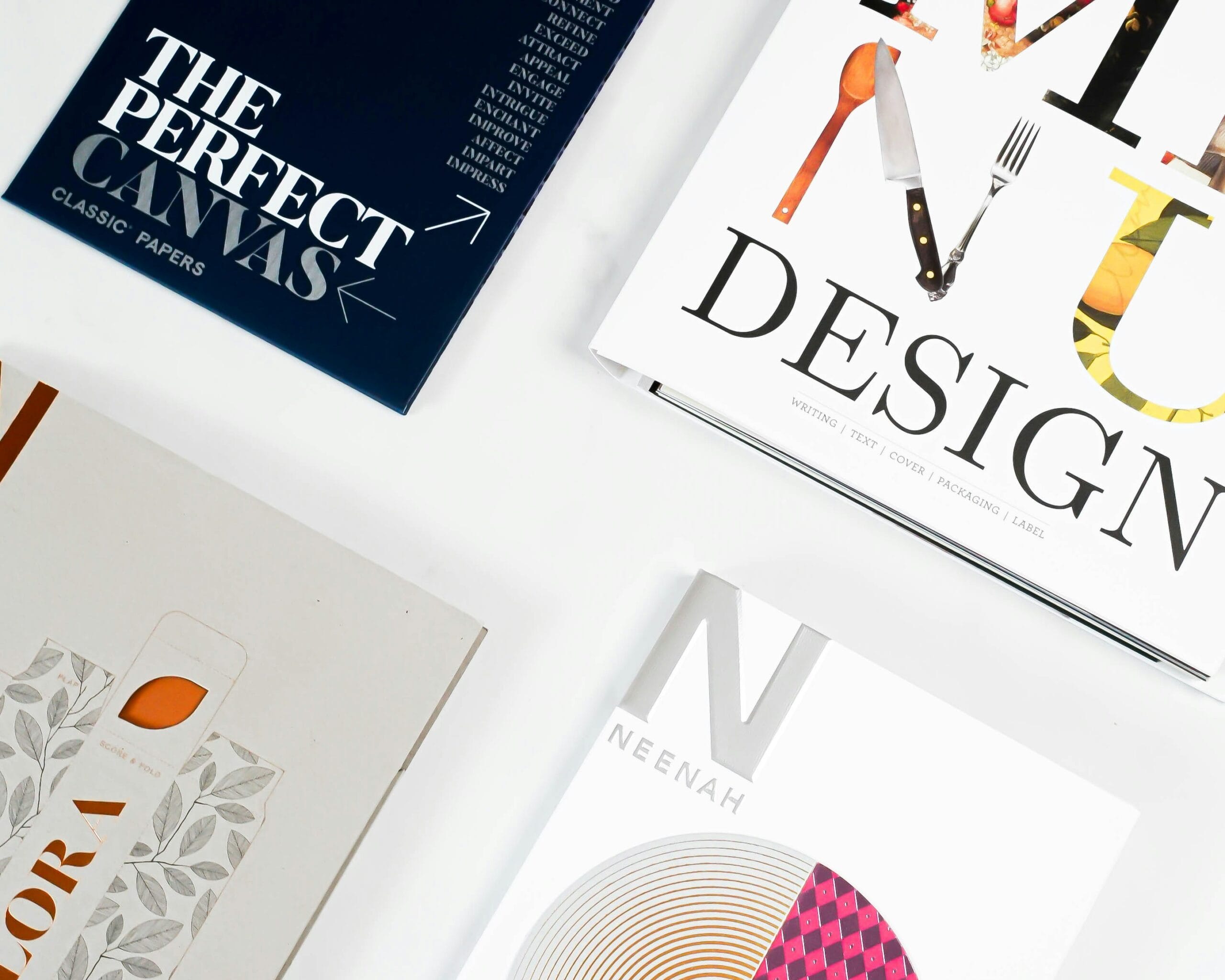
The best design books for design lovers span Bauhaus theory, mid-century furniture histories, Art Deco surveys, Scandinavian monographs, and designer biographies. Whether you’re shopping for a design student, a furniture obsessive, or an art history reader, the right book opens an argument — not just a style period. These eight picks do exactly that.
Our Top Picks
Not every design book earns its shelf space. These three earn theirs across different audiences: a survey for the student who needs the whole map, a focused history for the person who wants to understand where modernism’s arguments came from, and a large-format object for the collector who understands that the book itself is part of the statement.
DK / Smithsonian, Design: The Definitive Visual History (Mid-Range, ~$35–$50)
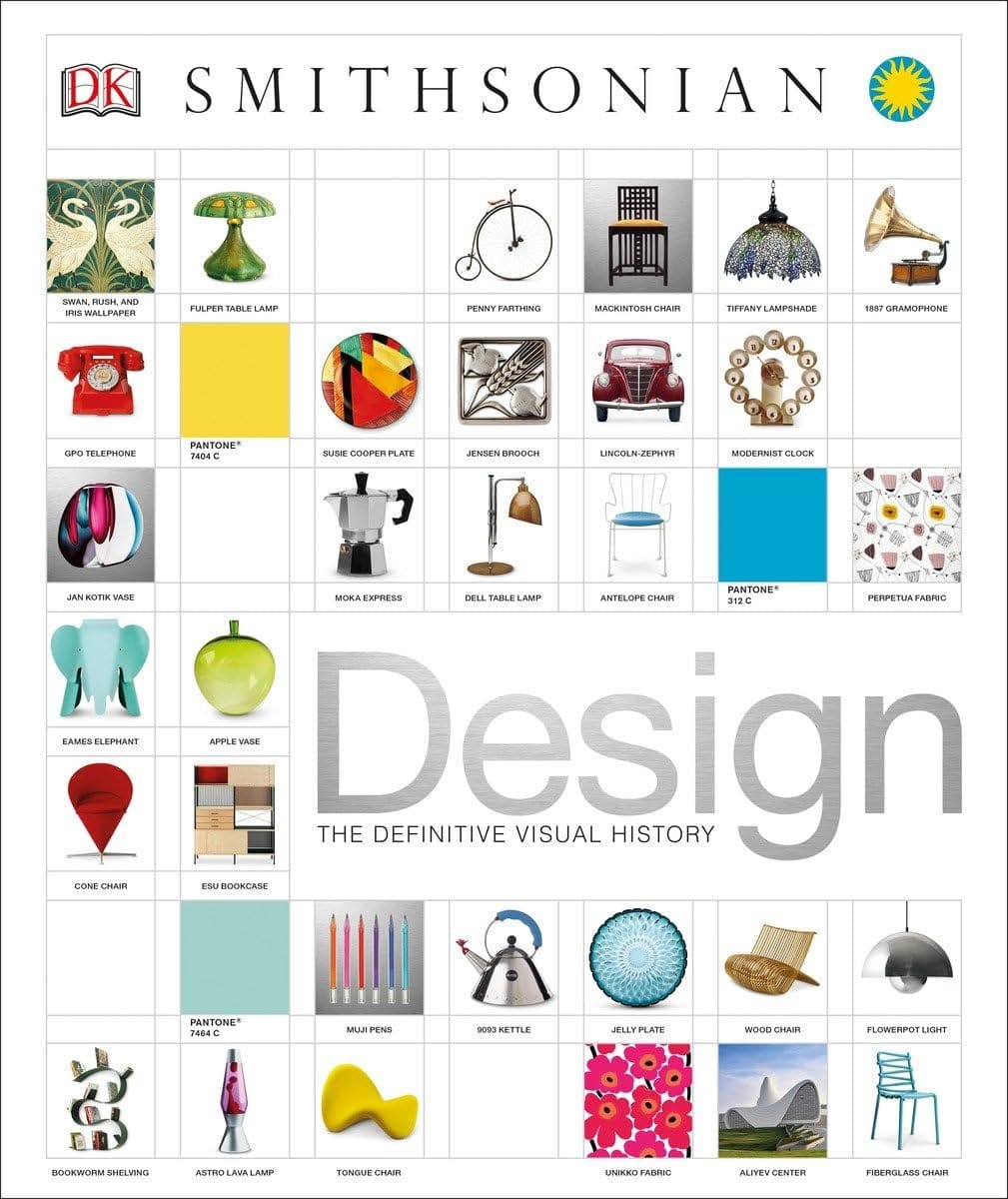
Design: The Definitive Visual History
Design: The Definitive Visual History (DK / Smithsonian, 2015) runs from the Arts and Crafts movement to parametric design, organized chronologically so a student can trace cause and consequence rather than memorizing isolated movements. Profiles of Alvar Aalto, Frank Gehry, Philippe Starck, and hundreds of others appear with enough visual material that the book is a working reference, not a coffee table object that gets moved when someone needs the table. If a design student has one shelf book that answers the question “what came before?”, this is it.
Frank Whitford, Bauhaus (Budget, ~$22)

Bauhaus
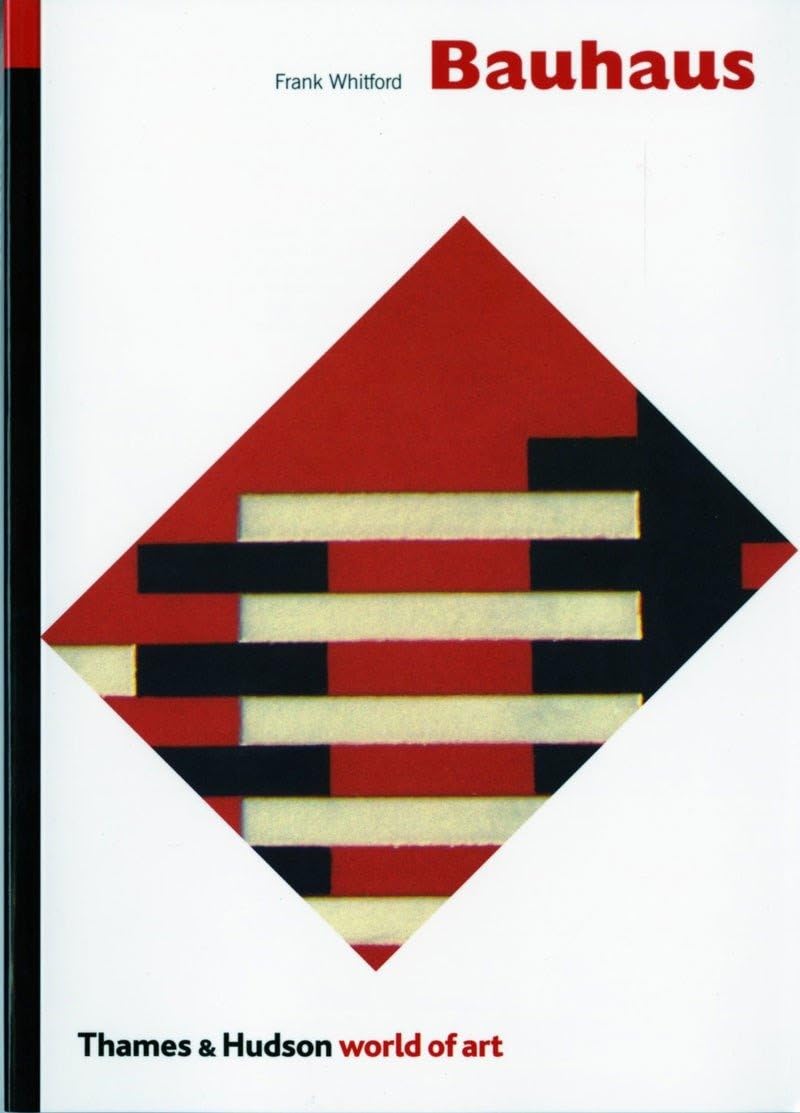
Bauhaus by Frank Whitford (Thames & Hudson World of Art, 1984) remains the clearest account of what the Bauhaus was actually arguing about internally. Gropius founded the school in Weimar in 1919 with the explicit goal of dissolving the boundary between fine art and industrial craft. What Whitford understands, and what most survey accounts miss, is that the school was full of teachers who disagreed with each other: Klee’s mysticism, Kandinsky’s abstraction theory, Moholy-Nagy’s photography program, and Albers’s color grid all pulled in different directions. That tension was the school’s education. Whitford doesn’t mythologize the Bauhaus. He explains it.
Whitford doesn’t mythologize the Bauhaus. He explains it.
Charlotte and Peter Fiell, Scandinavian Design (Premium, ~$65+)
Scandinavian Design
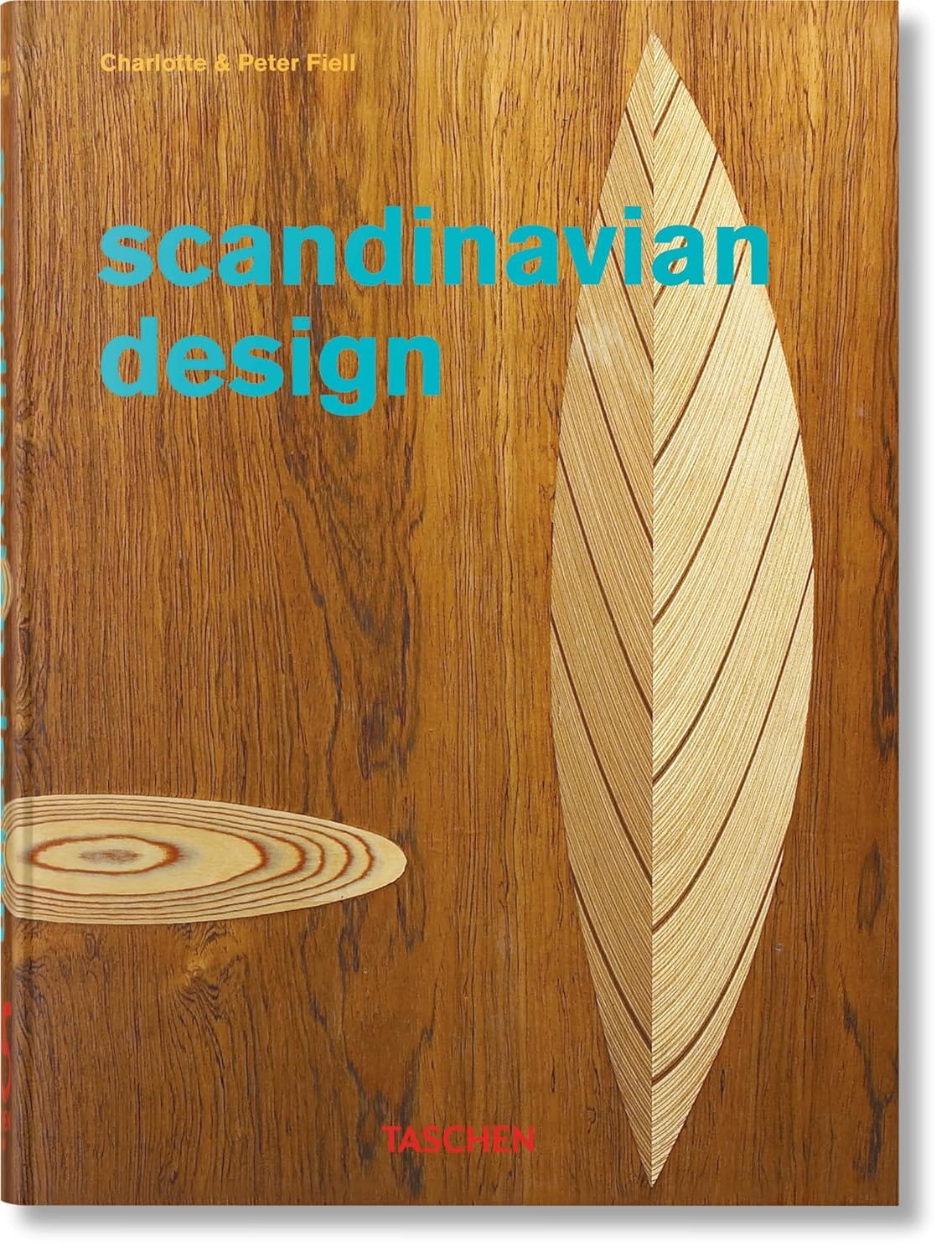
Scandinavian Design (TASCHEN, 45th edition, 2024) is 512 pages covering furniture, glass, ceramics, textiles, jewelry, metalware, and industrial design from 1900 to the present. Alvar Aalto, Arne Jacobsen, Hans Wegner, Bruno Mathsson, Marimekko, Iittala, all of it. Charlotte and Peter Fiell have written or edited over 70 design books; this is their most complete single-movement survey. The TASCHEN format means the reproduction quality is good enough to read material qualities off the page. At $65 and above, it is the pick for someone who wants the book to hold its own in a designed room.
Quick Decision Guide
- Best for the design student: Whitford, Bauhaus: gives the foundational arguments of modernism, not just its chronology; a design student who reads this understands why every MCM chair looks the way it does.
- Best for the furniture obsessive: Richardson, 100 Midcentury Chairs: 100 objects, each with the cultural context that earns its place; Eames, Jacobsen, Nakashima, Noguchi, and Wegner all present, none reduced to spec sheets.
- Best budget option: DK / Smithsonian, Design: The Definitive Visual History: under $50, covers every major movement from 1850 to parametric design, works as a reference not a decoration.
- Best premium / coffee table option: Fiell, Scandinavian Design (TASCHEN): 512 pages; the object itself makes an argument about what design books can be.
- Best for the art history reader: Forty, Objects of Desire: the most serious account of why consumer goods look the way they do; published in 1986 and still unmatched.
- Best Eames deep dive: Kirkham, Charles and Ray Eames: Designers of the Twentieth Century (MIT Press): the scholarly biography that treats the Eames office as a cultural force, not a licensing operation.
Full Comparison
| Book | Best For | Price Range | Key Distinction | Link |
|---|---|---|---|---|
| DK / Smithsonian, Design: The Definitive Visual History | Design Student | Mid-Range (~$35–$50) | Chronological survey from 1850 to present; working reference | Buy |
| Frank Whitford, Bauhaus | Design Student | Budget (~$22) | Internal argument of the school, not mythology | Buy |
| Lucy Ryder Richardson, 100 Midcentury Chairs | Furniture Obsessive | Mid-Range (~$35) | 100 objects with cultural context; 1930–1970 | Buy |
| Pat Kirkham, Charles and Ray Eames | Furniture Obsessive | Mid-Range to Premium (~$45–$60) | Scholarly biography; the Eames office as a design philosophy | Buy |
| Adrian Forty, Objects of Desire | Art History Reader | Budget (~$22–$28) | Design as ideology; why objects look the way they do | Buy |
| Jared Goss, Art Deco Style | Art History Reader | Mid-Range (~$30–$40) | Art Deco as cultural argument, not style catalog | Buy |
| Charlotte and Peter Fiell, Scandinavian Design | Coffee Table Collector | Premium (~$65+) | 512 pages; most complete Scandinavian survey in English | Buy |
| Frank Whitford, Bauhaus: Masters and Students by Themselves | Coffee Table Collector | Mid-Range (~$35–$45) | Primary sources: manifestos, letters, student work | Buy |
What the best design books for design lovers actually deliver — and who each one is for
The Design Student
Two books. One builds the conceptual frame; the other gives the full visual map. Together they answer the two questions a design student needs answered before they can have real opinions: where did this come from, and what was being argued?
Frank Whitford, Bauhaus (Thames & Hudson, 1984) — Budget, ~$22
Whitford’s gift is compression without distortion. The Bauhaus ran from 1919 to 1933: three cities (Weimar, then Dessau in 1925, then Berlin in 1932), three directors (Gropius, then Hannes Meyer, then Mies van der Rohe), and a steady political pressure from the German right that eventually closed the school in 1933. In fourteen years, it produced the foundational vocabulary of modern design education worldwide. Whitford covers all of this in a paperback that costs less than a semester’s worth of printer paper. What the book does particularly well is show why the school’s internal contradictions were productive: Paul Klee and László Moholy-Nagy were teaching in the same building and disagreeing about almost everything.
The drawback is the reproduction quality. This is a 1984 academic paperback, and the images show it. But for the argument, it is the right book at the right price.
Whitford doesn’t mythologize the Bauhaus. He explains it.
DK / Smithsonian, Design: The Definitive Visual History (DK, 2015) — Mid-Range, ~$35–$50
The DK survey earns its place because it is arranged chronologically rather than thematically. A design student who reads through Arts and Crafts into Art Nouveau into Art Deco into Bauhaus into mid-century modernism into postmodernism into digital design comes out understanding sequences and reactions: why each movement was a response to something the previous one got wrong. That is the thing most design education struggles to teach. The image reproduction is excellent; the text is accessible without being thin. It belongs on a working desk, not a coffee table.
Design books teach you what was made. Forty teaches you why it looked that way.
The Furniture Obsessive
The furniture obsessive already knows what the Eames Lounge Chair is. What they want is the argument behind it: what the Eameses were trying to solve, why the chair’s proportions are what they are, who was buying it and why in 1956. Both picks here go past the object to the design decision.
Lucy Ryder Richardson, 100 Midcentury Chairs and Their Stories (Gibbs Smith, 2017) — Mid-Range, ~$35
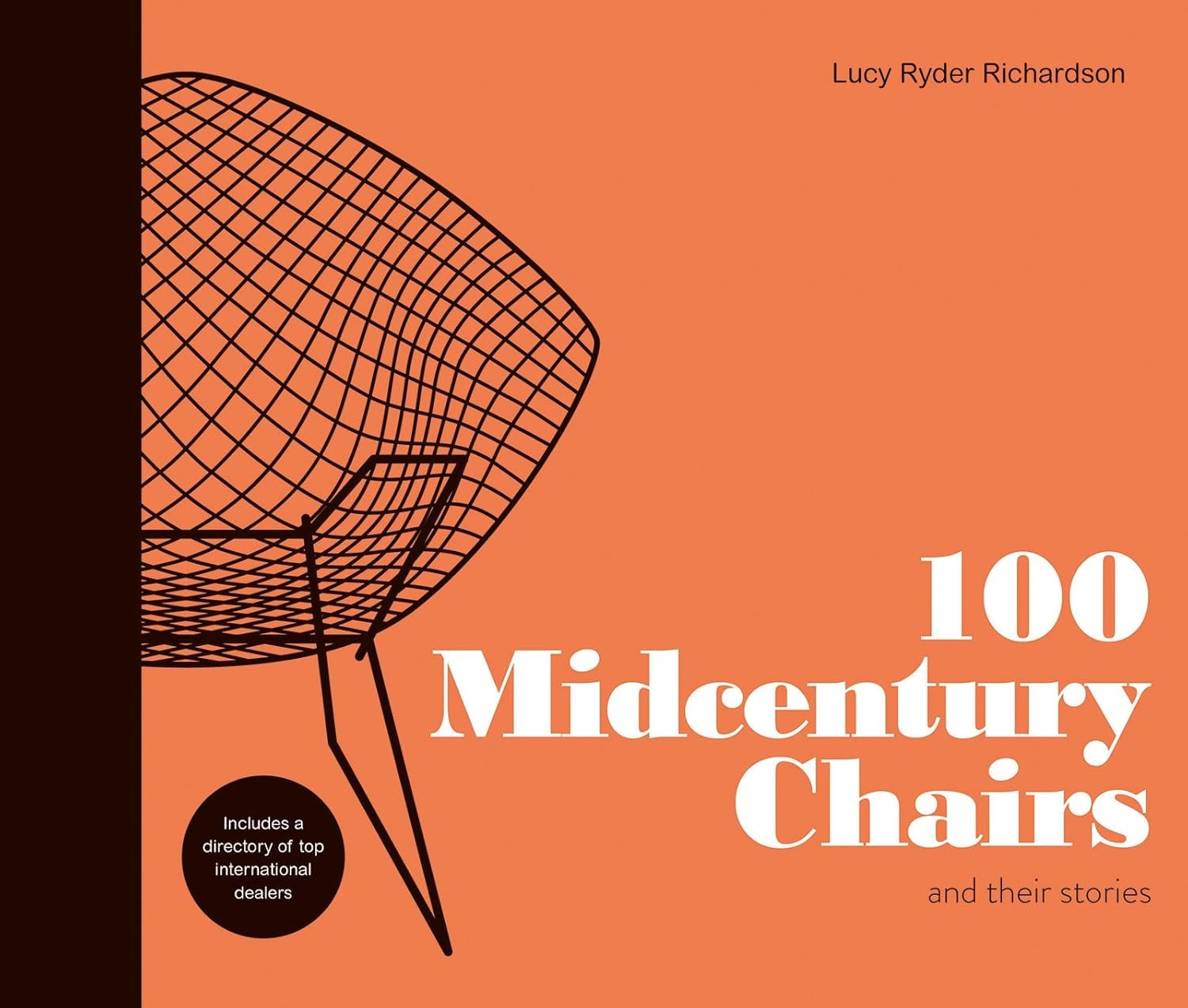
Richardson’s organizing idea is simple and correct: a chair is not a product, it is a position. Each of the 100 entries in this book, covering the years 1930 to 1970 and designers including Charles and Ray Eames, Arne Jacobsen, George Nakashima, Isamu Noguchi, and Hans Wegner, gets a brief account of why it was designed the way it was. The Eames plastic shell chair started as a fiberglass entry to MoMA’s 1950 “Low-Cost Furniture Design” competition. Jacobsen’s Egg chair (1958) was designed for the lobby of the SAS Royal Hotel in Copenhagen, a total design environment where Jacobsen controlled everything from the building to the ashtrays. Richardson knows these stories and tells them without padding.
The limitation is scope. 100 chairs across 40 years means some entries feel abbreviated. But for someone who already knows what midcentury furniture looks like and wants to know what it was for, this is the right entry point.
Pat Kirkham, Charles and Ray Eames: Designers of the Twentieth Century (MIT Press, 1995) — Mid-Range to Premium, ~$45–$60
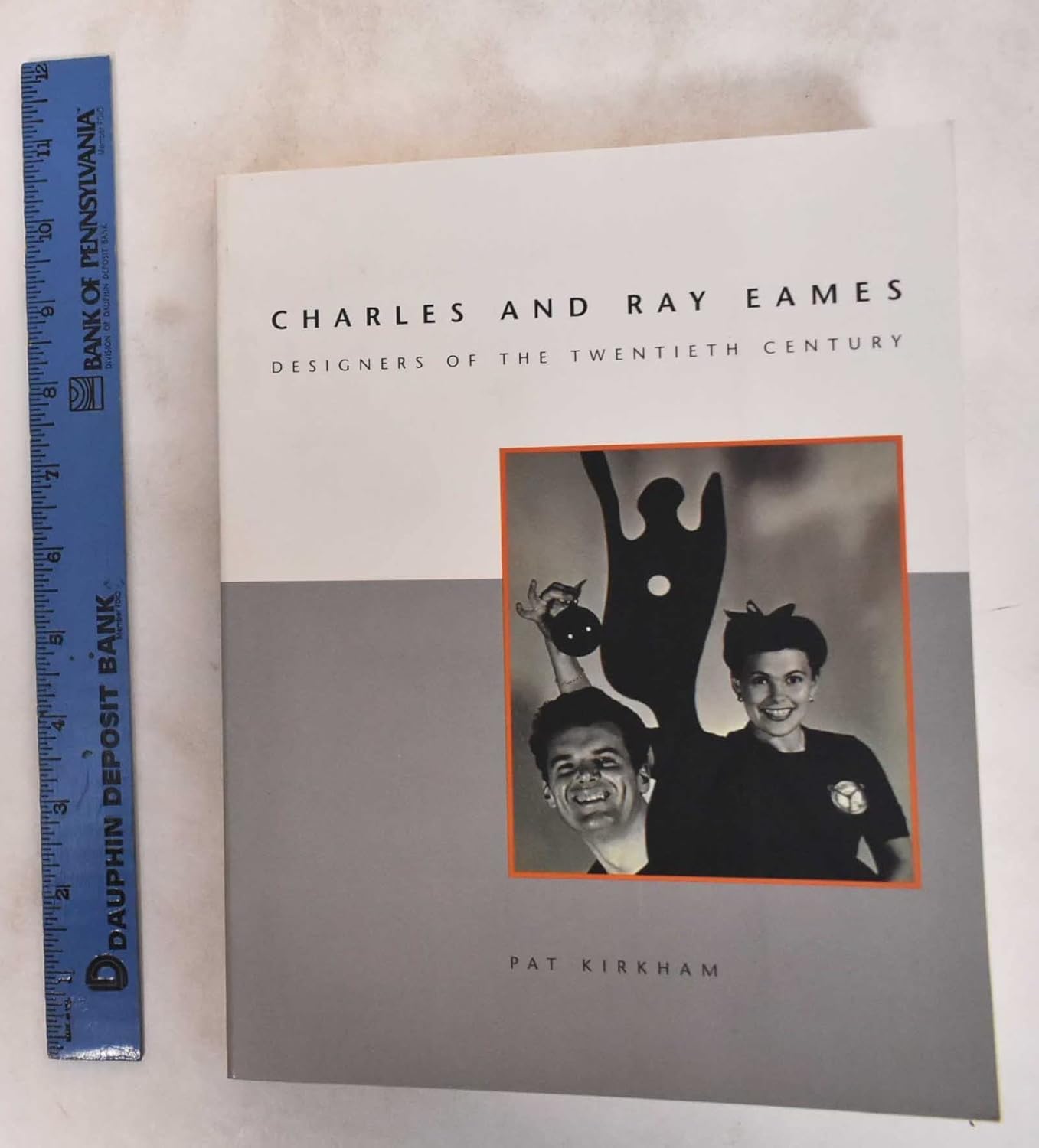
Kirkham’s MIT Press biography is not an Eames brand document. It is a scholarly account of how Charles (1907–1978) and Ray (née Kaiser, 1912–1988) built an office in Los Angeles at 901 Washington Blvd, Venice, that produced furniture, toys, buildings, films, exhibitions, and books, all from the same design philosophy. Kirkham asks why that philosophy looked the way it did: California modernism with a social conscience, influenced by Case Study House modernism (Arts & Architecture magazine ran the Case Study House program from 1945 to 1966, 36 prototype homes), and deeply skeptical of the East Coast establishment’s idea of what design was for.
The person who buys this book already thinks of the Eameses as designers rather than as a brand. What they cannot do is call it an ‘Eames chair’ and know what they mean. Kirkham gives them the apparatus to have that knowledge.
The Art History Reader
The art history reader wants design treated as a cultural event, not as an inventory of objects, and not as biography. Both picks here treat design as a practice that encodes ideology. The Forty is the foundational argument; the Goss is the specific case.
Adrian Forty, Objects of Desire: Design and Society Since 1750 (Thames & Hudson, 1986) — Budget, ~$22–$28
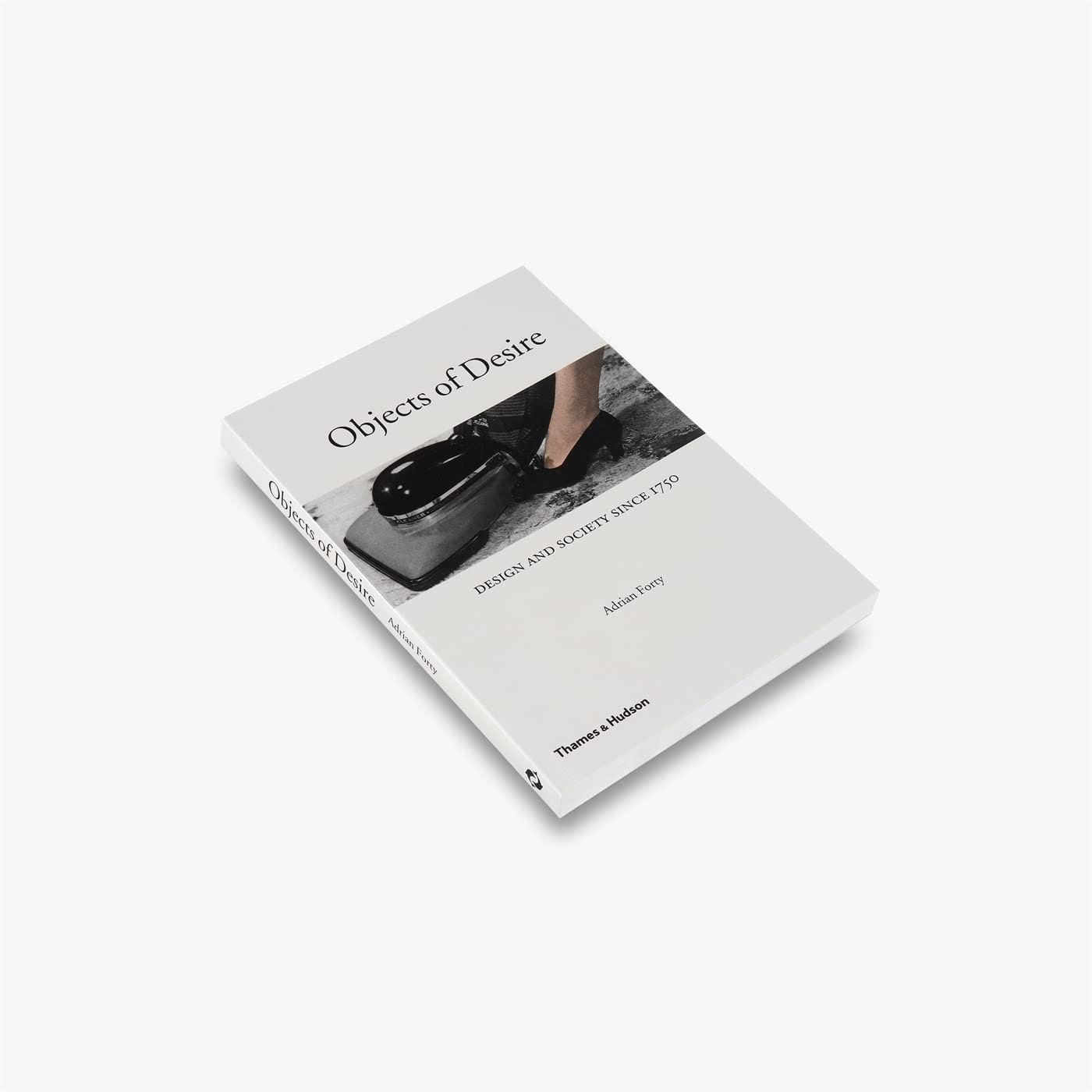
This is the most important book on this list and the least known outside design schools. Forty’s thesis, laid out in 1986 and never subsequently refuted, is that design is not neutral: it encodes social relations, gender ideology, class aspiration, and political organization. The look of a refrigerator from 1935 is not about refrigerators. It is about what the manufacturer needed buyers to believe about hygiene, modernity, and domestic labor. Forty works through furniture, textiles, trains, office equipment, and domestic appliances to show how this encoding works in practice.
The art history reader who owns this book understands something that the furniture obsessive, the design student, and the coffee table collector do not quite have access to: why the field of design history exists in the first place.
Jared Goss, Art Deco Style (Assouline, 2021) — Mid-Range, ~$30–$40
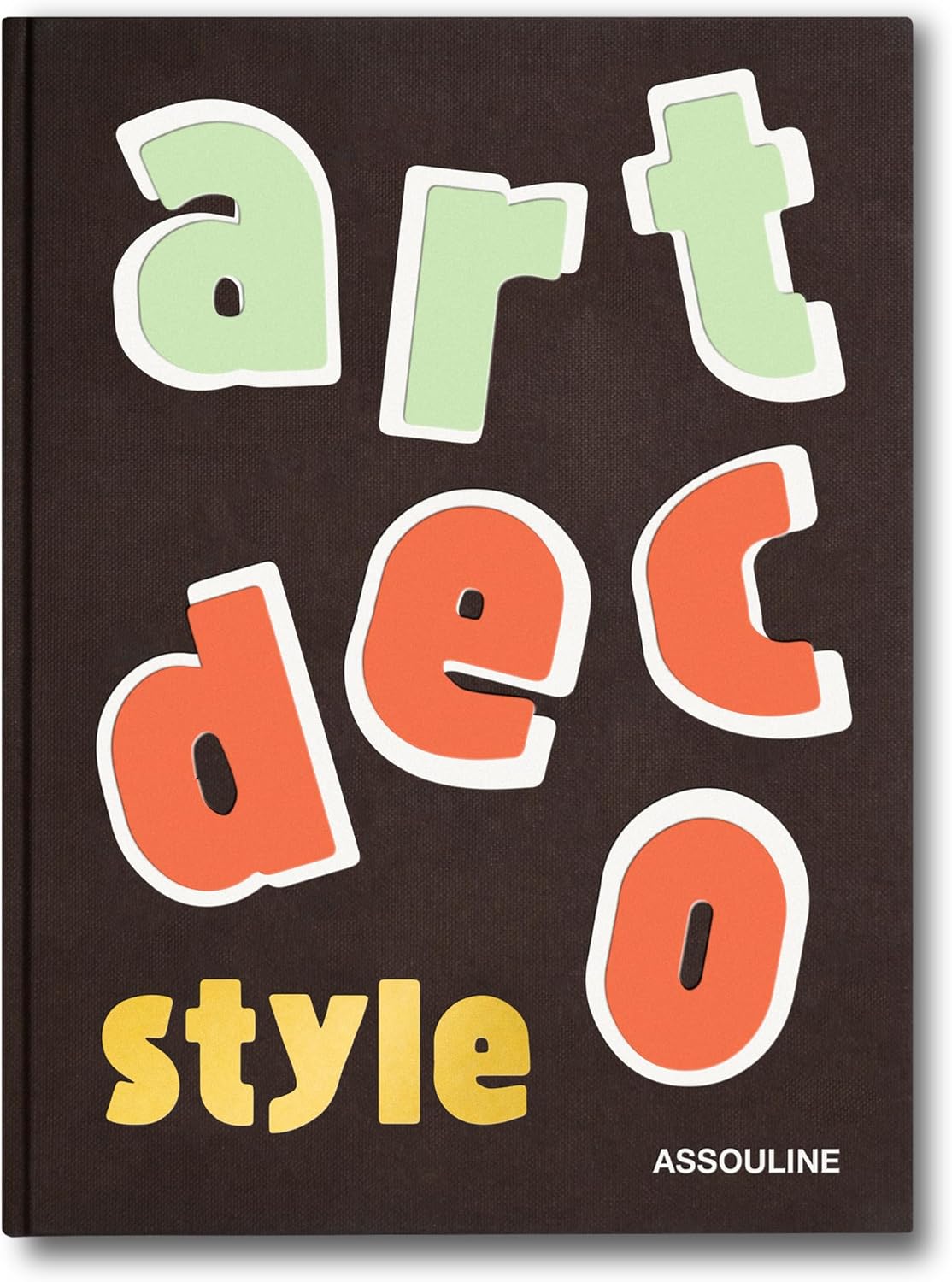
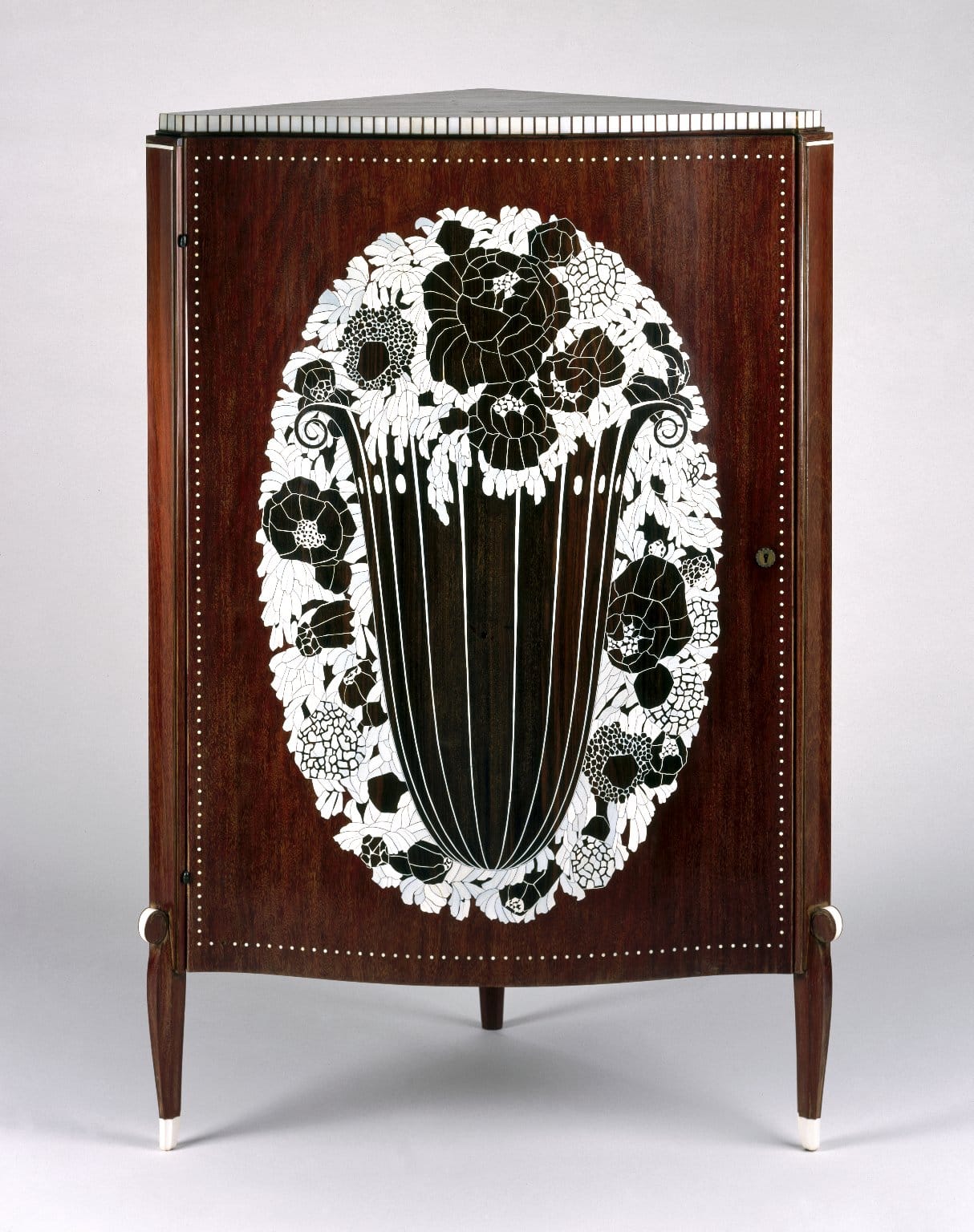
Goss is a curator at the Metropolitan Museum of Art, and this book comes from that institutional position. Art Deco as a style name derives from the 1925 Paris Exposition Internationale des Arts Décoratifs et Industriels Modernes, an exhibition that attempted to reconcile ornamental ambition with industrial production at a moment when the machine had already won. The key designers Goss covers include Émile-Jacques Ruhlmann in furniture, René Lalique in glass and jewelry, Eileen Gray in furniture and architecture, and Jean Dunand in lacquerwork. All of them were working through the same problem: how do you make a luxury object in a world where the factory can make everything?
Goss gives Art Deco its intellectual due without sentimentality. This is not a style bible. Goss reads Ruhlmann’s cabinets, Lalique’s car mascots, and Dunand’s lacquered panels as answers to specific design problems of the interwar years, not as period decoration.
The Coffee Table Collector
The coffee table collector wants two things: large format and defensible content. A book that is large because it has something to show at that scale, not because the publisher needed to justify the price. Both picks here have that.
Charlotte and Peter Fiell, Scandinavian Design (TASCHEN, 45th Edition, 2024) — Premium, ~$65+
The TASCHEN Scandinavian Design survey covers the full range: furniture, glass, ceramics, textiles, jewelry, metalware, industrial design, from 1900 to the present. Alvar Aalto, Arne Jacobsen, Hans Wegner, Bruno Mathsson, Marimekko, Iittala. The designers and manufacturers that built the Scandinavian democratic design ideal are all here, with reproduction quality high enough to read material characteristics off the page. The Fiells have been building this survey for decades; the 2024 45th edition reflects the accumulated research. At 512 pages, it earns the real estate it occupies.
The Svensk Form tradition (Sweden’s design society, established in 1845 as the Swedish Society of Crafts and Design) promoted the ideal of “beautiful everyday objects for everyone.” The Fiell survey is the most complete account of how that ideal was pursued across a century and a region.
Frank Whitford, Bauhaus: Masters and Students by Themselves (Overlook Press, 1992) — Mid-Range, ~$35–$45

Bauhaus: Masters and Students by Themselves is a primary source anthology: manifestos, letters, student work accounts, faculty statements, and documentation of the school’s internal debates. Where Whitford’s Bauhaus (Thames & Hudson) synthesizes, this companion volume shows. The Bauhaus diaspora that shaped American design education is documented here in the voices of the people who made it: Gropius to Harvard GSD, Mies van der Rohe to IIT Chicago, Moholy-Nagy to the New Bauhaus in Chicago in 1937 (later the IIT Institute of Design). For the coffee table collector who wants a book that is an object and rewards slow reading, this is the more interesting Bauhaus volume.
Why these books still matter when everything is a screen
Every book on this list was written before design became something you do on a screen. That is not a limitation; it is a qualification. Whitford writing about the Bauhaus in 1984 was working from the same archival and object-based methodology that Forty used to write Objects of Desire in 1986 and Kirkham used to write the Eames biography in 1995. The arguments they make, about what design is for, what it encodes, what problems it was trying to solve, are not dependent on having the right software.
What design books give you that a screen does not is sequence and forced proximity. You read Whitford on Klee and Kandinsky teaching in the same building and you understand something about the Bauhaus you could not get from browsing a Wikipedia list of faculty. You read Forty on refrigerator design in 1935 and you understand something about all product design that a Pinterest board of midcentury interiors will never show you. The books on this list are arguments. Arguments require sustained attention. That is what they were built for.
Frequently Asked Questions
What is the best design book for someone who knows nothing about design history?
Start with the DK / Smithsonian Design: The Definitive Visual History. It covers every major movement from the Arts and Crafts movement (1880s) to contemporary digital design, organized chronologically so the connections between movements are visible. The image quality is high enough to work as a visual education on its own. After that, read Whitford’s Bauhaus to understand where the most consequential arguments of the twentieth century came from.
Are design books worth buying as gifts for people who aren’t designers?
Yes, with the right selection. The books most likely to work for a non-designer are the ones that treat design as a cultural event rather than a professional discipline. Adrian Forty’s Objects of Desire explains why everyday consumer goods look the way they do, which is a question anyone who has ever bought furniture can relate to. The Fiell Scandinavian Design works for someone who appreciates well-made visual books without needing design training to read them.
What design books does every furniture obsessive actually need?
Two: Lucy Ryder Richardson’s 100 Midcentury Chairs and Their Stories for the object-level accounts, and Pat Kirkham’s Charles and Ray Eames: Designers of the Twentieth Century (MIT Press) for the deeper account of how design philosophy translates into specific objects. The Kirkham biography is the antidote to hagiography. It treats the Eameses as designers who made specific decisions for specific reasons, not as a lifestyle brand.
How do I choose between a Bauhaus book and a broader design history survey?
They answer different questions. Whitford’s Bauhaus tells you what the school was arguing from the inside: the faculty disagreements, the ideological pressures, the relationship between workshop practice and pedagogical theory. The DK survey tells you where the Bauhaus sits in the broader sequence of design history, which movements preceded it and which followed from it. If you only buy one: start with the Bauhaus book if you have specific interest in modernism; start with the DK survey if you want the whole map first.
Are any design books good enough to keep on a coffee table?
The TASCHEN Scandinavian Design is the best choice for a coffee table: 512 pages, high-quality reproduction, comprehensive enough to reward browsing over months. Whitford’s Bauhaus: Masters and Students by Themselves works as a coffee table book that also rewards slow reading. Both are defensible objects in a designed room.
Is the TASCHEN Scandinavian Design book worth the price?
At $65 and above, yes, if the recipient actually cares about Scandinavian design. The TASCHEN format means production quality that justifies the price: the paper weight, the color reproduction, the binding. Charlotte and Peter Fiell’s 45th edition survey covers design from 1900 to the present across furniture, glass, ceramics, textiles, jewelry, metalware, and industrial design. It is the most complete treatment of the subject available in English. If the recipient would not distinguish Alvar Aalto from Arne Jacobsen, buy the DK survey instead.
For the broader survey of designers and movements covered by these books, see the Design Legends hub. For further reading in adjacent disciplines, see guides on how to cultivate creativity and the evolution of modern industrial design.

About Joe Post
Joe Post holds an MFA in Art from California Institute of the Arts (CalArts) and has done additional graduate work at the School of the Art Institute of Chicago. He founded Art Design Ideas to write about design as cultural argument — the decisions, contradictions, and assumptions built into the objects we live with.