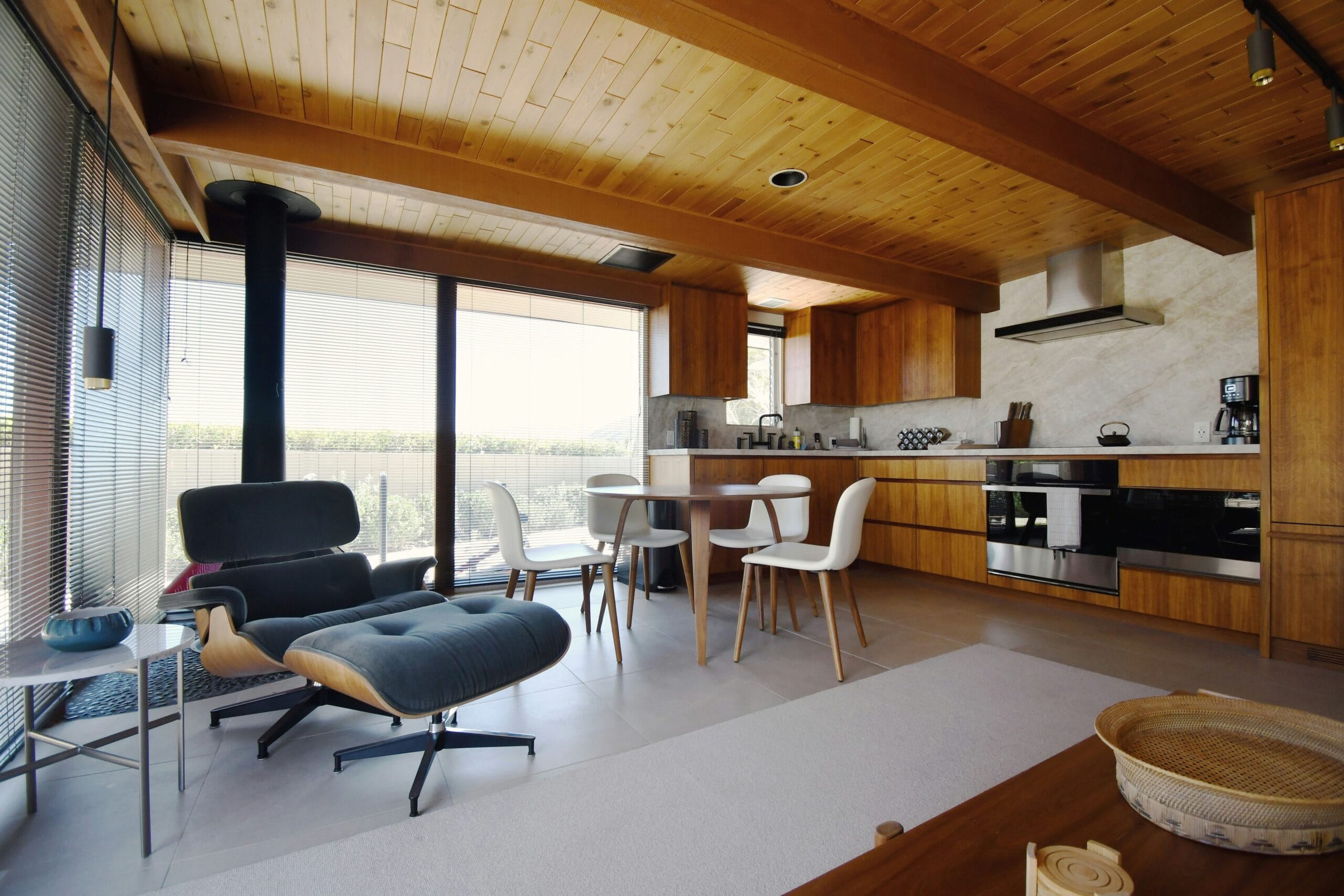
This Eames Lounge Chair review covers the Herman Miller 670/671: what the authorized chair delivers, where it falls short, and whether the price is justified. Charles and Ray Eames designed it in 1956. It has been in continuous production since and copied more than almost any other chair.
The problem the Eames Lounge Chair was trying to solve
Charles Eames described what he wanted from the 670 as “the warm, receptive look of a well-used first baseman’s mitt.” Ray Eames called it “comfortable and un-designy.” Those two descriptions are more useful than most of what’s been written about the chair since, because they tell you what the design office was actually arguing against.
The Eameses had spent the previous decade working out how to mass-produce plywood-formed furniture. They were committed, publicly and practically, to the idea that good design should be available to people. The 1946 plywood chairs, the fiberglass shells, the molded plastic chairs were democratic objects. The 670 is not a democratic object. It retails for $5,000 to $6,500 from Herman Miller, depending on finish and configuration. That price point has existed, in inflation-adjusted form, since 1956.
The contradiction is real, and this review doesn’t pretend otherwise. What the Eameses were solving for was a different kind of problem: not access, but quality of experience. The lounge chair was a specific commission, a gift for the film director Billy Wilder, designed with Wilder’s comfort in mind. The “un-designy” instruction was a response to a particular kind of postwar luxury furniture that tried to look designed, that announced itself through unusual shapes and expensive materials deployed as display. The Eameses wanted a chair that looked as if it had always been there.
The chair made its first public appearance in 1956 on Arlene Francis’s daytime NBC program Home, the first time a designed object had been presented this way on mass television. By 1960 it was in the MoMA permanent collection, a gift from Herman Miller. By 1962 the Eameses were taking out full-page newspaper advertisements warning consumers about counterfeits. Wikipedia’s account of the chair describes it as one of the most counterfeited pieces of modernist furniture ever produced. That’s the context for a review of the authorized version: this chair has been contested since the year it was introduced.
Herman Miller and Vitra are the only manufacturers authorized to use the Eames name on this chair. Herman Miller serves North America; Vitra serves Europe and the Middle East.
What the Eames Lounge Chair gets right that reproductions miss
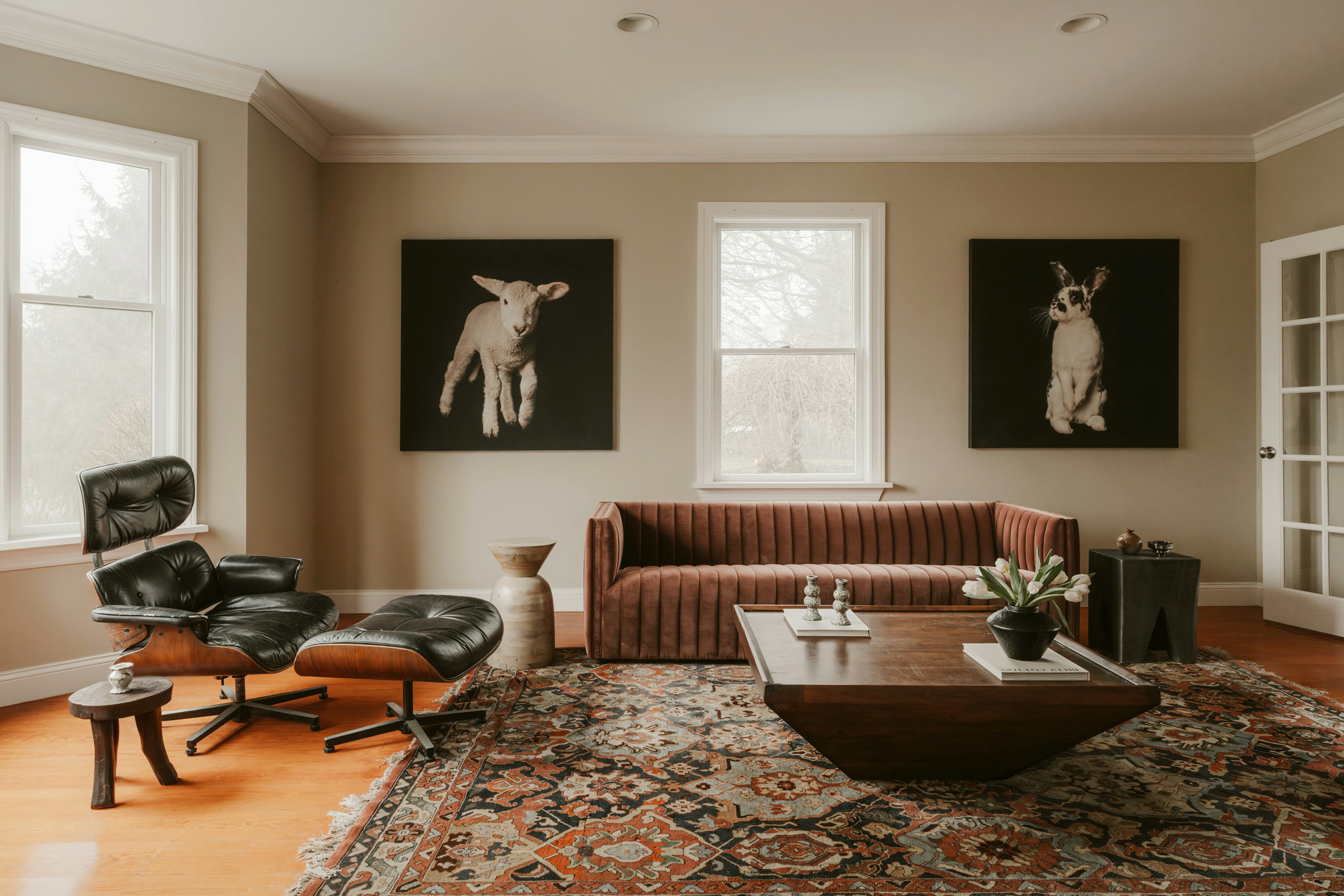
The original construction was five layers of plywood with Brazilian rosewood veneer and leather cushions on an aluminum base. In the early 1990s, as Brazilian rosewood became scarce and responsible sourcing became untenable, Herman Miller shifted to seven-ply construction with walnut, cherry, or sustainably grown palisander veneer as standard options. The XL version was introduced in 2008, added by both Herman Miller and Vitra to address the fact that the standard 670 seat dimensions run compact for many contemporary body types.
The veneered plywood shell is the part that reproductions consistently get wrong, and it matters more than the surface appearance suggests. The ply count and the direction of each layer determine how the shell flexes. When you sit in the authorized chair, the shell distributes load in a way that feels like the chair is giving slightly, meeting you rather than resisting you. Reproduction shells are typically stamped plastic or fiberglass that approximate the shape. They don’t flex the same way, so the seating experience is different even before you register the difference in materials.
The authorized chair weighs approximately 55 lbs. Reproductions are almost always lighter. The weight of the original is not a flaw or a manufacturing inefficiency. It anchors the chair to the floor and prevents the slight instability that makes a lounge chair feel precarious when you shift position. The feel of planting yourself in the chair and having it stay is part of what the chair does.
Current upholstery options from Herman Miller include leather, mohair, and bamboo. Herman Miller states the bamboo option reduces material carbon footprint by up to 35% relative to leather.
An honest note on comfort: the 670 is comfortable for 30 to 60 minute sessions. The seat angle tilts slightly backward in a way that works well for reading or conversation, but creates lower back pressure over extended sitting. It is not an office chair. You spend an hour in it, then get up. Anyone selling you a reproduction as a work-from-home solution is not telling you the whole story, and neither is anyone selling you the original for that purpose.
Eames Lounge Chair review verdict: is the price worth it?
The new Herman Miller 670/671 retails for approximately $5,000 to $6,500 depending on configuration, veneer, and upholstery. Vitra prices are comparable. These figures should be confirmed against current Herman Miller pricing before purchase, as configurations vary.
Rating: 4.5 out of 5.
What earns the 4.5: the authorized chair delivers on the specific promise of what it was designed to be. The materials, the flexing shell, the weight, the fit between cushion and frame constitute a specific designed experience that decades of reproduction attempts have not replicated. If you buy the authorized chair expecting it to do what it was designed to do, it does it. The construction is sound enough that well-maintained examples from the 1960s and 1970s are still in daily use.
What costs the 0.5: the seat dimensions are compact for many people. The XL version addresses this but not everyone knows to ask for it, and the price differential is not trivial. The backward seat angle is a real ergonomic limitation at this price point. A $5,000-plus chair that is not suited for long sitting is a trade-off that deserves to be stated plainly.
Who should buy it: someone who wants the designed object itself, the weight, the specific material compliance, the veneer, and is buying it as a permanent piece. Not for someone who primarily wants the look.
If the Herman Miller price is out of reach, buy a licensed chair secondhand. Chairs from the 1970s and 1980s turn up regularly on 1stDibs, Chairish and at auction, often for less than half of new, and the parts that wear can be replaced. The guide to identifying an authentic Eames Lounge Chair lists what to check.
Where to Buy
The Herman Miller Eames Lounge Chair and Ottoman is sold directly through Herman Miller and authorized dealers. Herman Miller does not sell the 670/671 on Amazon. What appears in Amazon search results for this chair is reproductions only.
The authorized chair: hermanmiller.com/products/seating/lounge-seating/eames-lounge-chair-and-ottoman/ — no affiliate link; listed as a direct reference.
Secondhand: Licensed Herman Miller chairs are the better value below list price. See the guide to identifying an authentic Eames Lounge Chair before you buy.
Further Reading
Daniel Ostroff (ed.), An Eames Anthology (Yale University Press, 2015): amazon.com/dp/0300203454?tag=artdesignideas-20
Primary sources: the Eameses’ own writing, interviews, and design notes. If you want to understand what they thought they were making, including the lounge chair development, this is the record. The first-baseman’s-mitt description is in here, in context, alongside the rest of how they talked about their work.
Eames Demetrios, Eames: Beautiful Details (Ammo Books, 2014): amazon.com/dp/1623260310?tag=artdesignideas-20
A close-up photographic study of construction details across Eames projects. The veneer grain, the leather edges, the joint transitions: the physical evidence of what distinguishes the authorized object from a reproduction. Useful before any significant purchase decision.
Frequently Asked Questions
Is the Eames Lounge Chair comfortable?
Yes, for sessions up to 30 to 60 minutes. The seat angle is optimized for reading and relaxed conversation. It is not suited for extended desk work. The backward tilt creates lower back pressure over time. It is a lounge chair, not an ergonomic office chair, and should be evaluated as one.
What is the difference between a Herman Miller Eames Lounge Chair and a reproduction?
The authorized Herman Miller chair uses a seven-layer veneered plywood shell that flexes to distribute load. Reproduction shells are typically stamped plastic or fiberglass that approximate the shape without the compliance. The authorized chair weighs approximately 55 lbs; reproductions are usually lighter. The visual difference between a reproduction and the original diminishes at distance. Up close, the material and fit differences are apparent.
Why is the Eames Lounge Chair so expensive?
The authorized Herman Miller price reflects the veneer plywood shell construction, the leather or mohair upholstery, and the cost of authorized Eames licensing. Herman Miller has maintained continuous production since 1956. The design has not been simplified to reduce cost. For buyers where the Herman Miller price is not viable, a secondhand licensed chair is the better route; see identifying an authentic Eames Lounge Chair.
How long does an Eames Lounge Chair last?
Examples from the 1960s are still in daily use. The construction is durable under normal conditions. The leather cushions require standard leather maintenance, conditioning every one to two years. The veneer shell is not fragile but should not be exposed to significant moisture or direct sustained heat. Cushion covers are replaceable through Herman Miller.
Is the Eames Lounge Chair good for your back?
For short sessions, most people find it comfortable. The seat angle and back support are designed for relaxed sitting, not prolonged upright work. People with lower back sensitivity who need extended lumbar support will find the standard 670 limiting. The XL version provides a larger seat platform, which helps some users. It is not recommended as a primary work chair.
What does the Eames Lounge Chair weigh?
Approximately 55 lbs for the authorized Herman Miller version. The ottoman adds additional weight. Reproductions are typically lighter. The weight difference is a function of the plywood shell construction in the authorized version versus the stamped shells used in reproductions.
For the broader context of this work, see the Iconic Furniture Design hub — a survey of the chairs and objects that defined twentieth-century design.

About Zoe Post
Zoe Post holds a BFA and a Master of Architecture from the School of the Art Institute of Chicago. She now works as a product marketing leader at an architectural product design firm, bringing hands-on industry perspective to everything she writes. At ADI she covers contemporary artists, textile and pattern design, and the design objects that sit at the boundary of art and function.